Into the Mystic
A microphone, a sharp suit, and that unmistakable Belfast voice rising out of a rhythm and blues storm — Van Morrison turned raw feeling into some of radio’s most enduring records.
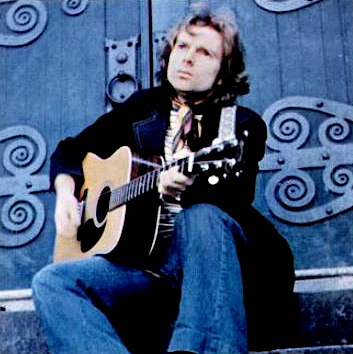
Few artists have sounded so instantly recognisable, or so impossible to imitate, as Van Morrison. One line, one half-growled phrase, one sudden leap into a soulful cry, and you know exactly who it is. Across decades of recording, he has moved through rock, rhythm and blues, folk, jazz, gospel and Celtic influences with a restless spirit, creating a body of work that feels both deeply personal and made for late-night radio, open-road drives, and those quiet moments when a song seems to understand you better than words can.
From Belfast streets to the first spark of rhythm and blues
Born George Ivan Morrison in Belfast, Northern Ireland, in 1945, Van Morrison grew up in a home filled with music. That mattered enormously. His father had a remarkable record collection, packed with blues, jazz, gospel and early rock and roll imports from America. For a young boy in post-war Belfast, those records were a doorway to another world. You can hear that education in everything Morrison later recorded: the raw emotion of blues, the swing of jazz phrasing, the spiritual lift of gospel, and the earthy directness of rhythm and blues.
He was drawn to music early and seriously. As a teenager, he learned guitar, saxophone and harmonica, and began performing in local groups while still very young. Belfast in those years had a lively dance-band and club scene, and Morrison sharpened his skills the old-fashioned way: by playing live, often, and in front of audiences who expected energy and conviction. It was not a polished, manufactured beginning. It was practical, noisy, and full of hard-earned lessons.
Before long, he joined a band called Them, and that changed everything. With Morrison as lead singer, Them developed a fierce, gritty sound that stood apart from cleaner pop acts of the day. They blended garage rock urgency with American R&B influences, and Morrison’s voice gave the group its edge. It was rough, soulful, unpredictable, and impossible to ignore.
The breakthrough that made everyone listen
Them’s biggest moment came with “Gloria”, a song that became one of the defining rock records of the 1960s. Built on a simple, driving structure and Morrison’s swaggering vocal, it turned into a garage-band rite of passage. Countless groups would go on to cover it, but the original still has that thrilling sense of danger and momentum. It announced Morrison as a singer with real presence, someone who could make a performance feel half spontaneous explosion, half spell.
Yet his solo career is where the fuller picture of Van Morrison really emerges. After leaving Them, he recorded “Brown Eyed Girl” in 1967, and that song became his first major solo hit. Bright, catchy and full of youthful memory, it remains one of the most played songs of the classic hits era. For many listeners, it is the gateway to his catalogue: warm, immediate, and impossible not to sing along with.
But Morrison was never content to stay in one place. If “Brown Eyed Girl” showed his gift for direct pop appeal, the albums that followed revealed a far more adventurous artist. In 1968 he released Astral Weeks, now widely regarded as one of the greatest albums ever made. At the time, it was not a huge commercial smash, but its reputation grew and grew. Dreamlike, poetic and musically fluid, it sounded unlike almost anything else around. Morrison seemed less interested in writing tidy pop songs than in chasing feeling, memory and atmosphere.
Then came Moondance in 1970, and with it, one of the great career-defining moments in popular music. If Astral Weeks was mystical and searching, Moondance was more accessible without losing depth. It gave audiences songs such as “Moondance”, “Into the Mystic”, “Crazy Love” and “Caravan”—tracks that have become permanent fixtures in the classic songbook.
The songs that never seem to fade
Van Morrison’s catalogue is full of songs that feel lived in. They do not simply play; they arrive with mood, texture and memory attached. A few stand especially tall.
- “Brown Eyed Girl” – The joyous early classic, still one of radio’s most beloved singalong records.
- “Moondance” – Cool, romantic and rhythmically elegant, with a jazz-club glow that makes it timeless.
- “Into the Mystic” – Spiritual, tender and quietly powerful, often described as one of his most moving performances.
- “Crazy Love” – A gentle, intimate song that shows how much emotion Morrison could deliver without ever oversinging.
- “Domino” – Buoyant and full of life, with a celebratory energy that sounds built for radio.
- “Wild Night” – Urgent, bright and joyful, capturing the rush of youth and city lights.
- “Jackie Wilson Said (I’m in Heaven When You Smile)” – A loving nod to soul music, driven by admiration and uplift.
- “Have I Told You Lately” – A later-era standard that became a favourite at weddings, concerts and dedications worldwide.
What is striking is how varied these songs are. Some are punchy and radio-friendly. Others drift, sway or meditate. Yet they all bear Morrison’s signature: a voice that can sound urgent one moment, reflective the next, and a songwriter’s instinct for turning memory into something universal.
A singer guided by feel, not fashion
Trying to place Van Morrison in a single category has always been difficult, and that is part of his appeal. He has drawn from blues shouters, jazz stylists, folk storytellers, soul singers and spiritual music, then folded those influences into something unmistakably his own. His records often feel as if they are being discovered in the moment rather than mechanically assembled.
His vocal style is central to that magic. Morrison does not just sing melodies; he bends them, pushes them, talks through them, shouts through them, and sometimes seems to chase them down the street. He uses repetition like a jazz improviser, returning to a phrase until it opens up emotionally. That can make even a simple line feel charged with meaning.
There is also a strong sense of place in his music. Belfast, memory, childhood streets, church sounds, late-night city energy, country roads, waterfronts, and visions of escape all run through his work. He has often written songs that feel like recollections seen through mist or sunlight, where exact details matter less than the emotional truth of the scene.
“It’s not about formulas with Van Morrison. It’s about atmosphere, instinct and the feeling that the song is alive while you are hearing it.”
That quality helped him stand apart from trend-driven eras. While musical fashions changed around him, Morrison kept following his own instincts. Sometimes that made him elusive, even difficult to pin down, but it also protected the music from sounding tied to one passing moment.
Stories, myths and the man behind the voice
Van Morrison has long had a reputation as one of popular music’s more private and unpredictable figures. He is not an artist who has always chased celebrity charm or easy media narratives. In a strange way, that reserve has added to his mystique. The songs often reveal more than the interviews do.
One of the most repeated stories in his career involves “Brown Eyed Girl”, a song so sunny and carefree that many listeners assume it must have brought him uncomplicated pleasure. In reality, Morrison’s relationship with some of his best-known work has been more complicated, shaped by business frustrations and the pressures that come with having a signature hit. It is a reminder that artists do not always experience their most famous songs the way audiences do.
Another fascinating part of the Morrison story is his devotion to musical heroes. He has often paid tribute to the American soul, blues and jazz artists who shaped him, and you can hear that gratitude in songs like “Jackie Wilson Said.” He was never simply borrowing styles; he was carrying on a conversation with the records that first lit the fuse in his imagination.
And then there is the famous sense of spontaneity in his performances. Morrison at his best can sound as if he is following the song wherever it wants to go, stretching a line, leaning into a horn phrase, or suddenly turning a familiar track into something more searching. That unpredictability has always been part of the attraction for devoted fans.
Why his influence runs so deep
Van Morrison’s influence reaches far beyond his own recordings. Generations of singers and songwriters have borrowed from his emotional directness, his genre-blending freedom, and his way of making songs feel intimate even when they are expansive. Artists working in rock, folk, Americana, soul and singer-songwriter traditions have all found something to learn from him.
Part of that influence comes from his refusal to separate craft from feeling. Morrison’s songs can be musically sophisticated, but they rarely feel academic. They breathe. They move. They leave room for imperfection, and that often makes them more human. In an age when so much music can feel overworked, his best recordings still sound wonderfully alive.
Albums such as Astral Weeks and Moondance remain touchstones because they offer two different but equally compelling versions of artistic success: one deeply inward and exploratory, the other polished enough for broad popularity without losing soul. Few artists manage both.
Why classic hits radio still has room for Van Morrison
For classic hits radio listeners, Van Morrison matters because his songs do more than trigger nostalgia. They create atmosphere. Put on “Moondance” and the room changes. Play “Brown Eyed Girl” and people smile before the chorus even arrives. Spin “Into the Mystic” and suddenly the day slows down a little. That is a rare gift.
He also represents something essential about the classic hits era: the idea that great popular music could be catchy, adventurous, soulful and enduring all at once. Morrison’s best work rewards casual listeners and deep fans alike. You can enjoy the melody on first listen, then spend years discovering the layers underneath.
For radio, that is gold. These are songs that connect across generations. Older listeners remember where they first heard them. Younger listeners discover that they still sound fresh. And because Morrison drew from such a rich mix of styles, his music sits comfortably beside rock, soul, folk-pop and singer-songwriter classics.
That is why his catalogue continues to feel at home on the airwaves. It carries memory, but it also carries movement. It can brighten a morning, deepen an evening, or turn an ordinary drive into something cinematic.
The lasting spell
Van Morrison’s career has never been about neat packaging. It has been about instinct, voice, mood and the search for something just beyond the obvious. That search gave us garage-rock fire with Them, pop immortality with “Brown Eyed Girl,” transcendent album-making on Astral Weeks and Moondance, and a long run of songs that continue to live vividly on radio.
For listeners, his music offers a little bit of everything: joy, romance, reflection, grit, mystery and lift. For fellow musicians, it remains a masterclass in following your own path. And for classic hits radio, Van Morrison is one of those artists who can stop a listener in their tracks with a single phrase.
That voice still cuts through. The feeling is still there. And when one of his great records comes on, it does what the very best radio moments always do: it makes time stand still for three or four minutes, then sends you back into the world changed ever so slightly.