Turn It Up: Van Halen
Van Halen burst out of Southern California with a fearless mix of dazzling musicianship, huge hooks, and pure good-time energy. Their catalogue still gives classic hits radio that perfect charge of excitement, nostalgia, and rock-star spark.
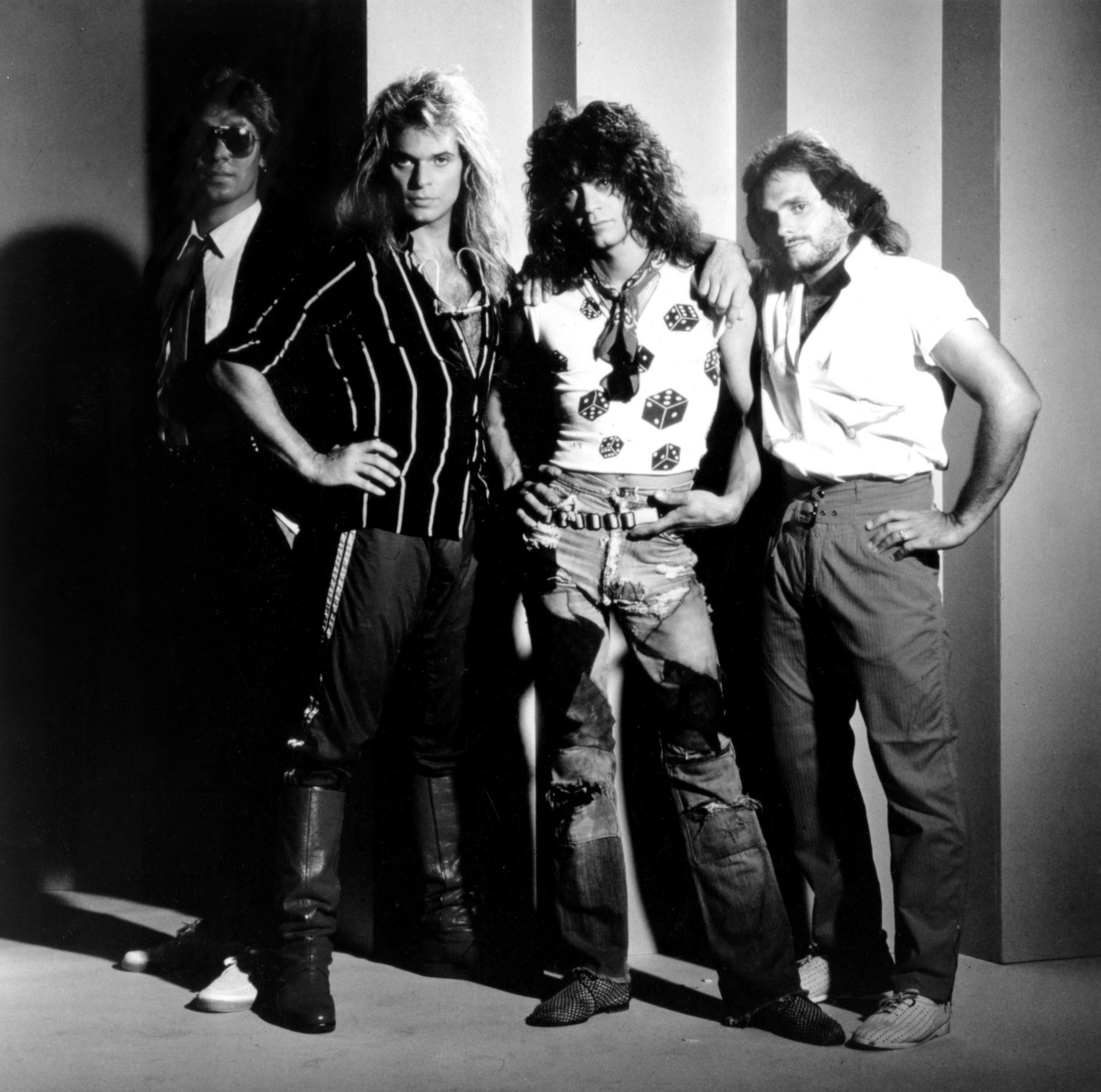
Few bands arrived with the kind of jolt Van Halen delivered. They did not simply join the hard rock conversation in the late 1970s; they kicked the door open with a grin, a stack of riffs, and a sense that virtuosity could still be fun. Loud, flashy, playful, and astonishingly tight, Van Halen turned technical brilliance into party music and made arenas feel like neighbourhood block parties with amplifiers the size of buildings.
For classic hits radio listeners, that is a big part of the appeal even now. A Van Halen record can sound explosive and polished at the same time. There is swagger in the grooves, but also craft: hooks that stick, choruses that lift, and guitar parts that still make people stop what they are doing and ask, how did he do that? Behind the volume was a remarkable family story, a restless work ethic, and a band chemistry that could be as combustible as it was magical.
From Amsterdam to California garages
At the heart of Van Halen were two brothers, Alex and Eddie Van Halen, born in the Netherlands to a musical family. Their father, Jan Van Halen, was a jazz musician and clarinettist, and music was part of home life from the beginning. When the family moved to Pasadena, California, in the 1960s, the brothers carried that musical grounding into a very different world: Southern California youth culture, backyard parties, school bands, and the booming rock scene of the era.
Both boys studied piano as children, which is one of those details that becomes even more interesting later. Eddie, who would become one of rock’s most celebrated guitarists, had a deep musical ear long before he became a guitar hero. In fact, there is a famous twist in the story: Eddie originally played drums and Alex played guitar. Then they switched. It turned out to be one of the great trades in rock history.
As teenagers, the brothers began playing together in local groups, absorbing influences from British invasion bands, blues rock, heavy riffs, and the theatrical side of live performance. Singer David Lee Roth entered the picture with charisma to spare, a flair for showmanship, and an instinct for turning a club set into an event. Bassist Michael Anthony completed the classic line-up, bringing steady musicianship and those instantly recognisable high harmonies that became a crucial part of the band’s sound.
Before the record deals and packed arenas, Van Halen built their reputation the old-fashioned way: by playing anywhere they could. Backyard parties, clubs, and local gigs became their proving ground. They were known not only for being loud and exciting, but for sounding exceptionally good live. That mattered. Plenty of bands could create chaos; Van Halen could create lift-off.
The breakthrough that changed rock guitar
When Van Halen released their self-titled debut album in 1978, rock listeners knew almost immediately that something had shifted. The album was packed with energy, but it was also disciplined and sharp. It introduced a band that could move from brute force to wit in seconds, and it unveiled Eddie Van Halen as a once-in-a-generation player.
The track that became a cultural shockwave was Eruption, Eddie’s brief but revolutionary guitar showcase. It was not a conventional song so much as a statement of possibility. His two-handed tapping technique, fluid phrasing, and command of tone inspired countless players to pick up a guitar, re-think what the instrument could do, or quietly give up in despair. Even listeners who did not know the technical language could hear that this was something new.
But the genius of Van Halen was that they were never only about musicians impressing other musicians. The debut also delivered irresistible songs such as Runnin’ with the Devil, Ain’t Talkin’ ’bout Love, and their explosive cover of You Really Got Me. Those records had bite, but they also had hooks. That balance helped the band cross from hard rock fandom into the wider mainstream.
Success came fast, but it was not accidental. Van Halen had spent years honing their attack, and by the time the world heard them, they were ready. Album after album through the late 1970s and early 1980s kept the momentum going: Van Halen II, Women and Children First, Fair Warning, and Diver Down all expanded the band’s identity. They could be aggressive, mischievous, melodic, and surprisingly inventive within the frame of radio-friendly rock.
1984 and the leap into pop culture history
If the debut announced Van Halen, 1984 made them unavoidable. Released at the start of that year, the album captured the band at a commercial peak while still sounding adventurous. It also showed how much Eddie’s keyboard background mattered. Van Halen had always been more musical than some critics gave them credit for, and now that musicality came to the front in a new way.
Jump became their signature hit, driven by a keyboard riff that was bold, bright, and instantly memorable. It was a risk for a band known for guitar fireworks, but it paid off spectacularly. The song topped charts, crossed formats, and became one of those records that can still electrify a room within seconds. It was Van Halen at their most accessible without losing their personality.
The same album also gave listeners Panama, Hot for Teacher, and I’ll Wait. That is an extraordinary run of songs on one record. Panama had the engine-revving confidence of arena rock at its most joyous. Hot for Teacher was frantic, funny, and musically ferocious, with Alex Van Halen’s drumming sounding like a drag race on a drum kit. I’ll Wait added another sleek, melodic side to the band’s image.
Then came one of the most talked-about turning points in rock history: David Lee Roth left the band in 1985. It could have ended there. Many bands do not survive the departure of a frontman so closely tied to their image. Van Halen, however, reinvented themselves with Sammy Hagar, whose more overtly melodic and powerful singing opened another chapter.
Two eras, one unmistakable identity
The Roth years and the Hagar years are sometimes discussed as if they belong to different bands, but the through-line is stronger than the debate suggests. Eddie’s guitar voice remained central, Alex’s drumming remained muscular and inventive, Michael Anthony’s harmonies still lifted the choruses, and the songs still aimed for impact.
With Sammy Hagar, Van Halen scored major hits including Why Can’t This Be Love, Dreams, Love Walks In, When It’s Love, and Right Now. The emotional range widened. There was still power and flash, but there was also a more reflective, anthemic quality that connected strongly with radio audiences.
Right Now, in particular, became one of the defining songs of the Hagar era. Urgent, piano-driven, and expansive, it showed the band could sound motivational without becoming bland. Dreams offered another reminder that Van Halen could do uplift as convincingly as they did swagger.
For many listeners, favourite Van Halen songs depend on which era first came through the speakers. Some swear by the wild grin of the early records. Others love the bigger melodic sweep of the later years. Classic hits radio has room for both, and that is part of the band’s enduring strength: there are multiple entry points into the catalogue.
The songs that keep the speakers alive
Ask ten listeners for their essential Van Halen list and you will likely get ten different answers, but a handful of tracks return again and again because they combine personality, musicianship, and pure replay value.
- Runnin’ with the Devil – slow-burning, menacing, and cool beyond words.
- Ain’t Talkin’ ’bout Love – a riff for the ages, with punky attitude wrapped inside hard rock precision.
- Dance the Night Away – proof that Van Halen could be breezy and melodic without losing edge.
- Unchained – thunderous, cheeky, and endlessly quoted by fans.
- Jump – the crossover giant that still feels exuberant rather than calculated.
- Panama – a driving, celebratory anthem built for open roads and loud radios.
- Hot for Teacher – outrageous and technically dazzling in equal measure.
- Why Can’t This Be Love – a sleek, emotional bridge into the Hagar era.
- Dreams – soaring and optimistic, with one of the band’s biggest singalong choruses.
- Right Now – urgent, polished, and made for maximum impact.
That range is worth pausing on. Van Halen could make a listener laugh, shout, sing, air-drum, and stare in disbelief at the guitar work, sometimes all within the same song.
Inside the engine room
One reason Van Halen still fascinates musicians and fans alike is that their sound was not just about playing fast. Eddie Van Halen’s tone, phrasing, and invention changed the language of rock guitar. He popularised techniques, certainly, but he also rethought equipment. He famously built and modified guitars to chase the sound in his head, blending parts and experimenting in ways that made him part musician, part engineer, part cheerful mad scientist.
His striped guitars became iconic, but the deeper story is about curiosity. Eddie was always tinkering. He wanted a tone that was aggressive yet clear, saturated yet articulate. That search shaped the sonic identity of an era.
Alex Van Halen, meanwhile, deserves enormous credit for the band’s feel. His drumming was powerful but nimble, able to swing when needed and explode when the arrangement called for it. Michael Anthony’s bass often served the song with admirable restraint, and his backing vocals were a secret weapon. As for David Lee Roth, he brought vaudeville flair, humour, and a larger-than-life stage presence. Sammy Hagar brought force, warmth, and a different kind of emotional directness. Both frontmen left a strong imprint.
Van Halen’s real trick was making elite musicianship sound like the best night out of your life.
Stories, surprises, and a famous guest turn
Van Halen’s history is full of stories that feel almost too colourful to be true, which is often a sign that they probably are true. One of the most famous side adventures involves Eddie’s guest guitar solo on Michael Jackson’s Beat It. He reportedly recorded it quickly, transformed the track with his unmistakable style, and in the process helped create one of the defining pop-rock moments of the 1980s. It was a reminder that Eddie’s playing could cross any boundary if the song was right.
Another enduring detail is Eddie’s piano ability, which surprised some listeners who only knew him as a guitar revolutionary. That background helps explain why Van Halen records often feel so structurally strong. Even at their loosest and wildest, there is musical architecture underneath the party atmosphere.
Then there is the band’s notorious internal tension, which has become part of the legend. Creative friction, personality clashes, line-up changes, reunions: Van Halen had all of it. Yet somehow the records remain full of life rather than burdened by drama. On the air, what comes through is not the argument, but the electricity.
Why Van Halen still matters on classic hits radio
Classic hits radio thrives on records that do more than trigger memory. The best ones still create a physical reaction in the present tense. Van Halen does that better than most. The opening synth line of Jump, the riff of Panama, the moody launch of Runnin’ with the Devil, the galloping insanity of Hot for Teacher—these are not museum pieces. They still feel alive.
They also represent something valuable in rock history: a band that combined virtuosity with accessibility. Van Halen could impress serious musicians, but they never forgot the listener in the car, at work, in the kitchen, or turning up the volume at a red light. Their records are built for shared excitement.
For longtime fans, hearing Van Halen on the radio brings back the thrill of first contact: the sense that rock could be dangerous, funny, and joyful all at once. For younger listeners discovering them now, the songs still cut through because the performances are so vivid. There is no mistaking the personality in those records.
And that may be the simplest way to explain their legacy. Van Halen sounded like themselves immediately. In a crowded field, that is rare. In any era, it is gold.