
Step Into the Dark Room

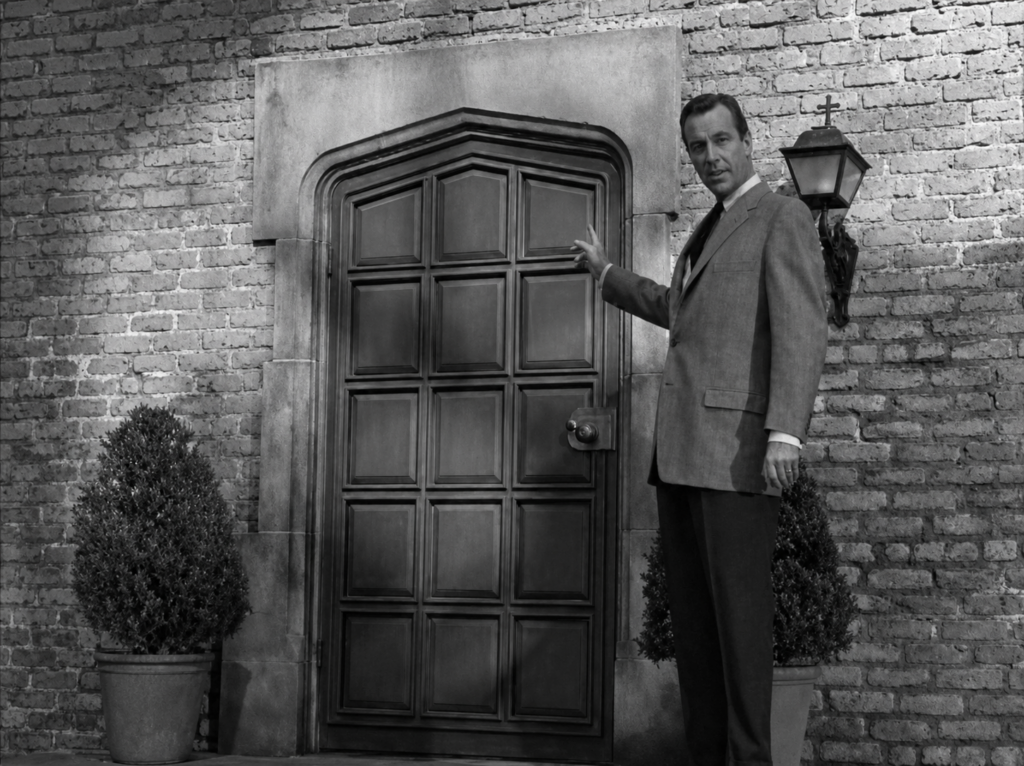
There is something irresistible about a television episode that can make your living room feel a little colder. One Step Beyond built its reputation on exactly that sensation, and 1959’s “The Dark Room” is a fine example of the series at its most moody, mysterious, and quietly entertaining. For viewers who love vintage television with a shiver down the spine, this is the kind of half-hour that still flickers with eerie charm.
A haunted half-hour with style to spare
Hosted by the ever-serious John Newland, One Step Beyond always knew how to set the mood before the story had even properly begun. Newland did not wink at the audience or nudge the material toward camp. He delivered each introduction with the solemn conviction of a man opening a file marked unexplained, and that approach gives “The Dark Room” its first lift. Before the plot has fully unfolded, the atmosphere is already doing some of the work.
“The Dark Room” leans into one of the oldest and most reliable ingredients in supernatural storytelling: a sealed space, a troubling past, and the uneasy feeling that some places remember what happened inside them. The title alone is wonderfully evocative. You can almost hear the orchestra sting before a door creaks open.
What makes the episode enjoyable even now is its confidence. It does not over-explain. It lets shadows stay shadows for a while. That restraint was one of the great strengths of 1950s anthology television. Budgets were tight, running times were tighter, and writers had to create tension with suggestion, performance, and clever staging rather than spectacle. In “The Dark Room,” that economy becomes part of the pleasure.
Why the episode still works
Seen today, the episode feels like a polished little ghost train ride from television’s early golden age. The black-and-white photography gives every hallway, doorway, and worried glance an extra layer of drama. Darkness in modern television can sometimes feel merely underlit; here, darkness is part of the design. It frames faces, swallows corners, and turns ordinary interiors into places of uncertainty.
There is also a lovely sense of pacing. “The Dark Room” does not rush to its unnerving moments. It builds. It lingers. It allows silence to carry suspense. That is a skill many classic suspense programmes understood instinctively. They trusted the audience to lean in.
For fans of classic hits radio, there is a familiar pleasure in that craftsmanship. Just as a great record from the late 1950s knows when to hold back before the chorus lands, this episode understands timing. It knows that suspense, like music, depends on rhythm. A pause can be as important as a revelation.
The charm of television that leaves room for imagination
Part of the nostalgia here comes from how much the episode asks you to participate. Modern supernatural dramas often arrive with a flood of visual effects and detailed mythology. “The Dark Room” comes from an era when a strange sound, a nervous expression, and a half-seen corner could do an enormous amount of work. The audience fills in the rest, and that can be far more effective than showing everything.
That quality makes the episode feel personal, almost like a story told late at night with the lights low. It is spooky without becoming gruesome, tense without becoming exhausting, and theatrical in the best possible sense.
Behind the scenes of a 1959 mystery machine
One of the real joys of revisiting One Step Beyond is remembering how quickly and efficiently these anthology programmes were made. Television in 1959 moved at a remarkable pace. Casts and crews were expected to create atmosphere, character, and suspense on punishing schedules. There was no luxury of endless takes or digital correction waiting down the line. What ended up on screen had to be achieved through preparation, precision, and a little ingenuity.
That is where “The Dark Room” becomes especially fun to appreciate. You can sense the craft in the set design, the lighting, and the camera placement. The production team had to make limited spaces feel suggestive and alive. A doorway becomes ominous. A room becomes a character. A simple prop can suddenly seem loaded with meaning just because the camera treats it that way.
John Newland’s presence behind and in front of the series also helped give One Step Beyond its distinctive identity. He was not merely a host delivering spooky introductions; he was central to shaping the programme’s tone. That consistency matters. In anthology television, where stories and casts change from week to week, tone is the glue. Newland gave viewers a steady hand to hold as the programme led them into strange territory.
Black-and-white television at its most expressive
There is a tendency to think of older television as visually limited, but episodes like this are a good reminder that limitation often encourages invention. Black-and-white photography can be extraordinarily expressive when suspense is the goal. Contrast becomes emotion. Light becomes narrative. The absence of colour strips the image down to essentials, which is perfect for a story about uncertainty and fear.
In “The Dark Room,” that visual language does a great deal of heavy lifting. Faces seem more haunted. Rooms seem deeper. Even stillness feels dramatic. It is the sort of episode that reminds you why so many classic television thrillers remain compelling long after newer productions have faded from memory.
Performances that sell the shiver
No supernatural story works unless the actors believe in it completely, and one of the pleasures of this episode is that nobody plays it with a smirk. The performances are grounded, earnest, and alert to the emotional stakes. That sincerity is vital. It invites the audience to take the mystery seriously, even when the premise edges into the uncanny.
Anthology television was a wonderful showcase for dependable character actors, and One Step Beyond regularly benefited from performers who could establish a believable world in just a few scenes. “The Dark Room” has that same efficiency. You quickly understand the emotional temperature of the story, which means the eerie elements have a solid foundation to disturb.
There is also something deeply nostalgic about this style of acting. It is clean, direct, and unshowy. The dialogue is delivered with purpose, and reactions matter. A look of hesitation, a slight change in tone, a pause before opening a door—those details carry the suspense beautifully.
A bright memory from television’s shadowy corner
What keeps “The Dark Room” so enjoyable is that it captures the sweet spot where old television mystery becomes both spooky and comforting. Yes, it aims to unsettle. But it also wraps that unease in the familiar pleasures of classic studio-era production: crisp direction, elegant monochrome visuals, and a host who sounds as though he has personally collected every strange tale in America.
That combination makes the episode a delight for nostalgic viewers. It offers a glimpse of a time when television could create a memorable chill with a handful of sets, a committed cast, and a strong idea. There is something uplifting in that level of craft. It reminds us that atmosphere does not depend on scale. Sometimes all you need is a darkened room, a good story, and the confidence to let the audience imagine what might be waiting just out of sight.
Why it deserves another watch
If you are already a fan of vintage suspense, “The Dark Room” is an easy recommendation. If you are new to One Step Beyond, it serves as a lovely introduction to the series’ strengths: seriousness of tone, efficient storytelling, and that delicious feeling that the ordinary world may be hiding something strange.
- For nostalgia: it is pure late-1950s television atmosphere.
- For craft: the lighting and pacing are a lesson in economical suspense.
- For fun: it is the kind of eerie tale that is perfect for a cosy evening viewing.
In the end, “The Dark Room” may not shout for attention like some flashier supernatural dramas, but it does something better: it lingers. Like a favourite old record that still sounds just right when the needle drops, this episode carries its age beautifully. It is a compact, stylish reminder that classic television knew exactly how to raise goosebumps—and do it with grace.
Classic Gold verdict: a spooky little gem, rich in atmosphere and full of the handcrafted suspense that made early anthology television such a lasting pleasure.