Why The Zanti Misfits Still Bites
Tiny alien outlaws, a desert prison colony, and one of the most unforgettable creature designs in classic television make this a joy to revisit. Decades after its 1963 debut, this The Outer Limits favourite still shows how inventive early TV science fiction could be.
Some television episodes fade into the background like a half-remembered tune. The Outer Limits episode “The Zanti Misfits”, first broadcast in 1963, does the exact opposite. It scuttles into your memory on a set of sharp little legs and stays there. For viewers who grew up with black-and-white science fiction, this is one of those stories that feels like a late-night transmission from another world: eerie, clever, a little pulpy, and a lot more ambitious than its modest running time might suggest.
What makes it such a pleasure to revisit today is not only the shock of its alien creatures, but the way it captures a whole era of television imagination. This was a time when science fiction on TV could be tense, theatrical, and surprisingly poetic, all while working with tight schedules and practical effects that had to do a lot with a little. “The Zanti Misfits” remains one of the standout examples of that magic.
A desert, a deadline, and a deliciously strange premise
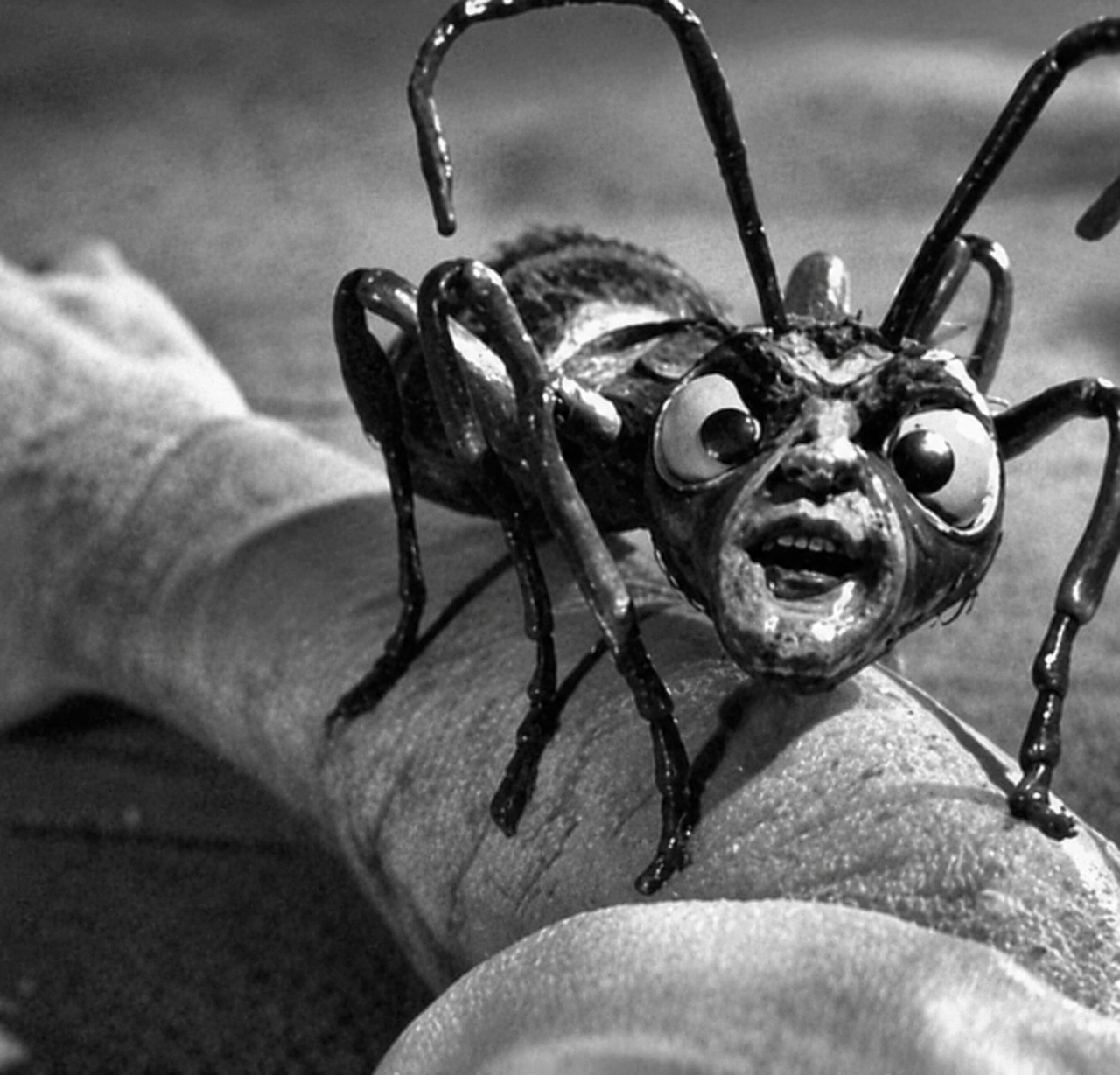
The setup is irresistible. Earth receives a stern message from an alien race called the Zanti. They want a remote desert area turned into a temporary prison colony for their most dangerous criminals. Human authorities, understandably nervous, agree. The plan sounds simple enough until those exiled creatures arrive and reveal themselves to be tiny, insect-like beings with grotesquely human faces. Suddenly, the barren landscape becomes the stage for a very unusual manhunt.
That premise has the clean snap of a great radio intro: one bold idea, delivered fast, and then the story lets the tension build. There is no wasted motion here. The episode moves with confidence, balancing military urgency, science fiction mystery, and just enough monster-movie flair to keep the pulse up.
The hook that audiences never forgot
If you ask longtime fans what they remember first, many will mention the Zanti themselves. Those creatures are the headline act, and rightly so. Their design is unforgettable: crab-like bodies, unsettling little faces, and a jerky movement that makes them feel both awkward and dangerous. Even now, they have a peculiar power. They do not look polished in the modern digital sense, but they look inventive, and that counts for a great deal.
There is a special charm in effects that show the handiwork behind them. You can almost feel the craftsmanship, the problem-solving, the crew figuring out how to create something viewers had never seen before. In classic television, that effort becomes part of the atmosphere. It draws you in rather than pushing you away.
Behind the scenes: ingenuity on a television budget
One reason “The Zanti Misfits” still earns affectionate praise is that it represents a golden kind of television resourcefulness. The Outer Limits was never operating with unlimited money, yet the series had a gift for stretching every dollar into mood, mystery, and visual impact. This episode is a fine example of that talent.
The creatures were achieved through a combination of miniature work, optical effects, and puppetry. By today’s standards, that may sound quaint. But in practice, it gave the Zanti a tactile, handmade quality that modern effects sometimes struggle to match. They feel like objects occupying real space, however stylised that space may be. That matters. The audience senses weight, texture, and presence.
And then there is the desert setting, which does a tremendous amount of heavy lifting. A remote landscape always works well in science fiction because it feels both earthly and alien. Here, it becomes a natural pressure cooker: open space, hidden danger, military control, and nowhere to run. The location gives the episode scale without requiring expensive world-building. That is smart television production, plain and simple.
A classic era of imaginative television
In the early 1960s, anthology science fiction had a wonderful freedom. Shows like The Outer Limits could deliver a complete, self-contained idea in under an hour, often with a sting in the tail and a moral question humming beneath the surface. “The Zanti Misfits” uses that format beautifully. It is not merely a monster story. It is also a tale about authority, fear, negotiation, and the uneasy role humanity plays in a much larger cosmos.
There is also something very nostalgic about the seriousness with which the episode treats its premise. Nobody winks at the audience. Nobody undercuts the suspense with a clever joke. The cast and crew commit fully to the world they are building, and that sincerity is one of the reasons the episode still lands. It invites viewers to lean in and believe, if only for half an hour.
The performances keep it grounded
For all the attention given to the creatures, the human side of the story is just as important. The performances give the episode its backbone. The military and scientific characters react with the kind of brisk, controlled alarm that classic television did so well. Their dialogue carries urgency, but it also carries ideas. This is not chaos for chaos’s sake. It is a story about managing the unmanageable.
Bruce Dern appears here as a troubled, desperate man caught within the larger crisis, and his presence adds an extra spark. Even early in his career, he had that intensity that could make a scene feel unstable in the best possible way. He brings a restless energy that contrasts nicely with the official calm of the authorities. That tension helps keep the episode from becoming too procedural.
It is a reminder of how often anthology television served as a meeting place for strong actors, smart scripts, and directors willing to take a chance on a strange idea. When all of that clicked, the result could be unforgettable.
Why it still feels fresh
Here is the real secret of “The Zanti Misfits”: it is efficient, but it never feels thin. In a short runtime, it creates a memorable world, introduces a bizarre alien species, raises the stakes, and leaves the audience with images that linger long after the credits. That is a remarkable bit of storytelling economy.
It also still feels fresh because its central idea is so delightfully odd. Science fiction lives or dies on the strength of its concepts, and this one has a beautifully unsettling twist. The notion that Earth could be used as an interplanetary dumping ground for dangerous offenders is both absurdly grand and oddly plausible within the show’s universe. It turns our planet into a small player in a much bigger system, which is exactly the kind of perspective shift good science fiction delivers.
“The Zanti Misfits” is classic television doing what it does best: making a bold idea feel immediate, eerie, and exciting with craft, conviction, and just enough nightmare fuel.
A perfect late-night watch
Some episodes are best appreciated in the right mood, and this is absolutely one of them. Dim lights, quiet room, maybe the faint glow of a lamp across the room, and suddenly that black-and-white world feels wonderfully alive again. There is a rhythm to classic anthology television that rewards attention. The pauses matter. The music cues matter. The camera angles matter. The Outer Limits knew how to create atmosphere, and this episode is one of its most entertaining showcases.
For longtime fans, revisiting it is like hearing a favourite record come on unexpectedly. For newer viewers, it is a chance to discover how much imagination could be packed into a network television episode long before digital effects changed the game. The pleasures are slightly different, but they are equally real.
Watch the episode clip
Final thoughts
“The Zanti Misfits” remains one of The Outer Limits at its most iconic: imaginative, tense, and full of handcrafted science fiction flavour. Its creatures are memorable, its premise is sharp, and its production ingenuity gives it a special glow that modern viewers can still appreciate.
Best of all, it carries that nostalgic thrill that classic genre television does so well. You can sense the ambition in every frame. You can feel the creators reaching for something weird and wonderful. And more than sixty years later, those little alien exiles are still making quite an impression.
- Best for: fans of classic science fiction television
- Standout feature: unforgettable alien creature design
- Why revisit it: a compact masterclass in atmosphere and imagination