The Mall Tour That Made Tiffany a Star
Before viral videos and social media, Tiffany became a household name by performing free concerts in shopping malls across America. Discover how one of the most creative promotions of the 1980s turned a teenage singer into a pop superstar.
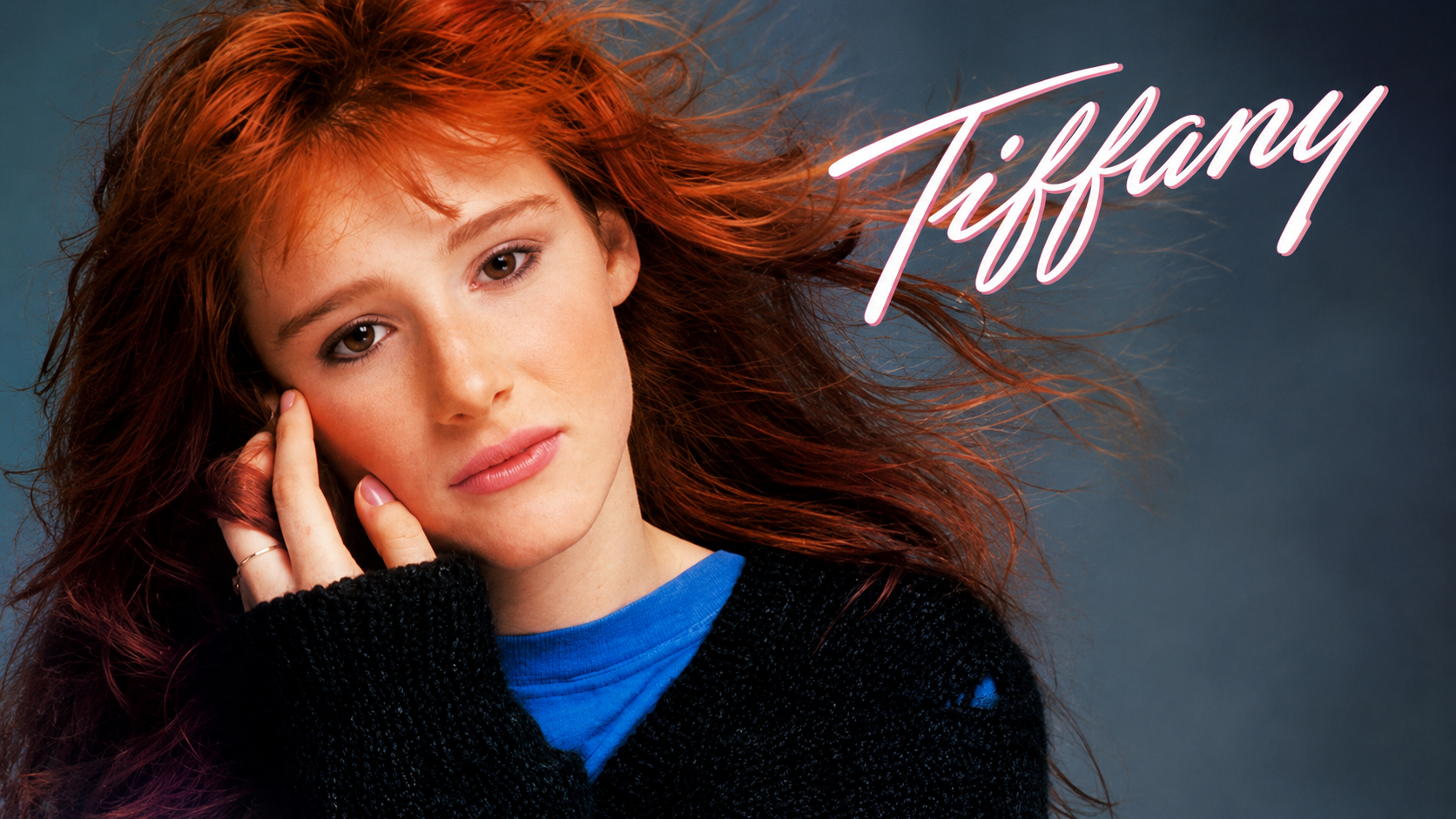
There was a time in the late 1980s when you couldn’t walk through an American shopping mall without hearing pop music blasting from the center court. While most major artists were selling out arenas, one teenage singer was doing something completely different—performing for shoppers buying shoes, grabbing lunch, or simply hanging out with friends.
That singer was Tiffany, and her unusual mall tour became one of the smartest promotional campaigns of the decade. It didn’t just launch a career—it created an ’80s pop phenomenon.
A Teenager with a Big Voice
Born Tiffany Renee Darwish in California, Tiffany began singing professionally while she was still a child. She possessed a mature voice that belied her age, performing country music before eventually making the leap to pop.
By 1987, she was just 16 years old and preparing to release her self-titled debut album. The challenge was obvious: how do you introduce an unknown teenager to millions of young music fans?
The answer would change music marketing forever.
The Shopping Mall Tour
Instead of booking clubs or opening for established artists, Tiffany’s management came up with a bold idea: perform free concerts inside shopping malls across America.
It was a perfect fit for the era.
During the 1980s, malls weren’t just places to shop—they were where teenagers spent their weekends. Friends met at the food court, browsed record stores, played arcade games, and hung out for hours.
Rather than asking teenagers to come to a concert, Tiffany brought the concert directly to them.
Over the course of several months, she performed in dozens of malls across the United States, attracting increasingly larger crowds as word spread.
Word of Mouth Before Social Media
Today, a new artist can go viral overnight on TikTok or Instagram.
In 1987, success spread through television appearances, radio stations, magazines—and simple word of mouth.
Teenagers who saw Tiffany perform told their friends. Local news stations covered the growing crowds. Record stores inside the malls immediately benefited from the excitement as fans purchased her debut album after the performances.
By the end of the tour, Tiffany wasn’t just another new singer.
She had become a national sensation.
“I Think We’re Alone Now”
Everything changed when Tiffany released her version of “I Think We’re Alone Now,” originally recorded by Tommy James and the Shondells in 1967.
The song shot to No. 1 on the Billboard Hot 100 in November 1987 and became one of the defining pop hits of the decade.
Its upbeat sound, infectious chorus, and Tiffany’s youthful energy made it an instant favorite on radio stations and MTV alike.
Suddenly, the teenager performing in shopping malls was one of the biggest stars in America.
MTV Helped Turn Her Into an Icon
The late 1980s belonged to MTV, and Tiffany fit the channel perfectly.
Her videos showcased a fun, approachable personality that resonated with teenagers. Unlike some larger-than-life pop stars, she came across as someone who could easily have been your classmate.
That authenticity helped build an incredibly loyal fan base.
For many fans, Tiffany wasn’t just another singer—she felt like a friend.
The Friendly Rivalry with Debbie Gibson
One of the biggest pop stories of the late ’80s was the friendly rivalry between Tiffany and Debbie Gibson.
Both were teenage stars.
Both topped the charts.
Both appealed to similar audiences.
Fans constantly debated which artist was better, creating one of the decade’s most memorable pop rivalries. In reality, the two singers respected each other’s work and helped define an era of teen pop that paved the way for future artists.
More Than One Hit
Although “I Think We’re Alone Now” remains her signature song, Tiffany enjoyed several successful singles during her peak years.
Among her biggest hits were:
- “Could’ve Been” (No. 1)
- “I Saw Him Standing There”
- “All This Time”
Her debut album sold millions of copies worldwide and established her as one of the most successful young artists of the late 1980s.
Why the Mall Tour Worked
Looking back, the strategy seems obvious—but in 1987 it was revolutionary.
Instead of relying solely on radio promotion, Tiffany met her audience face to face.
She created memorable experiences long before the internet made fan engagement a buzzword.
Today, marketers still point to Tiffany’s mall tour as an early example of experiential marketing—a campaign that built personal connections rather than simply advertising a product.
It proved that sometimes the best way to become a star is to meet your audience where they already are.
A Lasting Place in ’80s Pop History
While music trends have changed dramatically since the 1980s, Tiffany’s story remains one of the decade’s most unique success stories.
Her shopping mall performances captured a moment in American culture when malls were the center of teenage life, MTV ruled television, and a talented teenager with a microphone could become a superstar simply by singing where her fans gathered.
For anyone who grew up in the ’80s, hearing “I Think We’re Alone Now” is enough to bring back memories of neon fashions, cassette tapes, food courts, and weekends spent at the local mall.
And that’s exactly why Tiffany remains one of the unforgettable voices of the decade.