Hall & Oates and the Smooth Sound of Blue-Eyed Soul
From a chance meeting in a Philadelphia elevator to one of the most successful hitmaking runs in pop history, Hall & Oates turned blue-eyed soul into a classic hits goldmine. Their songs still sparkle with melody, groove, and the kind of nostalgia that never goes out of style.
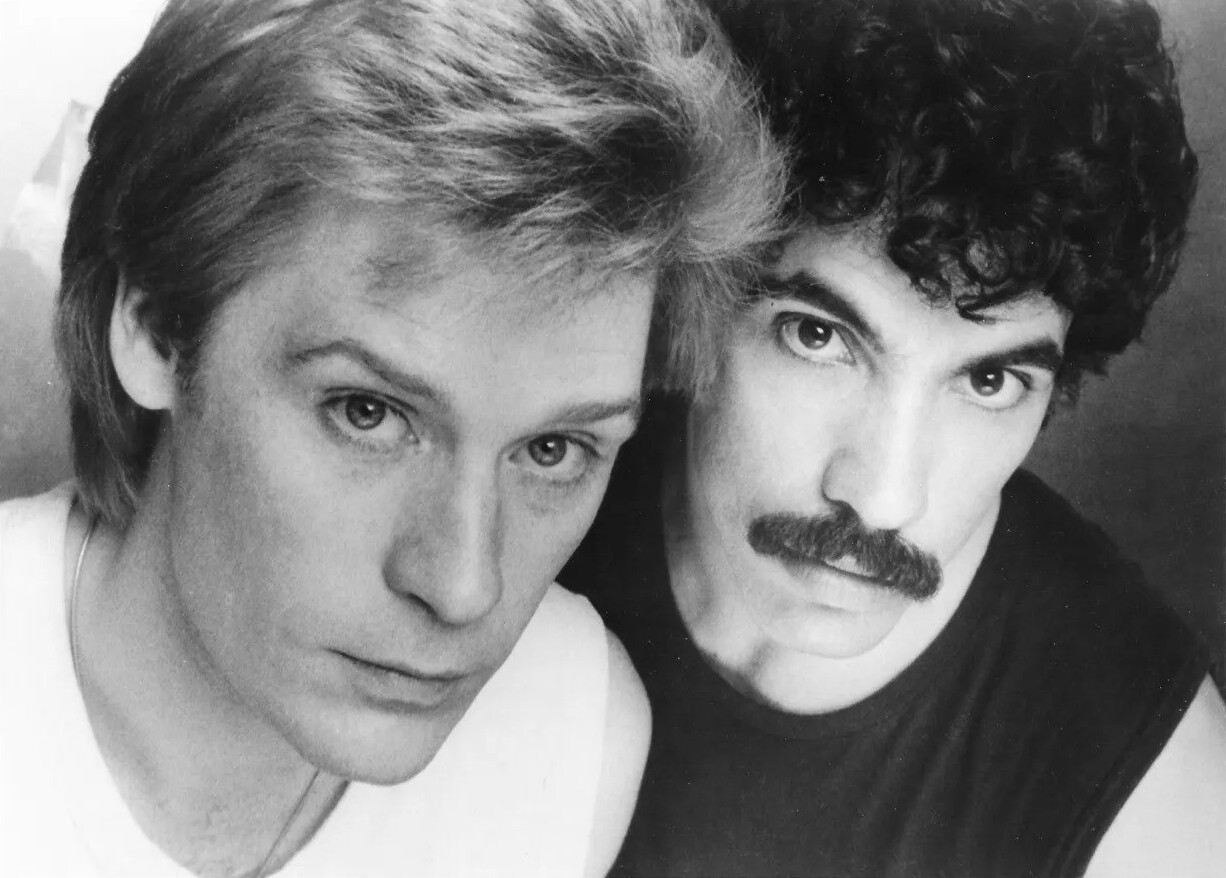
From Different Streets to the Same Stage
Few duos in pop history have sounded as effortless, stylish, and instantly recognizable as Hall & Oates. For classic hits listeners, their songs feel like old friends arriving right on cue — a bright guitar riff here, a silky harmony there, and suddenly the room is filled with the cool confidence of the late 1970s and early 1980s. But behind that polished sound was a story that began in two very different worlds.
Daryl Hall was born in Pottstown, Pennsylvania, in 1946, and music was practically in the walls of his home. His mother was a vocal coach, his father sang in a choral group, and young Daryl grew up surrounded by harmony, melody, and performance. He was drawn to the rich textures of soul and R&B early on, especially the vocal groups that turned emotion into art. As a teenager, he formed bands and immersed himself in the Philadelphia music scene, soaking up everything from doo-wop to gospel to the gritty pulse of urban soul.
John Oates, born in New York City in 1948 and raised in North Wales, Pennsylvania, came from a different musical angle. He loved folk, rock, and rhythm and blues, and he picked up the guitar with the kind of enthusiasm that would shape the rest of his life. Oates had a knack for rootsy textures and sharp songwriting instincts, which would later become the perfect counterweight to Hall’s soaring vocals and sophisticated melodic sense.
Their meeting has become one of those great music-history stories that sounds almost too cinematic to be true. In 1967, the two met at the Adelphi Ballroom in Philadelphia during a battle of the bands. Chaos reportedly broke out after the event, and as the crowd scattered, Hall and Oates found themselves taking refuge in the same service elevator. It was an unlikely beginning for a partnership that would go on to define an era.
That chance encounter mattered because both men were deeply tuned in to the same musical heartbeat: American soul music. Philadelphia, with its vibrant mix of R&B, rock, and vocal harmony traditions, gave them fertile ground. Before long, they began writing together, blending their influences into something fresh — polished but heartfelt, radio-ready but rooted in real musicianship.
Building the Sound Before the Breakthrough
Hall & Oates signed with Atlantic Records in the early 1970s and began releasing albums that showed promise, even if superstardom did not arrive overnight. Their 1972 debut, Whole Oats, introduced listeners to their smooth blend of soul, folk, and pop. It did not explode commercially at first, but it planted the seeds of what was to come.
Those early years are important because they reveal just how hard-earned their success really was. Hall & Oates were not an overnight sensation. They were craftsmen, refining a sound album by album. Records like Abandoned Luncheonette and War Babies showed ambition, range, and a willingness to experiment. She’s Gone, now considered one of their signature songs, was initially only a modest success when first released in 1973. It took a re-release in 1976, after the duo had gained more momentum, for the song to become a major hit.
That delayed success says a lot about Hall & Oates. Their music had staying power. Songs did not just flash and fade — they lingered, grew, and found audiences over time. She’s Gone in particular became a perfect early example of their emotional depth: soulful, elegant, and full of aching restraint.
By the mid-1970s, they scored with songs like Sara Smile, a tender and deeply melodic ballad that became their first Top 10 hit in the United States. It showcased Hall’s remarkable voice and proved they could make intimate, heartfelt records that connected with a mass audience. It also hinted at the balancing act that made them special: Hall’s vocal power and Oates’ grounded musical sensibility working in tandem.
The Hitmaking Machine of the 1980s
If the 1970s were about building the foundation, the 1980s were when Hall & Oates took over the airwaves. And what a run it was. Between 1980 and 1985, they became one of the most successful acts in popular music, delivering hit after hit with a consistency that few artists have ever matched.
Their breakthrough into true pop dominance came with albums like Voices, Private Eyes, and H2O. These records sharpened their sound into something sleek, catchy, and unmistakably modern, while still preserving the soul roots that had always defined them. They embraced the crisp production and punchy rhythms of the era without losing their identity.
Then came the songs that still light up classic hits radio:
- Kiss on My List — a deceptively breezy pop gem with a melody that burrows into your head and stays there.
- Private Eyes — all attitude and hooks, with that unforgettable handclap rhythm that practically invites listeners to join in.
- I Can’t Go for That (No Can Do) — cool, controlled, and irresistibly groovy, a masterclass in pop minimalism and soul sophistication.
- Maneater — dark, dramatic, and driving, with a tension that made it one of their biggest and most enduring hits.
- Out of Touch — pure 1980s polish, bursting with energy and emotional urgency.
- You Make My Dreams — joyful, kinetic, and impossible to hear without feeling a little lighter.
- Rich Girl — witty, sharp, and stylish, with one of the duo’s most famous choruses.
What made this streak remarkable was its range. Hall & Oates could deliver a silky ballad one moment and a punchy dance-pop smash the next. They understood radio in the best possible way: not as a formula, but as a connection. Their songs sounded great coming through car speakers, kitchen radios, and late-night stereo systems alike.
“I Can’t Go for That” became one of those rare records admired across genres, with artists from pop, soul, and hip-hop all recognizing its brilliance.
In fact, that song earned particular respect from Black musicians who heard in Hall & Oates not imitation, but genuine understanding and love of soul music. The groove was so undeniable that it crossed boundaries effortlessly. Over the years, the duo’s work has been sampled and celebrated by generations of artists who found inspiration in their rhythmic instincts and melodic clarity.
The Songs That Never Really Left
One of the reasons Hall & Oates remain essential to classic hits radio is simple: their catalog is stacked. These are not songs remembered only for chart positions. They are songs woven into everyday life — road trips, weddings, supermarket speakers, movie soundtracks, and singalongs between old friends.
You Make My Dreams has enjoyed a particularly fascinating second life. Though it was always beloved, it became even more deeply embedded in popular culture thanks to films, television, and commercials. Its buoyant piano, galloping rhythm, and sheer optimism make it one of those records that can instantly lift the mood of a room.
Maneater remains a marvel of atmosphere. There is a sleek menace to it, a stalking energy that still sounds thrilling decades later. Private Eyes, meanwhile, captures the duo’s gift for turning a simple hook into something iconic. And Sara Smile and She’s Gone continue to remind listeners that beneath the chart-topping shine was a duo with real emotional depth.
Even their biggest hits have layers. Rich Girl, for instance, was reportedly inspired not by a woman at all, but by a man — though Hall changed the lyric because “you can’t say rich boy” and expect it to land the same way in a pop song. It is one of those delightful behind-the-scenes details that gives the music extra character.
Blue-Eyed Soul, Pop Craft, and a Lasting Influence
Hall & Oates are often described as pioneers of blue-eyed soul, a term used for white artists deeply influenced by soul and R&B traditions. But labels only tell part of the story. What they really did was create a bridge: between rock and soul, between singer-songwriter intimacy and radio-ready pop, between classic vocal tradition and modern production.
Daryl Hall’s voice was central to that magic. Rich, flexible, and emotionally expressive, it could soar into yearning balladry or settle into a cool, restrained groove. John Oates brought texture, rhythm guitar, harmony, and a songwriter’s instinct for structure and feel. Together, they built songs that sounded smooth on the surface but were often quite sophisticated underneath.
Their influence can be heard all over pop music. Artists who blend retro soul with polished hooks owe something to Hall & Oates. So do acts that understand the power of pairing emotional directness with airtight songwriting. Their records have been admired by everyone from contemporary pop stars to hip-hop producers, and their songs continue to be sampled, covered, and rediscovered.
There is also a craftsmanship to their work that musicians especially admire. The chord changes, vocal arrangements, and grooves often carry more nuance than a casual listener might first notice. That is one reason the songs age so well: they are built to last.
Lesser-Known Stories and Enduring Appeal
For all their chart success, Hall & Oates have always had an interesting relationship with their own image. Because they were so successful — and because their songs were so accessible — some critics once underestimated them. But time has been kind, and listeners have come to appreciate just how strong the songwriting really was.
Another charming footnote in their story is that despite being universally known as a duo, the official recording name has long been Daryl Hall John Oates, not “Hall & Oates” in the formal business sense. It is a small distinction, but one that hints at how carefully their identity was shaped over the years.
Daryl Hall later introduced a whole new generation to his musical tastes through Live from Daryl’s House, a wonderfully relaxed performance series where he welcomed artists from different backgrounds to jam, swap stories, and celebrate great songs. It felt like a natural extension of everything Hall & Oates represented: musical curiosity, generosity, and a deep respect for craft.
And while public conversations in recent years have sometimes focused on tensions between the two, their musical legacy remains untouched. The records still sparkle. The harmonies still lock in. The grooves still move. Whatever happened behind the scenes, what they created together remains one of the richest songbooks in pop history.
Why Hall & Oates Still Matter on Classic Hits Radio
For classic hits radio listeners, Hall & Oates occupy a sweet spot that few artists can match. They are nostalgic without feeling dusty, familiar without becoming stale, and polished without losing heart. Their songs bring back specific eras — neon nights, dashboard lights, summer windows rolled down — but they also feel timeless.
That is the secret. Hall & Oates made records that belong to their era and transcend it at the same time. They captured the sophistication of Philadelphia soul, the accessibility of pop radio, and the rhythmic pulse of modern R&B, then wrapped it all in hooks that still feel alive today.
For longtime fans, hearing Out of Touch or Kiss on My List is like stepping into a memory. For younger listeners, discovering I Can’t Go for That or You Make My Dreams can feel like finding a missing link in the story of pop music. That is the mark of a lasting act: every generation hears something worth holding onto.
In the end, Hall & Oates matter because they made joyfully crafted music with depth beneath the shine. They gave us heartbreak songs with elegance, danceable hits with soul, and choruses that still burst from the speakers like they have somewhere important to be. On classic hits radio, they do more than fill a slot between songs. They set a mood, spark a memory, and remind us just how good pop music can be when it is made with style, feeling, and a whole lot of groove.