Could You Smile Again for Me, Mandy?
One title change, one producer’s push and one unforgettable vocal turned Mandy into the record that launched Barry Manilow into the pop stratosphere. In the lush, melody-rich world of 1970s radio, it became a shining example of how a great ballad could capture both the heart of the moment and a lasting place in music history.
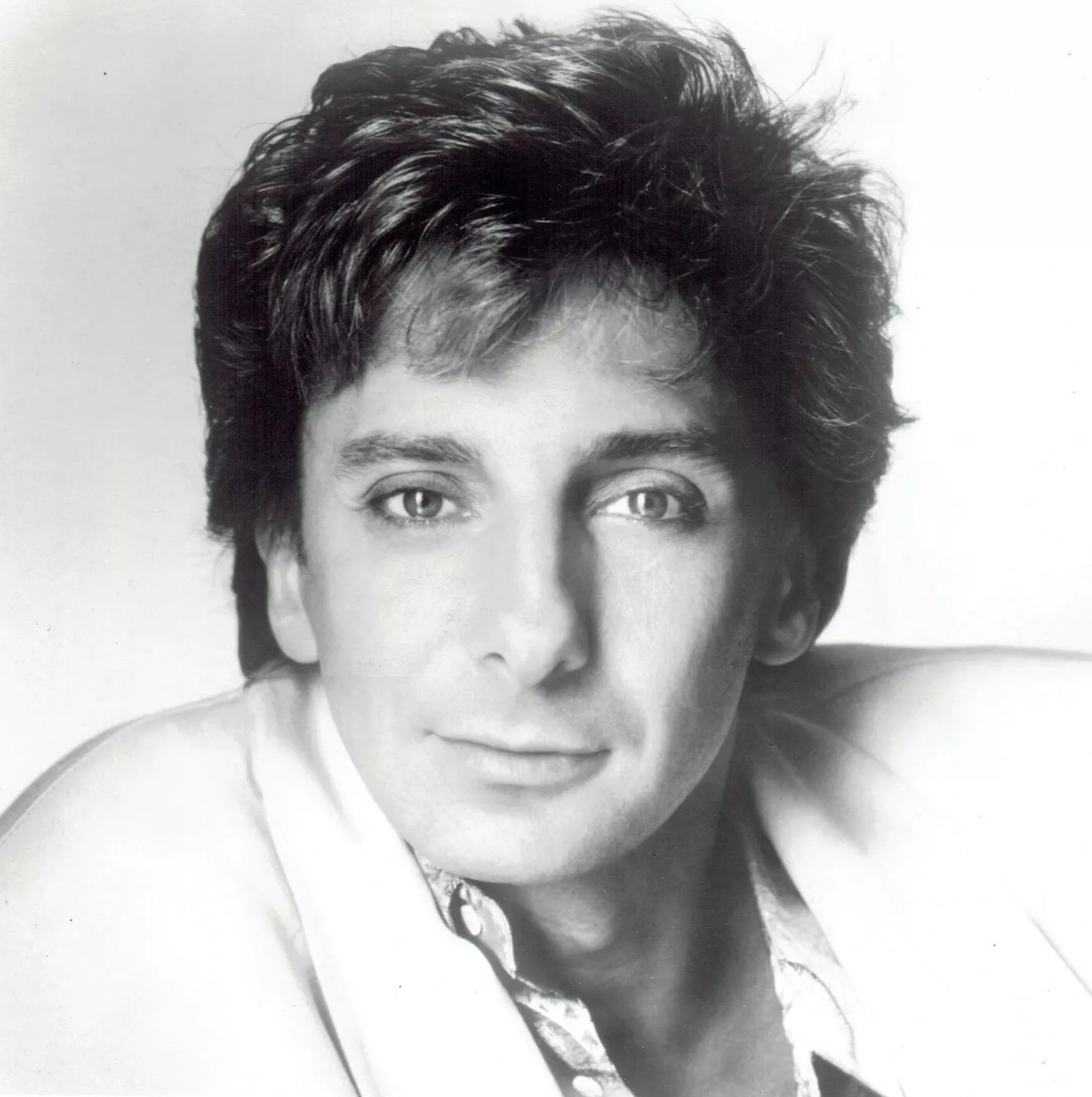
Some songs do not just arrive on the radio; they seem to float in and change the temperature of the room. Barry Manilow’s Mandy is one of those records. Tender, dramatic and instantly recognisable from its opening piano figure, it became the song that turned Manilow from a respected industry talent into a major recording star. Behind that emotional swell, though, is a story full of clever songwriting, studio craft, a title change that altered pop history, and the kind of timing that can make a career.
A song with another name
Originally, it was called Brandy
Long before Barry Manilow made the song famous, Mandy began life as Brandy. It was written in 1971 by Scott English and Richard Kerr. Kerr, a gifted British songwriter and composer with a strong melodic touch, created the music, while English helped shape the lyric. The result was a sweeping ballad about regret, longing and emotional distance — the sort of song that feels personal even when it is slightly mysterious.
Scott English recorded the original version himself, and it became a hit in parts of Europe, particularly in the United Kingdom. As for the inspiration behind the title, English later told more than one version of the story over the years, which only added to the song’s legend. One oft-repeated tale was that he had been speaking on the telephone with a reporter while a dog named Brandy was barking in the background, prompting the title almost by accident. Whether remembered perfectly or polished by time, it is exactly the kind of music-business anecdote that clings to a great pop song.
When Barry Manilow came to record it, however, the title had to change. Why? Because Brandy (You’re a Fine Girl) by Looking Glass had already been a huge hit, and there was concern that using the same title would cause confusion. So Brandy became Mandy — a tiny alteration, but one that gave the song its own identity forever.
The recording that changed everything
Barry Manilow was not yet the star people assumed he was
By the time he recorded Mandy, Barry Manilow was already highly skilled, but not yet a household name. He had worked extensively behind the scenes as an arranger, pianist, composer and commercial jingle writer. He had also served as accompanist and musical director for Bette Midler, which gave him valuable visibility and sharpened his instincts as a performer. In other words, Manilow was no overnight sensation — he was a seasoned musician waiting for the right record to meet the right moment.
That moment came with his 1974 album Barry Manilow II. Interestingly, Manilow reportedly did not initially want to record Mandy. He was focused on establishing himself with original material and was hesitant about cutting someone else’s ballad. But producer Ron Dante heard the potential immediately. Dante, who had pop instincts as sharp as a tailor’s needle, encouraged Manilow to give it a chance.
Ron Dante and the studio team shaped the drama
Ron Dante’s role in the success of Mandy cannot be overstated. Best known in some circles as the voice behind The Archies’ Sugar, Sugar, Dante was also an accomplished producer who understood how to build a radio record that felt both intimate and grand. With Manilow, he helped craft a performance that starts in heartbreak and rises into full emotional release.
The arrangement is one of the song’s great strengths. Manilow, an exceptional arranger as well as singer, knew how to let the melody breathe. The piano establishes the mood, the strings add cinematic sweep, and the rhythm section enters with restraint rather than force. Nothing feels rushed. Instead, the record unfolds like a late-night confession under a spotlight.
That was a hallmark of the era’s best adult pop production: sophistication without stiffness, emotion without chaos. The musicians and studio team supported Manilow’s vocal beautifully, leaving room for his phrasing and that distinctive ache in lines like “You came and you gave without taking.” It is a performance balanced between vulnerability and control, which is much harder to pull off than it sounds.
Climbing the charts
The breakthrough hit
Released as a single in 1974, Mandy became Barry Manilow’s first number one hit on the Billboard Hot 100 in the United States, reaching the top in early 1975. That achievement transformed him almost overnight in the eyes of the public. He was no longer simply a talented singer-songwriter with industry respect; he was a bona fide pop star.
The song also performed strongly on the Adult Contemporary chart, where its elegant production and emotional clarity made it a perfect fit. Internationally, it helped establish Manilow’s reputation as a vocalist who could connect across markets and age groups. Radio embraced it, record buyers embraced it, and audiences quickly identified it as one of those songs that seemed destined to stay.
Why listeners responded so strongly
Part of the appeal was timing. In the mid-1970s, pop music had room for many different moods at once. Glam rock, singer-songwriters, soul, soft rock and orchestral pop all shared space on the airwaves. Mandy arrived at a moment when listeners still had a strong appetite for big melodic ballads — songs with structure, key emotional turns and a memorable chorus you could carry with you long after the radio faded out.
Manilow’s version also hit a sweet spot between classic pop craftsmanship and contemporary polish. It had the melodic richness of earlier standards, but it was produced for 1970s radio: warm, full and emotionally immediate. That combination gave it broad commercial appeal.
Behind the scenes and in the grooves
A reluctant choice became a signature song
One of the most charming ironies in pop history is that artists do not always recognise their defining song at first. Manilow’s hesitation about recording Mandy makes its later importance all the more remarkable. Once recorded, however, it became impossible to separate the singer from the song. It was the breakthrough that opened the door to a long run of hits including It’s a Miracle, I Write the Songs and Copacabana.
There is also something revealing in that story: great producers matter. Ron Dante’s confidence in the material helped steer Manilow toward the record that changed his life. Pop music history is full of these moments, where instinct in the control room is just as important as talent at the microphone.
The title switch became part of the myth
The change from Brandy to Mandy is more than a footnote. It is one of those delightful examples of how practical music-business decisions can shape culture in unexpected ways. Had the title stayed the same, the song might still have been a hit, but Mandy has a softness and elegance that suits Manilow’s recording perfectly. It sounds like the name was always meant to be there.
A defining song of its era
Where it sits in 1970s pop
Mandy belongs to a rich 1970s tradition of emotional, piano-led pop ballads. This was a period when artists and producers were unafraid of melody, orchestration and dramatic feeling. The song sits comfortably alongside the work of artists such as Elton John, Neil Sedaka and the Carpenters, where craftsmanship and accessibility went hand in hand.
At the same time, Manilow occupied a lane of his own. He brought Broadway-scale emotional expression into mainstream pop without losing radio friendliness. That was a delicate balance, and Mandy may be the clearest early example of him getting it exactly right. It feels polished, but never cold; theatrical, but never overdone.
The song also reflects an era when a ballad could still command the centre of popular music. In today’s fragmented listening world, it can be easy to forget how powerful that was. A record like Mandy could stop people in their tracks — in cars, kitchens, shops and living rooms — because its emotional message was so direct and its melody so strong.
Legacy that never really faded
A standard of adult pop
Decades later, Mandy remains one of Barry Manilow’s signature recordings and one of the standout ballads of the 1970s. It has endured on oldies radio, adult contemporary playlists, compilation albums and concert set lists. For many listeners, it is the song that defines Manilow’s gift: sincerity, melodic intelligence and a willingness to go all-in emotionally.
Its cultural impact reaches beyond chart numbers. Mandy helped legitimise Manilow’s place in pop at a time when critical opinion and public affection did not always agree. Audiences loved him, and this song was central to that bond. It invited listeners not just to admire a singer, but to feel something with him.
Why it still works
The secret of Mandy is that it never winks at its own emotion. It is earnest, beautifully built and completely committed to the feeling at its centre. That kind of honesty can age very well. While production styles come and go, a strong melody and a believable vocal performance remain timeless.
And perhaps that is why the song still lands so powerfully. It captures a particular 1970s elegance, yes, but it also speaks a universal language of regret and gratitude. On the page, the lyric is simple. Through Manilow’s voice, it becomes unforgettable.
The song that opened the door
Every major artist has a record that changes the story. For Barry Manilow, Mandy was that record. Written by Scott English and Richard Kerr, elevated by Ron Dante’s production guidance, and delivered with Manilow’s unmistakable emotional flair, it became more than a hit single. It became a statement of arrival.
Even now, when those first notes begin, the song still creates that familiar hush. It reminds us of a time when pop ballads were built with patience, arranged with care and sung as if every word mattered. Mandy did not just help define Barry Manilow’s career — it helped define the emotional grandeur of its musical era.