It’s Still Rock and Roll to Me on the Jukebox
A witty complaint became Billy Joel’s first number one—and one of the most durable records of the radio age.
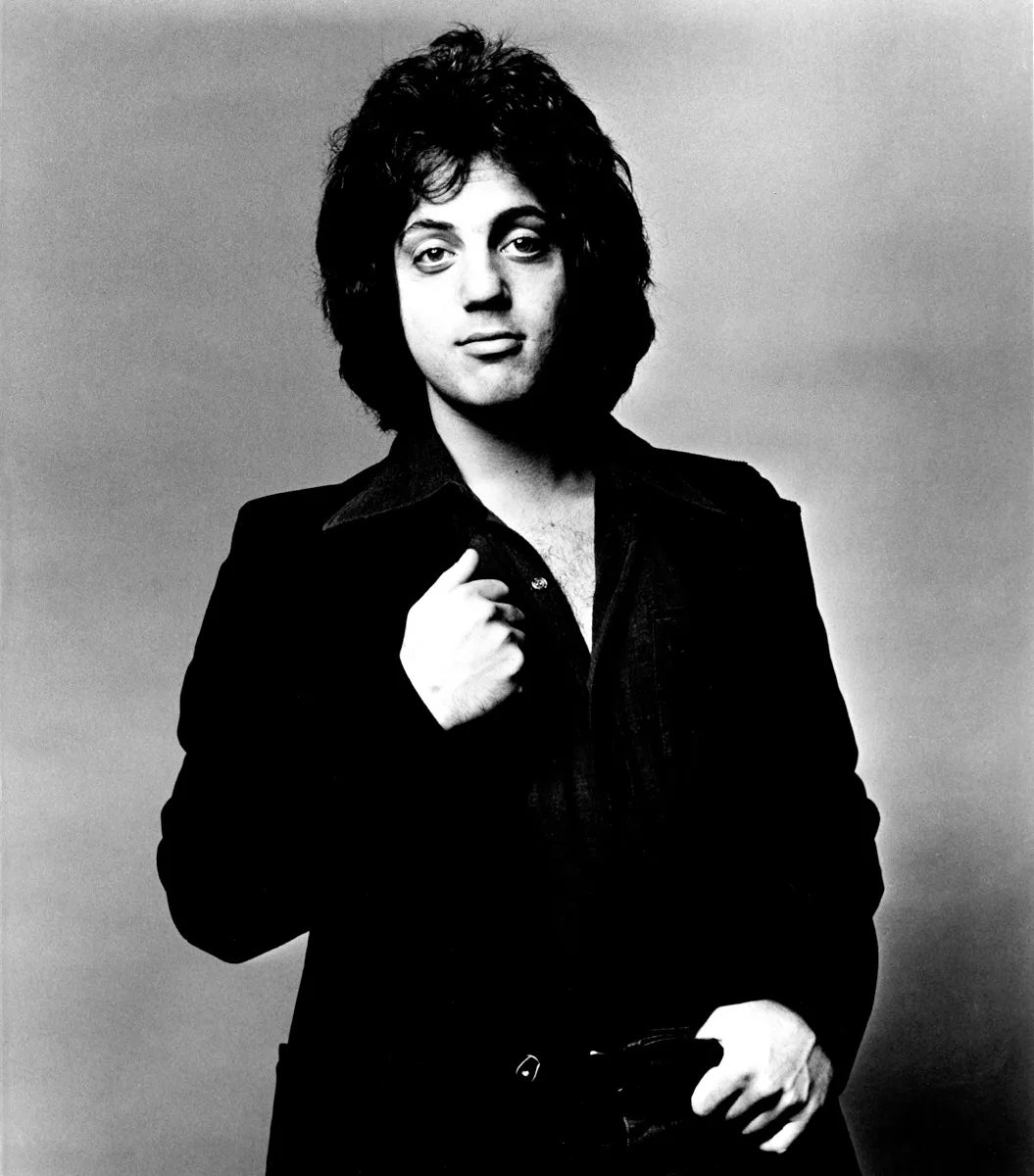
By 1980, Billy Joel had already proved he could write grand piano ballads, sharp character sketches, and crowd-pleasing rock songs. Then came It’s Still Rock and Roll to Me, a record that sounded loose, witty, and almost tossed off—yet it became his first number one single in the United States. That contrast is part of its charm. It is a song with a grin on its face, but behind that grin sits a very precise piece of songwriting, a sharp read on music fashion, and a band performance that crackles like a live wire.
A sarcastic answer to changing times
At heart, It’s Still Rock and Roll to Me is Billy Joel’s amused response to the endless parade of trends that swept through the late 1970s. New wave was rising, punk had shaken the old order, and music magazines were full of style codes, scene reports, and instructions on what was supposedly cool this week. Joel, who had grown up loving classic rock and rhythm and blues, saw some of that trend-chasing as a bit absurd.
The song’s lyric plays like a conversation with the culture itself. There is mock confusion in the verses, where the narrator asks what happened to the old sound and why image suddenly seems to matter so much. Then comes that unforgettable chorus, equal parts shrug and declaration: whatever labels people invent, it is still rock and roll to him.
That line is what made the song travel so well. It was not a bitter complaint about younger music. It was more playful than that, more knowing. Joel was poking fun at the fashion machinery around pop music while also admitting that styles change, names change, haircuts change—but the basic thrill of a good beat and a sharp hook remains.
Written with a bandleader’s ear
Billy Joel wrote the song himself, and one of its great strengths is how economical it is. The lyric is conversational, but the structure is tight. Every verse sets up the joke, every chorus lands the point, and the whole thing moves with the bounce of a bar band that knows exactly when to lean in and when to pull back.
There is also a subtle musical joke in the arrangement. Rather than chasing the icy edge of some new wave records of the day, Joel and his group delivered something punchy, rhythmic, and rooted in old-school rock and rhythm and blues. In other words, the song about trend fatigue does not sound trapped by trends. That helped it age beautifully.
Glass Houses and the team behind the record
It’s Still Rock and Roll to Me appeared on Glass Houses, the 1980 album that found Billy Joel leaning harder into a rock attack. The album was produced by Phil Ramone, Joel’s trusted collaborator and one of the most respected producers of the era. Ramone had a gift for making records sound polished without sanding away their personality, and that balance matters here. The track feels radio-ready, but it also feels lived-in, like a band in a room having a very good day.
Joel’s core musicians were crucial to that feeling. His touring and recording band in this period included:
- Billy Joel – lead vocals, piano
- Liberty DeVitto – drums
- Doug Stegmeyer – bass
- Russell Javors – guitar
- Richie Cannata – saxophone and keyboards
That lineup had chemistry you cannot fake. DeVitto’s drumming gives the song its snap and swagger, Stegmeyer keeps it spring-loaded, and the guitars help maintain that slightly scruffy edge that stops the track from becoming too slick. Cannata’s presence in the wider Glass Houses sound also helped Joel bridge classic rock instincts with the sharper textures of the moment.
Recording with energy, not fuss
One of the pleasures of the record is how immediate it sounds. Phil Ramone was known for capturing performances that felt natural and alive, and this track benefits from that approach. Nothing feels overdecorated. The vocal is confident but not overworked; the groove is crisp but not mechanical. It has the kind of balance that many pop-rock records aim for and few achieve.
That mattered in 1980. Radio was crowded with highly produced records, but audiences still responded to songs that felt human. It’s Still Rock and Roll to Me slips neatly between those worlds: sharp enough for Top 40, sturdy enough for rock radio, and catchy enough to stay with listeners after one spin.
The hit that took Billy Joel to number one
Commercially, the song was a major turning point. Released as a single in 1980, It’s Still Rock and Roll to Me became Billy Joel’s first number one hit on the Billboard Hot 100. For an artist who had already built an impressive catalogue with songs like Piano Man, Just the Way You Are, and My Life, that was a striking milestone.
Its success made perfect sense once it hit the airwaves. The chorus was instantly memorable, the lyric felt current, and the performance had personality to spare. It also crossed format lines with ease. Pop listeners heard a hook-filled single; rock audiences heard a musician standing his ground; longtime Joel fans heard his familiar blend of melody, wit, and attitude.
The song also helped push Glass Houses into the front rank of early-1980s mainstream rock albums. Joel was no longer just the thoughtful piano man or the specialist in heartfelt ballads. He had become a broader pop-rock force, capable of dominating radio with something brisk, funny, and sharp-edged.
Behind the scenes: wit, image, and a memorable video
One of the most enjoyable stories around the song is the way it reflects Joel’s skepticism toward image-driven music culture. He was never an artist who relied on mystery or fashionable posing. His appeal came from craft, personality, and a certain everyman directness. So when magazines and tastemakers began treating style as a kind of competitive sport, he had plenty of material to work with.
The lyrics capture that irritation without becoming sour. That is a difficult trick. A lesser song might have sounded defensive, but Joel turned the whole debate into a catchy joke. That is one reason listeners still warm to it: the song complains, but it dances while doing it.
The promotional video helped seal its place in the era’s visual memory, too. Early music video culture was just beginning to reshape how pop stars were seen, and Joel’s clip leaned into performance and personality rather than grand concept. It fit the record: unfussy, charismatic, and happy to let the song do the heavy lifting.
Why it mattered in 1980
The broader musical backdrop is essential to understanding the song’s bite. Around 1980, popular music was in a fascinating state of overlap. Disco had dominated much of the previous few years. Punk had challenged old assumptions. New wave was filtering underground energy into the mainstream. Album rock still had huge commercial power. Artists were borrowing from all directions, and listeners were being told that yesterday’s sound was out, this week’s sound was in.
Billy Joel stood in a unique position within that landscape. He was not a punk artist, not a pure new wave act, and not simply a holdover from 1970s singer-songwriter culture either. He was a musical magpie with deep roots in classic pop, doo-wop, rhythm and blues, and rock. That gave him both distance and perspective. He could look at the scene, laugh at the costume changes, and still make a record that sounded completely at home on contemporary radio.
In that sense, the song is about more than one man rolling his eyes at fashion. It captures a recurring truth in pop history: genres get renamed, scenes rise and fall, but the emotional engine of great popular music remains surprisingly constant.
A bridge between old-school craft and modern radio
Another reason the record endures is that it sits right at the meeting point of two traditions. On one side, there is the old Brill Building and rhythm-and-blues idea of the perfect pop single—tight, memorable, punchy. On the other, there is the late-1970s and early-1980s appetite for attitude, edge, and self-awareness. Joel managed to serve both at once.
That balancing act is not always celebrated enough. It takes considerable skill to write a song that comments on the music business while still sounding carefree. The best records of that kind never feel like essays. They feel inevitable. This one does.
Legacy on radio, stage, and in pop culture
Decades later, It’s Still Rock and Roll to Me remains one of Billy Joel’s signature songs. It is a staple of classic hits radio because it delivers almost instantly: that beat, that title, that wink in the lyric. It also thrives in concert, where audiences tend to meet it with the kind of delighted recognition reserved for songs that have never really left public life.
Its title has become shorthand in popular culture, too. People quote it whenever a musical trend cycle starts spinning too fast or whenever debates break out over what counts as “real” rock music. That is the mark of a song that escaped its original chart moment and entered the language.
It’s still rock and roll to me works because it is both a period piece and a timeless complaint—anchored in 1980, but true in almost every era of pop.
For Billy Joel, it also marked an important expansion of his public image. He was not only the sensitive storyteller at the piano. He was funny, observant, and more than capable of throwing a sly punch. That broadened persona would serve him well through the rest of the decade.
The record still spins beautifully
Some hit singles are inseparable from their chart statistics; others live on because they catch a mood so perfectly that every new generation understands them. It’s Still Rock and Roll to Me manages both. It was a commercial triumph, a finely executed studio recording, and a smart little cultural commentary wrapped in a big, bright hook.
Play it now and it still feels fresh: not because it chased the future, but because it trusted the basics. A strong band. A sharp lyric. A producer who knew when to polish and when to leave the edges alone. And at the center, Billy Joel, sounding amused, alert, and absolutely certain that no matter what the magazines said, a great song was still a great song.