Late-Night Signal: Why The Invaders Still Glows on the Dial
What makes a 1960s science-fiction series still feel electric today? The Invaders remains a wonderfully tense, stylish watch, with Roy Thinnes leading a smart thriller that still sends out a powerful late-night signal.
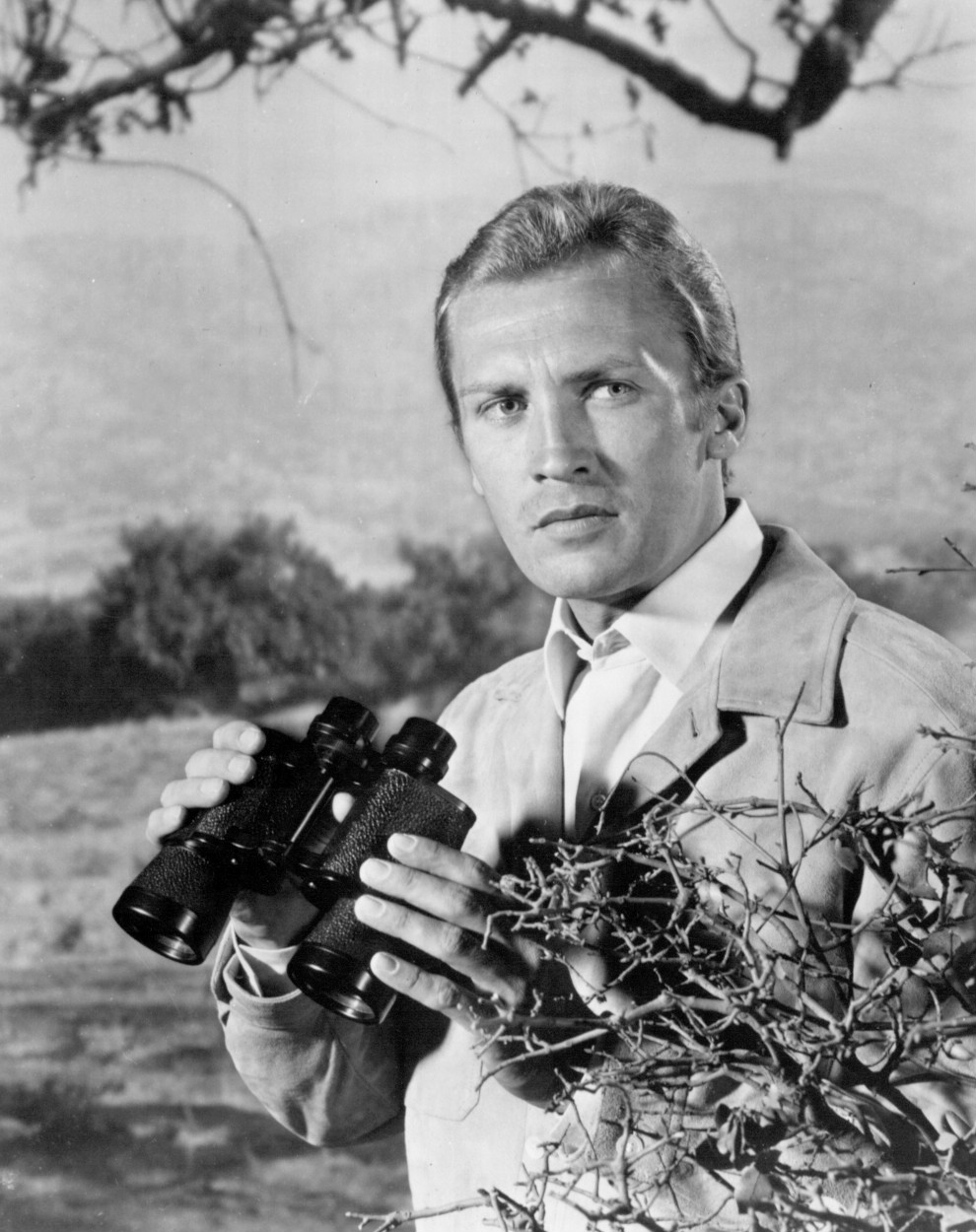
There are some television series that feel like they arrive with a wink, and others that land like a strange transmission in the middle of the night. The Invaders, which first appeared in 1967, belongs firmly in that second category. Created by Larry Cohen and led by the wonderfully intense Roy Thinnes, this science-fiction thriller turned paranoia into prime-time entertainment and did it with style, pace, and just the right amount of mystery.
For anyone who loves the atmosphere of classic television, this is a series that still has a real charge. It is suspenseful without becoming grim, imaginative without losing its human touch, and full of the kind of weekly cliff-edge tension that made viewers lean a little closer to the screen. In other words, it is exactly the kind of rediscovered gem that feels right at home in the world of classic hits: memorable, distinctive, and impossible to mistake for anything else.
A premise that grabs you in seconds
The opening is one of the great invitations in 1960s television. Architect David Vincent, played by Roy Thinnes, accidentally stumbles upon evidence that aliens have infiltrated Earth. These beings look human, move among us unnoticed, and are quietly preparing a takeover. Vincent knows the truth, but almost nobody believes him. That simple setup gives The Invaders its engine: one man chasing proof, warning others, and trying to stop a hidden enemy before it is too late.
It is a marvellous premise because it works on two levels at once. On the surface, you have a sleek science-fiction adventure with eerie visitors, dramatic escapes, and conspiracies around every corner. Underneath, you have something more unsettling and more interesting: a story about isolation, persistence, and the courage required to keep speaking when everyone else thinks you are mistaken.
That gives the series an emotional pull that goes beyond its science-fiction trappings. David Vincent is not just battling invaders. He is battling disbelief, exhaustion, and the lonely burden of being right too soon.
Roy Thinnes gives the series its heartbeat
A show like this rises or falls on its central performance, and Roy Thinnes is terrific. He brings David Vincent a sharp intelligence and a quiet determination that never feel forced. He does not play the role as a swaggering action hero. Instead, he gives us a believable man under pressure, alert and tired and driven all at once.
That choice is one of the reasons the series holds up so well. Vincent feels grounded. Even in the middle of extraordinary events, Thinnes keeps him recognisably human. He worries, he doubts, he pushes on. There is a seriousness to the performance, but also warmth. You want him to succeed, not simply because he is the lead, but because Thinnes makes his mission feel personal.
It is also worth noting how much the camera likes him. In close-up, with that searching expression and clipped urgency, he becomes the perfect guide through this uncertain world. He has the kind of screen presence that classic television thrived on: intelligent, calm under fire, and compelling even in silence.
That unmistakable 1960s atmosphere
One of the great pleasures of watching The Invaders today is its atmosphere. This is 1960s television at its most evocative. There are lonely roads, anonymous motels, office buildings with too much polished glass, suburban homes that suddenly feel unsafe, and shadowy industrial sites where something secret is always happening. The series turns ordinary American locations into places of unease, and it does so beautifully.
The black-and-white first season has a particularly haunting look. It gives the show a crisp, nocturnal quality that makes every empty corridor and every late-night encounter feel more dangerous. When the series moved into colour, it lost a little of that stark chill, but it gained a different appeal: a vivid, pop-era sheen that places it firmly in the late 1960s and makes the whole production feel larger and more adventurous.
For fans of classic culture, this is part of the fun. Watching The Invaders is not only about following the plot. It is about stepping into a period mood. The cars, the clothes, the interiors, the pacing, the guest stars: it all creates a time capsule with a pulse.
The music and mood do a lot of heavy lifting
Classic hits radio listeners know the power of atmosphere. A few notes, a certain rhythm, a familiar texture, and suddenly you are somewhere else. The Invaders understands that instinctively. Its theme and score help build a sense of urgency and unease without overwhelming the action. The music does what the best radio hooks do: it signals a feeling immediately.
That connection matters. Series like this linger in memory not just because of their stories, but because of their sound and mood. The tension in The Invaders is musical in its own way, rising and falling like a dramatic late-night set on the radio.
Behind the scenes, there was real ambition
Part of what makes the series so enjoyable is that it clearly aimed high. Larry Cohen, who created the show, brought a sharp, imaginative edge to the concept. He understood that fear becomes more effective when it slips into everyday life. Instead of presenting the alien threat as something distant and spectacular, he made it intimate and unnervingly close.
The production also made strong use of recurring visual ideas. The aliens themselves had memorable traits, and the series used those details cleverly to create suspense. There is a delight in seeing how each episode reveals danger through small signs and sudden discoveries rather than endless explanation.
And then there is the guest cast. Like many strong series of the era, The Invaders became a showcase for familiar faces, many of whom brought extra polish and personality to individual episodes. That gives the show another layer of pleasure for viewers who enjoy spotting seasoned television performers turning up in tense, unusual roles.
The magic of classic television often lives in commitment. The Invaders never behaves as though its premise is silly or disposable. It treats its world seriously, and that sincerity is exactly what makes it so entertaining.
Why it still works so well
Some older science-fiction series are enjoyable mainly as historical curiosities. The Invaders offers more than that. It still works because its central idea remains gripping. The fear of hidden forces, the anxiety of not being believed, the determination to keep searching for the truth: those themes are timeless.
Just as importantly, the show knows how to tell a story. Episodes move briskly. Stakes are established quickly. Suspense builds naturally. There is very little wasted motion. In a modern viewing landscape crowded with long, heavily explained storytelling, there is something refreshing about a series that can set up a mystery, tighten the screws, and deliver a satisfying hour of television with such confidence.
It also helps that the series is generous with memorable imagery. A deserted place at night. A face that seems ordinary until it suddenly is not. A warning nobody wants to hear. These are simple elements, but they are used with skill and flair.
A lonely hero, but never a dull one
The structure of the series could have become repetitive: David Vincent arrives, senses something is wrong, tries to convince sceptics, and races against time. Yet the show keeps this pattern lively by varying the settings, the personalities, and the moral choices around him. Sometimes the tension comes from whether he can expose the invaders. Sometimes it comes from whether he can save an innocent person before it is too late. Sometimes it rests on the painful possibility that he may once again be dismissed as a crank.
That emotional variety keeps the format fresh. It also makes Vincent an appealing companion across the series. He is not simply fighting monsters. He is navigating distrust, fear, and the occasional flicker of hope when someone finally believes him.
A classic worth rediscovering
Seen today, The Invaders feels like a beautifully preserved signal from a time when television could be elegant, eerie, and hugely entertaining all at once. It has the craftsmanship of classic network drama, the imaginative spark of vintage science fiction, and a lead performance that gives the whole enterprise credibility and heart.
For viewers who already love 1960s television, it is an easy recommendation. For those who have never tried it, this is a wonderful place to begin. It is accessible, atmospheric, and full of the kind of storytelling confidence that makes you want to watch just one more episode.
Most of all, it is fun in the best sense of the word. Not lightweight, not throwaway, but genuinely pleasurable: a series made with skill, conviction, and a clear understanding of how to keep an audience hooked. Like a great classic hit spinning out of the speakers, The Invaders has its own unmistakable identity. One encounter is often enough to recognise it. A few episodes later, you may find yourself wondering why you waited so long to tune in.
- Best reason to watch: Roy Thinnes and the irresistible tension of the central premise
- What makes it special: A blend of paranoia, polish, and pure 1960s atmosphere
- Perfect for: Fans of classic science fiction, suspense, and stylish vintage television