Spill the Wine
What many listeners miss is how daring this hit really was: part spoken dream, part Latin-funk groove, part radio magic. That unusual blend is exactly what keeps Spill the Wine sounding fresh every time it turns up on a classic hits playlist.
Few records capture the adventurous spirit of the early 1970s quite like Spill the Wine. It drifts in on a hypnotic groove, slips into a dreamlike spoken monologue, then opens out into something sultry, playful and slightly mysterious. On the radio, it still turns heads because it does not sound like anybody else trying to make a hit in 1970. It sounds like a doorway opening.
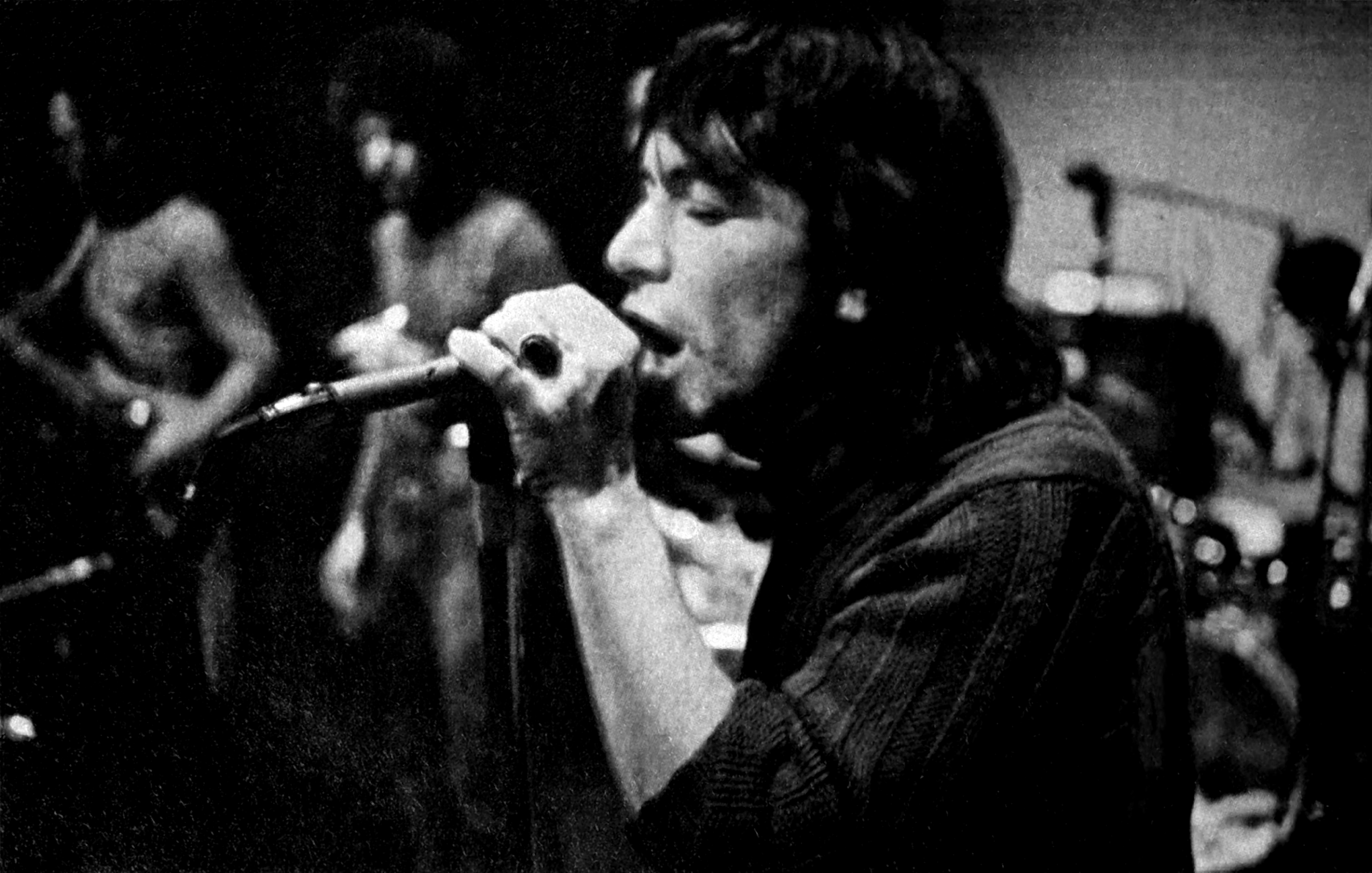
Credited to Eric Burdon and War, the song brought together two very different musical worlds: Burdon, the unmistakable former Animals frontman with a rough-edged, dramatic voice, and War, a young, deeply versatile Los Angeles band blending funk, soul, rock, jazz and Latin rhythms into one loose, irresistible pulse. The result was not just a successful single. It was a statement that popular music was changing shape right before listeners’ ears.
How a happy accident became a hit
A studio spill that sparked an idea
The origin story of Spill the Wine has become part of rock folklore, and it is one of those tales that feels almost too perfect to be true. During recording sessions, someone accidentally spilled wine on the mixing console. Eric Burdon reportedly reacted with the line,
That striking phrase lodged in the room, and soon it became the seed of a song.“Spill the wine, take that pearl.”
Like many great studio stories, the charm lies in how casual the beginning was. A mishap, a tossed-off remark, a flash of imagination — and suddenly the room had a concept. From there, the band built something far more unusual than a standard single. Rather than driving toward a big chorus in the conventional pop sense, Spill the Wine leans into atmosphere. It feels half song, half cinematic vignette.
Built from groove, mood and spoken theatre
The track was recorded for the 1970 album Eric Burdon Declares “War”, produced by Jerry Goldstein, who would become a major figure in War’s story. Goldstein had a sharp ear for records that could keep their musical edge while still reaching a broad audience, and Spill the Wine was exactly that kind of balancing act.
What makes the recording so memorable is the tension between Burdon’s spoken-word delivery and War’s fluid, sensual backing. Burdon does not sing the opening in the usual way; he narrates it, almost like a late-night storyteller describing a surreal vision. Behind him, the band creates a humid, shimmering backdrop full of percussion, bass movement, organ colour and a laid-back but precise rhythm. It is a groove record, but also a character piece.
That combination gave the song a dream sequence quality. The lyrics unfold like a hallucinatory travelogue: a field, a woman, a strange invitation, a sense of pleasure and disorientation. In another artist’s hands, it might have sounded self-conscious. Here, it sounds effortless.
The people who made it happen
Eric Burdon meets a remarkable band
By 1969, Eric Burdon was already famous from his work with the Animals and for classics such as House of the Rising Sun and We Gotta Get Out of This Place. But he was also searching for something new. He found it in a band then known as Nightshift, a multicultural Los Angeles group with extraordinary rhythmic range. Burdon encouraged them to change their name to War, a bold and provocative choice meant to reflect conflict, tension and social reality.
The musicians in War were central to the magic of Spill the Wine. Key members included:
- Howard E. Scott – guitar
- Harold Brown – drums
- B.B. Dickerson – bass
- Lonnie Jordan – keyboards and vocals
- Charles Miller – saxophone, flute and vocals
- Lee Oskar – harmonica
- Papa Dee Allen – percussion
That line-up mattered. War were not a band built around one texture. They could sound earthy, jazzy, streetwise, celebratory and dangerous, sometimes all within the same track. Spill the Wine works because every player contributes to the atmosphere rather than crowding it.
Songwriting credits and the shared chemistry
The song was credited to Eric Burdon, Howard E. Scott, Harold Brown, B.B. Dickerson, Lonnie Jordan, Charles Miller, Lee Oskar and Papa Dee Allen. That tells its own story. This was not simply Burdon arriving with a finished composition and a backing band filling in the gaps. It was a collaborative creation shaped by the personalities in the room.
That collective method was very much in line with War’s identity. Their records often felt grown rather than assembled, with grooves developing organically and arrangements carrying the marks of live interplay. Burdon brought the voice, image and narrative flair; War brought the rhythmic language and musical landscape.
A hit that stood out in 1970
Climbing the charts
Spill the Wine became a major commercial breakthrough. Released as a single in 1970, it reached No. 3 on the Billboard Hot 100 in the United States and also performed strongly internationally. For many listeners, it was their first introduction to War, even though Burdon’s name was the more familiar one at the time.
Its success is especially impressive when you consider how unconventional the record was. This was not a tidy three-chord pop single with a straightforward vocal hook. It was moody, rhythmic, spoken in places, and full of Latin-inflected colour. Yet radio embraced it, and audiences did too. That says a great deal about the appetite listeners had in 1970 for records that felt fresh and slightly daring.
Critical and commercial appeal
The song’s commercial reception helped establish the Burdon-War collaboration as more than a curiosity. It proved there was a market for music that crossed genre lines without smoothing out its edges. It also opened the door for War’s later success on their own, when they would go on to score major hits including All Day Music, Slippin’ into Darkness, The Cisco Kid, Why Can’t We Be Friends? and Low Rider.
In that sense, Spill the Wine was both a hit single and a launch signal. It introduced the wider public to a band whose sound would become one of the defining blends of the decade.
Behind the scenes and inside the groove
A record with a cinematic feel
One of the most enjoyable things about Spill the Wine is how visual it is. Burdon’s narration does not merely describe events; it stages them. You can almost see the hazy colours, the slow movement, the exotic fantasy of it all. That theatrical quality was one of Burdon’s great gifts. He knew how to inhabit a lyric and turn it into a scene.
War, meanwhile, understood restraint. The band never overwhelms the story. Instead, they create a sensual frame around it, using percussion and groove the way a film composer might use lighting. That is a large part of the song’s enduring appeal: it leaves space for the listener’s imagination.
The single version and the album version
Like many records of the era, Spill the Wine existed in slightly different forms depending on where and how people heard it. Single edits helped make the song radio-friendly, while album listeners could sink further into the atmosphere. That was common in the period, when artists and producers often had to balance adventurous studio ideas with the practical demands of commercial radio.
The track also helped cement Burdon’s image as an artist willing to take risks after the Animals years. He could have stayed in a familiar lane. Instead, he stepped into a looser, more experimental musical environment and sounded completely alive in it.
Its place in the wider musical moment
When rock, funk, soul and Latin rhythms started mixing freely
To really appreciate Spill the Wine, it helps to place it in the broader musical landscape of 1970. Popular music was opening up in every direction. Psychedelia had loosened song structures. Soul music was getting deeper and more political. Funk was becoming sharper and more rhythm-driven. Jazz influences were slipping into rock. Latin percussion and cross-cultural arrangements were appearing in more mainstream settings.
War stood right at that crossroads. They were one of the most naturally hybrid bands of the era, and Spill the Wine captures that beautifully. It is not a pure rock song, not a pure funk track, not simply soul, and not just a novelty spoken-word hit. It is a blend that reflects urban America, club culture, live-band improvisation and the anything-can-happen energy of the period.
A sign of where radio was heading
The song also points toward a broader shift in what hit radio could accommodate. By 1970, listeners were increasingly willing to embrace records with unusual textures, ambiguous moods and genre-bending arrangements. Spill the Wine fit that moment perfectly. It was accessible, but it was not predictable.
That matters when we look back at classic hits now. The records that endure are often the ones that gave audiences something distinctive at first listen. A few seconds into Spill the Wine, you know exactly what record it is. That kind of identity is priceless.
The legacy of a dreamlike classic
Still seductive, still surprising
More than five decades later, Spill the Wine remains one of those records that can change the mood of a room. It has swagger without force, mystery without pretension, and a groove that never hurries. It also represents an important meeting point between an established rock voice and a band whose best years were still ahead of them.
For Eric Burdon, it was a memorable reinvention. For War, it was a breakthrough introduction. For listeners, it was an invitation into a stranger, richer, more rhythmically adventurous side of popular music.
And perhaps that is the real secret of the song’s staying power. It does not just ask you to hear it. It asks you to step inside it. On a classic hits station, surrounded by so many great records from its era, Spill the Wine still glides in like a whispered story over candlelight and congas — and suddenly 1970 feels wonderfully close again.