The Twilight Zone vs. The Outer Limits — Which One Still Owns the Night?
Which classic series truly owned late-night television: Rod Serling's elegant realm of twists, or the colder, creature-filled universe of The Outer Limits? This is one of those timeless pop-culture debates that still feels right at home beside the greatest records of the era.
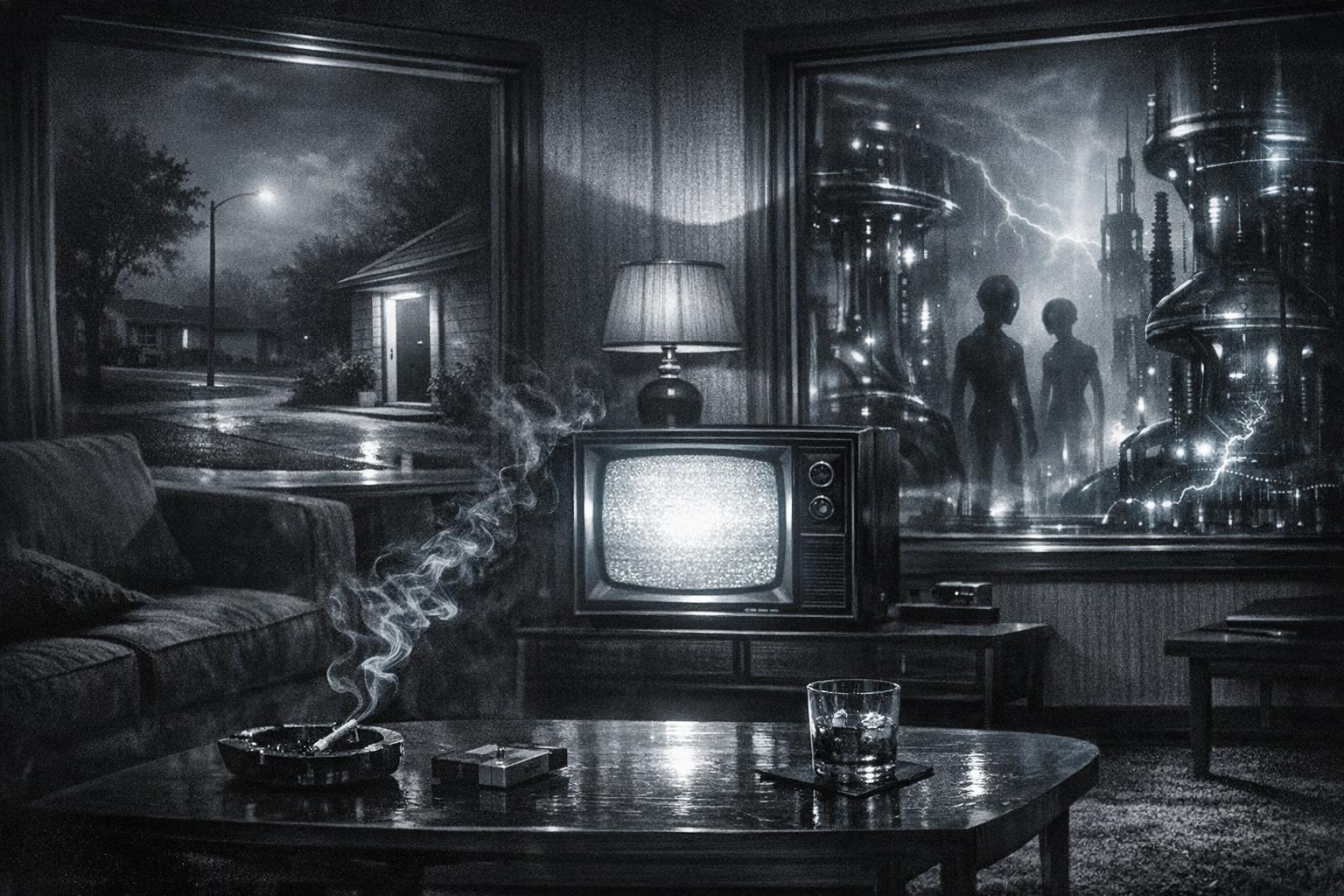
Late at night, with the room gone quiet and the television casting that familiar silver glow, two names still send a little shiver down the spine: The Twilight Zone and The Outer Limits. For anyone who loves classic entertainment, this is one of those great friendly debates, right up there with favourite Beatles albums or the best Motown single side. Which anthology series truly ruled the strange, the eerie, and the imaginative?
The honest answer is that both earned their place in television history. But they got there in very different ways. One invited you into a world of irony, morality, and human nature with Rod Serling as your unforgettable guide. The other arrived with a colder stare, a deeper hum of science fiction, and creatures that looked as though they had crawled out of a fever dream in the best possible way.
So let us dim the lights, tune in the ghosts of late-night broadcasting, and step back to a time when black-and-white television could feel bigger than any modern special effect.
Two shows, two frequencies
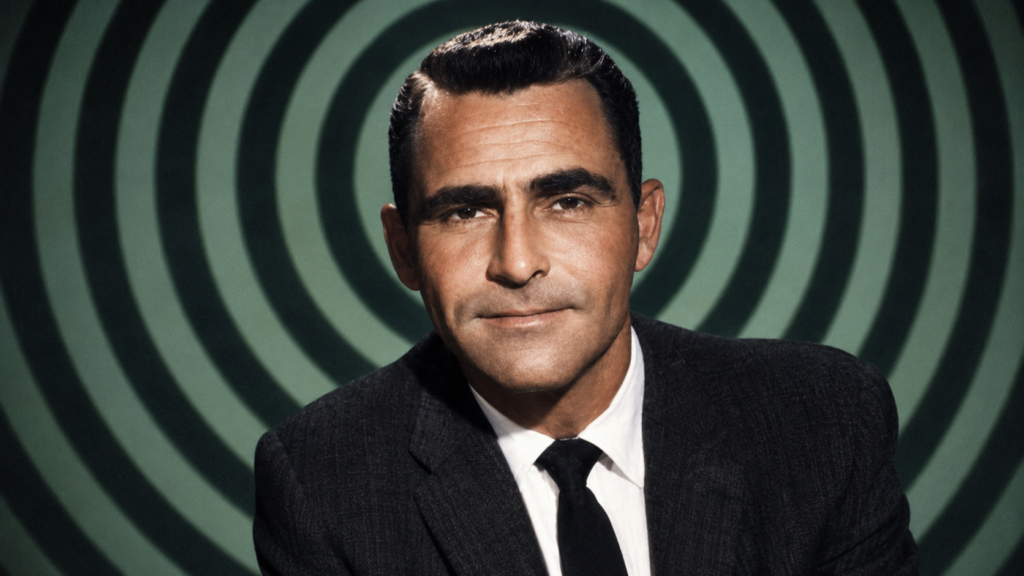
The Twilight Zone premiered in 1959 and quickly became something special. Created by Rod Serling, it was not just a science fiction series. It was a fantasy series, a horror series, a moral fable, and sometimes a sly social critique wrapped in a half-hour story. One week you might meet a lonely astronaut, the next a nervous commuter, the next a small-town bully with terrifying powers. The settings changed, the characters changed, but the voice remained unmistakable.
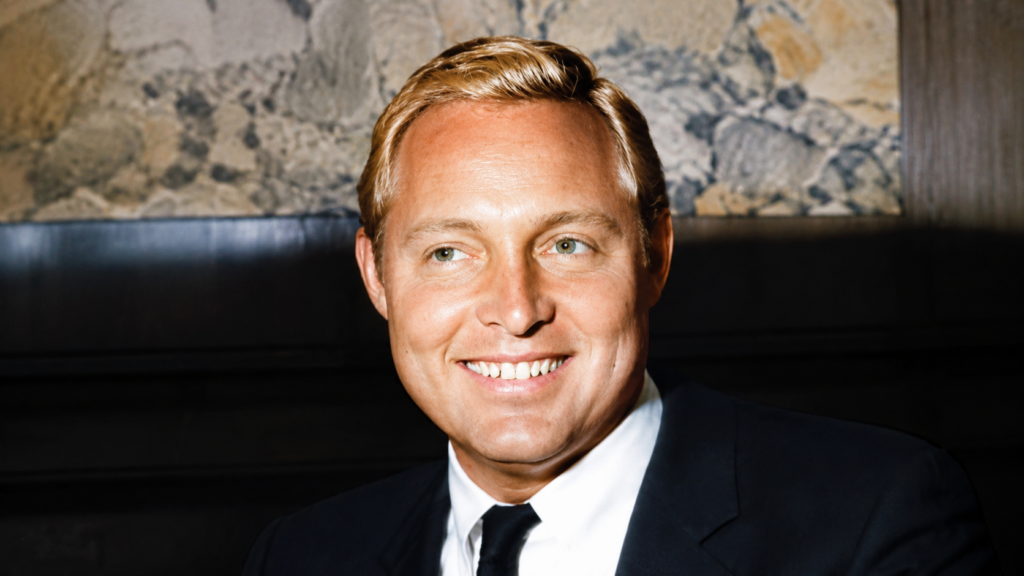
The Outer Limits arrived in 1963 with a different pulse. Created by Leslie Stevens and shaped significantly by producer and writer Joseph Stefano, it leaned more directly into science fiction and televised unease. If The Twilight Zone often felt like a sharp short story, The Outer Limits felt like a transmission from somewhere unknown. It was moodier, more visually aggressive, and often more interested in alien contact, scientific overreach, and the fear of what might be waiting just beyond the edge of understanding.
That difference is exactly why the comparison remains so much fun. These were not copies of one another. They were neighbours on the same strange street, each with its own house style.
The case for The Twilight Zone
Rod Serling was the perfect host
There are television presenters, and then there are figures who become part of the mythology. Rod Serling did not simply introduce episodes. He set the mood with that calm, precise voice and those elegant opening monologues that could make the ordinary seem uncanny in a matter of seconds.
Serling also brought serious dramatic weight behind the scenes. Frustrated by censorship and limitations in live television drama, he found that speculative storytelling gave him a clever way to explore prejudice, fear, conformity, war, and loneliness. In other words, the strange stories had something very real beating underneath them.
That is one reason The Twilight Zone has endured so strongly. It was never only about twists. It was about people.
The episodes became cultural landmarks
Even listeners who have not seen every episode usually know the titles. Time Enough at Last. The Monsters Are Due on Maple Street. Nightmare at 20,000 Feet. Eye of the Beholder. These are not just old television episodes. They are part of the language of popular culture.
The brilliance of the series was its range. It could be heartbreaking, funny, terrifying, or deeply ironic. Some stories ended with a sting, others with sadness, and a few with genuine tenderness. That emotional variety gave the show a richness that still feels fresh.
What made The Twilight Zone so powerful was simple: it could make you think just as quickly as it could make you gasp.
It turned limitations into style
Television budgets in that era were hardly generous, yet the series often used its constraints beautifully. Shadows, silence, close-ups, sparse sets, and clever editing did a great deal of work. Rather than feeling small, many episodes feel intimate and concentrated, like little stage plays haunted by the impossible.
And because the stories were so tightly written, they rarely wasted a moment. That economy gave the best episodes the snap of a great pop single: concise, memorable, and built to hit hard.
The case for The Outer Limits
It delivered pure science fiction atmosphere
If The Twilight Zone often stepped into fantasy and allegory, The Outer Limits embraced the laboratory, the spacecraft, the distant planet, and the unknown intelligence. Its opening narration alone remains one of the great invitations in television history, with that commanding promise that the series would control what you saw and heard.
There was something deliciously bold about it. The show did not merely suggest unease. It announced it.
For viewers who wanted their anthology drama with more cosmic mystery and a stronger current of scientific dread, this was the one. It captured that early-1960s fascination with the Space Age, nuclear fear, and the thrilling possibility that humanity was not alone.
The monsters were unforgettable
Let us be honest: The Outer Limits knew the power of a great creature design. The series gave audiences aliens and entities that were bizarre, menacing, and often strangely beautiful in black and white. The famous episode The Zanti Misfits alone planted images in viewers’ minds that stayed there for years.
Behind the scenes, that visual ambition mattered. The programme worked hard to create otherworldly beings on a television schedule, and the effort shows. Even when the effects seem charmingly vintage now, they still carry imagination and personality. You can feel the craftsmen stretching every dollar to put something uncanny on screen.
It was darker, sharper, and sometimes more haunting
Where The Twilight Zone often winked with irony, The Outer Limits could feel more severe. There was a chill in many of its stories. Scientists made dangerous discoveries. Outsiders were feared. Humanity was tested not just morally, but biologically and existentially.
That edge gave the series a distinct flavour. It was not always as broadly accessible, perhaps, but when it landed, it landed hard. For some fans, that intensity is exactly why it deserves the crown.
Behind the scenes: the minds shaping the mystery
Part of the pleasure in revisiting both series is remembering how much personality sat behind the camera and at the typewriter. Rod Serling was the central creative force of The Twilight Zone, but the show also benefited from remarkable writers including Richard Matheson and Charles Beaumont, men who understood how to blend fantasy with human vulnerability.
The Outer Limits, meanwhile, had Joseph Stefano bringing a psychological charge to many scripts, while directors and designers helped create a visual identity that was more intense and stylised than much of television at the time.
Both programmes also drew terrific actors. Before some performers became household names, they were already turning up in these eerie little dramas, giving them far more credibility than their modest budgets might suggest. That is another reason the shows still play so well today. The acting is committed. Nobody is treating the material as silly.
Why classic hits listeners still love this debate
There is a reason this conversation feels right at home on a classic hits station blog. These series belong to the same broad cultural memory as the great songs of the era. They remind us of a time when families gathered around one screen, when opening themes could set a mood instantly, and when black-and-white entertainment had a magic all its own.
Like a beloved old record, both shows reward repeat visits. You return for the familiar highlights, then discover a deep cut you had forgotten. One episode suddenly speaks to the present in a new way. Another delights you with a line reading, a camera move, or a twist you somehow never saw coming.
And just like music fans debating their favourite artists, television fans enjoy choosing sides because both options are so strong. It is a conversation powered by affection, not rivalry.
So which was the ultimate sci-fi anthology?
If the question is which series had the broader cultural impact, the answer is probably The Twilight Zone. It became the bigger landmark, the more quoted title, and the one with the strongest hold on the public imagination. Rod Serling’s presence, the literary quality of the scripts, and the extraordinary consistency of its best episodes gave it a reach beyond genre television.
But if the question is which series delivered the purest jolt of eerie science fiction, many would argue for The Outer Limits. It had a bolder alien pulse, a darker visual mood, and a willingness to feel genuinely unsettling in a very specific, very memorable way.
- Choose The Twilight Zone if you love human drama, moral twists, and stories that linger in the mind.
- Choose The Outer Limits if you want cosmic unease, striking monsters, and science fiction with a colder edge.
Our verdict? The Twilight Zone may just edge it as the ultimate all-round anthology, thanks to its astonishing writing and lasting cultural power. But The Outer Limits remains the essential late-night companion for anyone who likes their science fiction a little stranger and their shadows a little deeper.
In the end, the real winner is the viewer. Few things are more satisfying than rediscovering these shows, hearing those opening narrations, and feeling that old spark again. Like the first crackle of a favourite song on the radio, they take you somewhere instantly. Somewhere mysterious. Somewhere unforgettable.