Undercover After Dark — 10 American Spy Series That Still Feel Cool
From coded messages to synth-driven suspense, these American spy series from the 1970s and 1980s still deliver style, intrigue, and a rich dose of retro atmosphere. Here are 10 favourites that bring back the fashion, music, and gadget-filled glamour of the era.
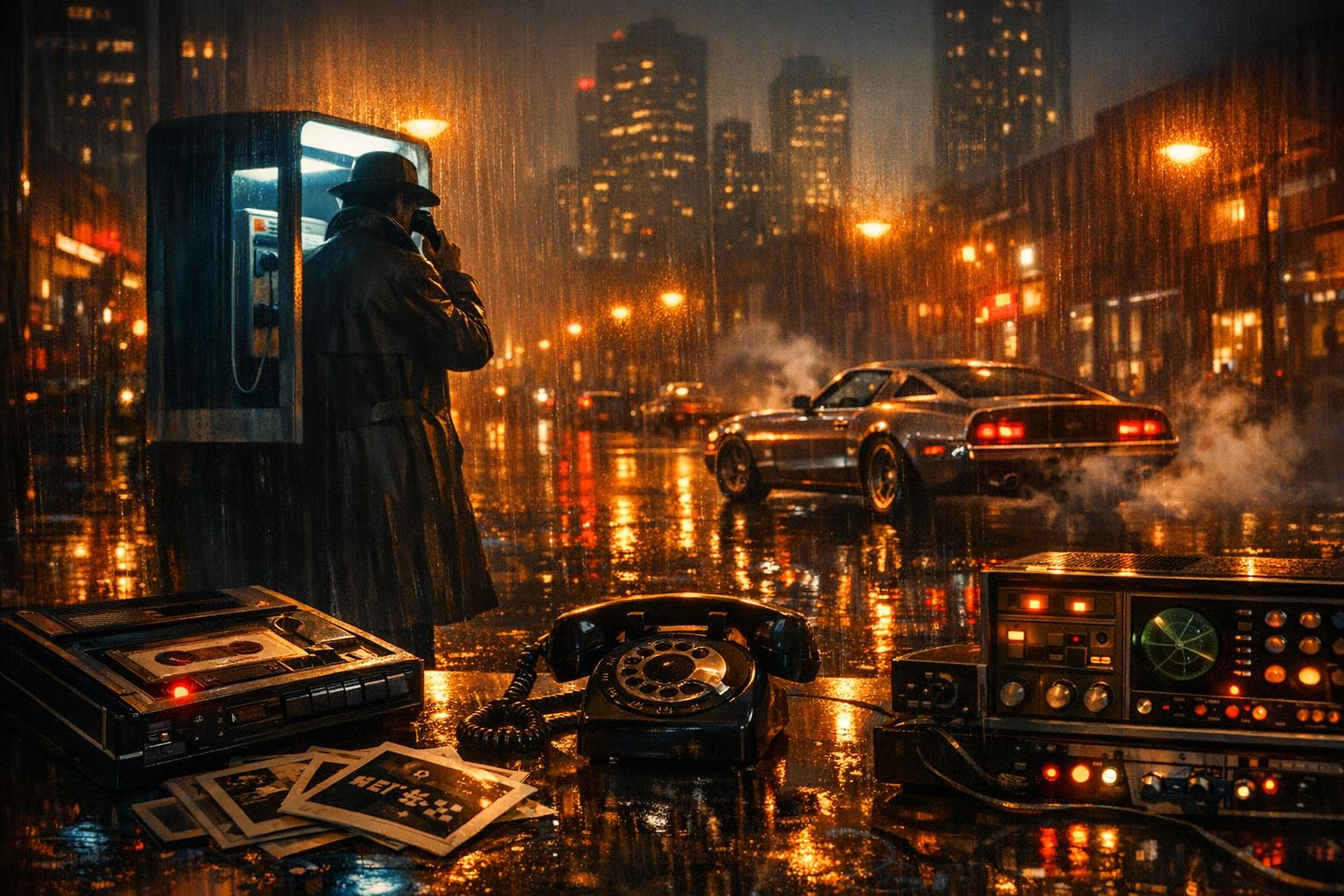
There is something irresistible about a good spy series from the 1970s and 1980s. The trench coats, the coded phone calls, the smoky city streets, the blinking control panels that looked impossibly advanced at the time — it all carries a kind of stylish tension that still feels exciting today. For many viewers, these shows were not just weekly television. They were a doorway into a whole mood: part mystery, part glamour, part Cold War nerves, with a pop culture pulse beating underneath.
And for those of us who love classic hits, these series bring back more than plots and characters. They revive the whole atmosphere of the era: the synthesizers, the disco shimmer, the power suits, the sports cars, the analog gadgets, and that sense that danger could be lurking just beyond the next commercial break.
Why spy television still pulls us in
Spy stories have always offered a delicious blend of fantasy and realism. In the 1970s and 1980s, American television gave that formula a distinctive look. Some series leaned into international intrigue. Others mixed espionage with action, crime, comedy, or science fiction. But they all shared one thing: style.
Today, that style is having another moment. Retro fashion keeps circling back, from wide lapels and leather jackets to oversized sunglasses and sharp tailoring. Interior design has rediscovered warm wood tones, chrome accents, glass block, and low-lit lounge drama. Even technology nostalgia has become part of the fun. Old cassette players, rotary phones, clunky keyboards, and early digital watches now feel charming rather than outdated.
Part of the appeal is simple: these shows were made before the internet flattened mystery. Information moved slowly. Messages had to be hidden, delivered, intercepted. A glance across a restaurant meant something. A photograph could change the whole case. A tape recorder was not just a prop — it was a clue.
10 American spy series from the 70s and 80s worth revisiting
1. Mission: Impossible (1966-1973)
Although it began in the 1960s, Mission: Impossible remained a major force into the early 1970s and helped shape the television spy template. The disguises, the elaborate team planning, the famous self-destructing messages — it all felt sleek and clever. Lalo Schifrin’s theme remains one of television’s most recognisable pieces of music, and it still sounds like pure adrenaline.
Watching it now, you can enjoy the precision of the storytelling and the cool confidence of its world. It is less about explosions and more about strategy, which gives it lasting appeal.
2. Mannix (1967-1975)
Not a spy show in the strictest sense, but very much part of the same stylish action universe, Mannix often played like a private-eye cousin to espionage television. Mike Connors brought charisma and grit, and the series had plenty of surveillance, covert operations, and international danger. It also had one of those wonderful opening themes that instantly places you in a very specific era of television cool.
3. Switch (1975-1978)
Robert Wagner and Eddie Albert gave Switch a breezy, playful energy. The show focused on con men turned problem-solvers, but many episodes drifted into undercover work and intelligence-style capers. It is a reminder that 1970s American TV loved blending genres. Spy drama did not always wear a tuxedo. Sometimes it smiled, improvised, and drove away in a very attractive car.
4. Charlie’s Angels (1976-1981)
Yes, it was detective television, but Charlie’s Angels often operated with the glamour, disguises, and covert setups of a spy series. It became a cultural lightning bolt, influencing fashion, hair, and television itself. The Angels could slip into almost any world — casinos, embassies, luxury estates, fashion houses — and each mission came wrapped in polished 1970s style.
Its legacy also says something important about nostalgia: people do not only remember plots. They remember silhouettes, theme music, and the feeling of wanting to be part of that world.
5. The New Avengers (US broadcasts in the late 1970s)
Though a British production, it found a strong audience on American television and deserves a nod because it sat comfortably in the same viewing habits. With Patrick Macnee returning from The Avengers, the show delivered eccentric espionage, witty dialogue, and a polished international look. For American viewers of the period, it was part of the broader spy-TV menu and a stylish one at that.
6. Scarecrow and Mrs. King (1983-1987)
This one is a true charmer. Kate Jackson and Bruce Boxleitner made an unlikely but irresistible team: an ordinary suburban mother drawn into the world of espionage by a seasoned operative. The show balanced suspense with warmth and humour, which is one reason it still feels so watchable. It also captured 1980s Washington style beautifully — trench coats, office tech, and just enough danger to keep things sparkling.
Classic Gold note: If any show proves that spy stories can be cosy as well as thrilling, this is the one.
7. Airwolf (1984-1987)
If your taste in espionage comes with rotor blades and a thundering synthesizer score, Airwolf is your show. Built around a high-tech military helicopter and secret missions, it brought Cold War tension into the action-adventure lane. Jan-Michael Vincent gave it brooding star power, while the electronic music and glossy hardware made it peak 1980s television.
This is also where nostalgia meets technology fascination. What once looked futuristic now feels wonderfully tactile. Buttons clicked. Screens glowed. Machines hummed. The future had weight.
8. MacGyver (1985-1992)
Again, not purely a spy series, but impossible to ignore in any conversation about covert 1980s adventure on American TV. Richard Dean Anderson’s resourceful hero was often caught in international conflicts, secret operations, and intelligence-related missions. What made MacGyver stand out was its optimism. Brains mattered more than brute force. A paper clip and a cool head could save the day.
That inventive spirit still resonates in an age when many people are drawn to retro problem-solving and hands-on hobbies.
9. The Equalizer (1985-1989)
Edward Woodward’s Robert McCall was a former intelligence operative who used his skills to help ordinary people. The show had a darker, moodier edge than many of its contemporaries. New York looked shadowy and dangerous, and the stories often carried a real emotional sting. Stewart Copeland’s music gave it a modern pulse, proving how important sound was to the atmosphere of 1980s television.
This is one of those shows that feels especially powerful late at night, when the city outside is quiet and the opening theme starts to build.
10. Mission: Impossible (1988-1990 revival)
The 1980s revival brought the famous format back for a new audience, with Peter Graves returning. It updated the look while keeping the core pleasures intact: disguises, deceptions, and missions that depended on teamwork. If the original series belongs to the sleek side of 1970s cool, this revival belongs to the harder-edged, electronic world of late-1980s action.
The era around the shows — fashion, music, and machines
Part of the joy of revisiting these series is everything happening around the edges. The clothes alone are worth the trip. In the 1970s, spy-adjacent television loved flared trousers, patterned shirts, velvet jackets, and dramatic collars. By the 1980s, the look sharpened into structured blazers, monochrome dresses, leather gloves, and elegant overcoats. Everyone seemed to know how to enter a room.
Then there is the music. Spy television themes from this era were miniature masterpieces. Some had brassy swagger. Others pulsed with funk or electronic tension. If you grew up listening to classic hits radio, you can hear the same musical world all around these shows — disco rhythms, jazz-funk touches, dramatic strings, and later, those unmistakable synthesizers that made everything feel urgent.
Even the gadgets have become part of the retro romance. Before smartphones did everything, devices had one job and looked fantastic doing it. Hidden microphones, coded watches, car phones, reel-to-reel tapes, chunky control desks — these props now feel as memorable as the stars.
Why retro aesthetics feel so good right now
There is comfort in style with character. Modern design often aims for seamless simplicity, but the 1970s and 1980s gave us texture. Brass lamps. Smoked glass. Neon signs. Vinyl seats. Wood panelling. Mechanical switches. Retro aesthetics invite us to notice the details.
They also connect us to shared rituals. Watching a spy series once meant settling into the sofa at a certain hour, perhaps with family nearby, while the theme tune announced that adventure was on the way. That memory still matters. Nostalgia is not just about looking back. It is about reconnecting with how entertainment made us feel.
I still remember seeing reruns of these kinds of shows on a quiet afternoon and being completely drawn in by the opening credits alone. Before I understood the plots, I understood the mood. The music told you that secrets were everywhere. The clothes told you confidence mattered. The lighting told you this world had corners.
How to bring that spy-era magic into your own routine
- Plan a retro viewing night: Pick two episodes from different decades, dim the lights, and make it an occasion rather than background viewing.
- Build a themed playlist: Mix television themes with classic hits from the same years — funk, synth-pop, soft rock, and a little dramatic instrumental music.
- Dress for the mood: A sharp jacket, oversized sunglasses, or a silk scarf can make an ordinary evening feel delightfully cinematic.
- Go analog for an hour: Put the phone away, write a note by hand, play a record, and let the slower pace do its work.
- Look for the design details: Posters, vintage lamps, chrome barware, or an old radio can bring a little espionage-era style into your space.
One last coded message
The best American spy series from the 1970s and 1980s offered more than suspense. They gave us a whole lifestyle fantasy, wrapped in memorable music, bold design, and just enough danger to keep us hooked. Whether you prefer the careful planning of Mission: Impossible, the warmth of Scarecrow and Mrs. King, or the high-tech thunder of Airwolf, these shows still know how to make an entrance.
And maybe that is why we keep returning to them. In a fast, overconnected world, retro spy television reminds us that mystery can be elegant, technology can be theatrical, and a great theme tune can still make your pulse quicken before a single word is spoken.