
Why Cecilia Still Sounds Like Trouble
Why does "Cecilia" still light up classic hits radio after all these years? Because Simon & Garfunkel turned a loose, handclapping studio idea into one of pop's most irresistible records.
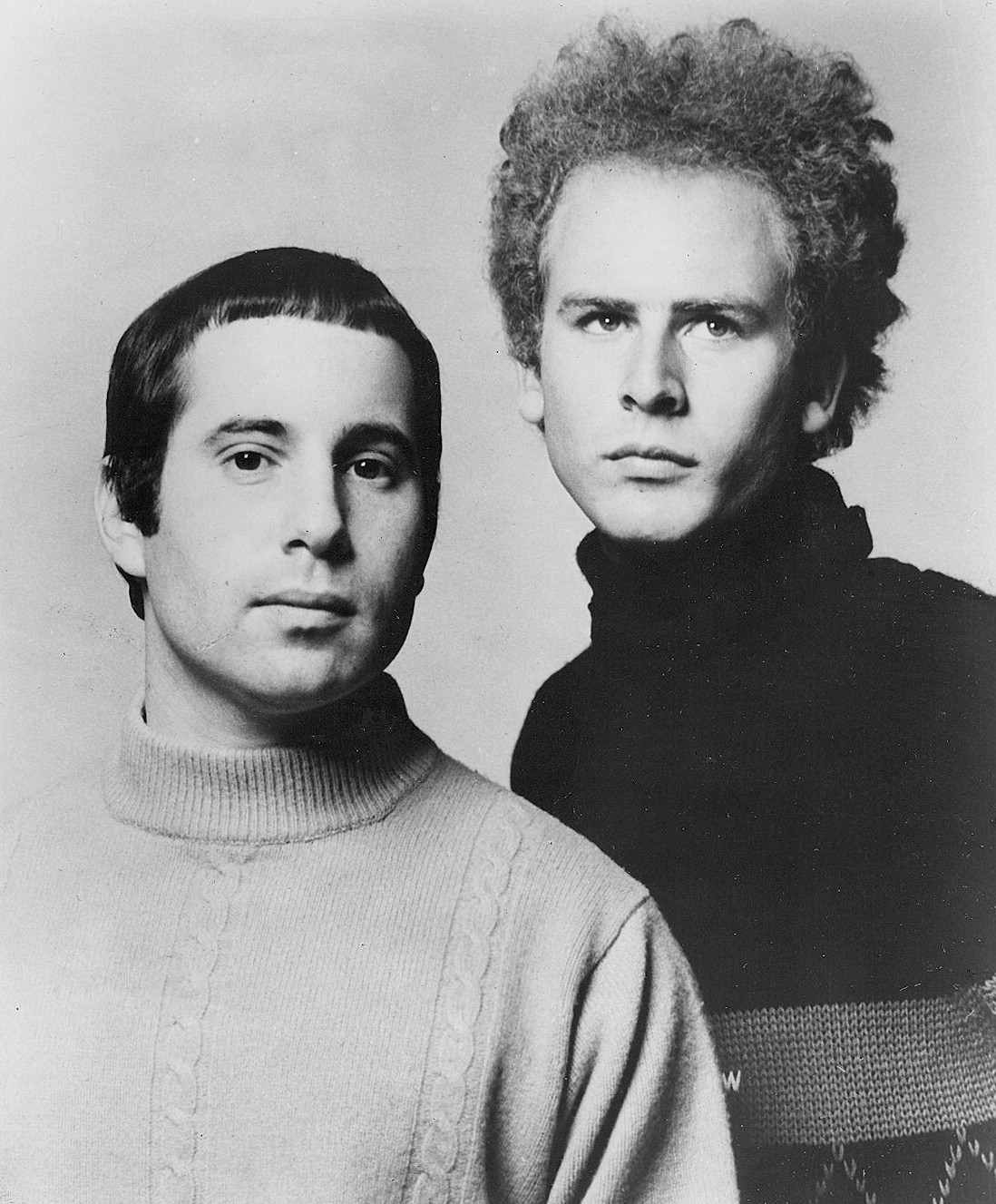
Few songs capture the spark of a late-night idea quite like “Cecilia”. Released in 1970 on Simon & Garfunkel’s landmark album Bridge Over Troubled Water, it arrived with handclaps, pounding rhythm, and a grin on its face. Even among the duo’s most cherished recordings, this one stands apart: playful, slightly ragged, instantly catchy, and full of personality. More than half a century later, it still leaps out of the radio speaker with the same mischievous energy.
For listeners, “Cecilia” feels effortless. Behind that breezy charm, though, sits a fascinating story of experimentation, studio craft, and a partnership nearing its end. It is a song born from spontaneity, shaped by meticulous production, and carried into pop history by one of the most distinctive duos of the era.
A rhythm first, a song second
How the idea took shape
Unlike many classic pop songs that begin with a melody at a piano or a lyric scribbled in a notebook, “Cecilia” reportedly grew out of a rhythm experiment. Paul Simon has said the foundation came from an informal jam involving percussion and recorded sound, with a table-top beat and handclaps helping create the song’s unforgettable pulse. That rough, homemade groove became the heartbeat of the finished record.
It is part of what makes “Cecilia” so appealing. You can almost hear the room in it. The rhythm has a human looseness rather than a polished, machine-like precision, and that gives the track its buoyant life. Simon then built a song around that beat, writing lyrics about romantic frustration with a wink rather than a sigh.
The title character, Cecilia, has often been interpreted in different ways. On the surface, she is the unreliable lover who keeps breaking the singer’s heart and disrupting his life. Some listeners have also connected the name to Saint Cecilia, the patron saint of music, reading the song as a playful complaint about inspiration itself arriving and disappearing on its own terms. Simon has never pushed the song too heavily into one fixed meaning, and that ambiguity has only added to its charm.
A song with motion in its bones
One reason “Cecilia” feels so alive is that it never sits still. The acoustic guitar drives it forward, the percussion bounces around the vocal, and the famous singalong refrain lands with almost communal joy. It sounds less like a carefully preserved studio artefact and more like something happening right in front of you.
That was very much in keeping with a period when pop and rock artists were increasingly interested in texture, atmosphere, and unconventional recording methods. By 1970, the studio was no longer just a place to document a performance. It had become an instrument in its own right. “Cecilia” uses that freedom beautifully, but without losing the warmth of a simple, memorable song.
The people behind the record
Paul Simon, Art Garfunkel, and Roy Halee
Paul Simon wrote the song and supplied its central concept, melody, and lyrical wit. His gift here was to make frustration sound joyous. The words tell a story of emotional chaos, yet the music practically dances.
Art Garfunkel, of course, was essential to the Simon & Garfunkel sound. His vocal contribution helped lift the chorus into the air, giving the record that bright, open quality fans know so well. Even when Simon’s songwriting took the lead, Garfunkel’s presence added the unmistakable blend that made the duo special.
Then there was Roy Halee, the brilliant engineer and producer closely associated with Simon & Garfunkel’s greatest work. Halee was a master at capturing detail and atmosphere, and his role in shaping the sound of Bridge Over Troubled Water was enormous. On “Cecilia,” that meant preserving the raw excitement of the rhythm idea while turning it into a fully formed hit record.
Studio players and arrangement touches
As with many major recordings of the era, session musicians helped flesh out the arrangement, though the record’s identity rests less on flashy instrumental solos and more on its collective feel. The acoustic strumming, bass movement, percussion accents, and layered vocals all work in service of the groove. It is a lesson in restraint: every element matters, but nothing gets in the way of the song’s momentum.
That was one of the hallmarks of top-tier production in the late 1960s and early 1970s. Records could be ambitious without becoming crowded. “Cecilia” sounds full, but it also breathes.
Chart success and public reaction
A major hit in 1970
When “Cecilia” was released as a single in 1970, it quickly found a wide audience. In the United States, it reached No. 4 on the Billboard Hot 100. In the United Kingdom, it climbed to No. 2, confirming that Simon & Garfunkel’s appeal remained enormous on both sides of the Atlantic. It also performed strongly in several international markets, adding to the duo’s already formidable run of global success.
That commercial response makes perfect sense when you hear the song in context. Bridge Over Troubled Water contained grand, emotionally rich material, including the title track and “The Boxer.” “Cecilia” offered something different: lighter on its feet, instantly accessible, and impossible not to tap along with. It gave radio programmers and listeners a bright, rhythmic contrast to the album’s more solemn moments.
Why radio never let it go
Classic hits radio has always loved records that create an immediate mood, and “Cecilia” does exactly that. Within seconds, the beat announces itself. Then comes the vocal hook, and suddenly the whole room is involved. It is the kind of song that feels familiar even on first hearing, which is a rare gift.
That staying power is not only about nostalgia. It is about construction. The chorus is simple but not bland, the rhythm is unusual without being difficult, and the performance has just enough rough edge to feel human. Those qualities help explain why it remains a regular and welcome presence on oldies and classic hits playlists.
Behind the scenes on a changing partnership
Recorded during a complicated period
One of the most intriguing aspects of “Cecilia” is where it sits in the Simon & Garfunkel story. By the time Bridge Over Troubled Water was being completed, the duo’s relationship had become strained. Their creative partnership had produced extraordinary music, but personal and professional tensions were increasingly difficult to ignore.
That makes the exuberance of “Cecilia” all the more remarkable. Here was a song bursting with energy at a moment when the partnership behind it was nearing its close. In a way, it serves as a reminder that great records do not always emerge from calm circumstances. Sometimes they come from friction, urgency, and the knowledge that time together may be limited.
Anecdotes that add to the magic
Among the most enduring stories around the song is the idea that its percussion grew from casual experimentation rather than a formal studio blueprint. That image fits the record perfectly: hands clapping, surfaces being struck, a groove discovered almost by accident, then refined into pop gold.
There is also the delicious contrast at the centre of the lyric. The singer is being mistreated, kept awake, knocked emotionally off balance, and yet the whole thing is delivered with a spring in its step. That tension between complaint and celebration is part of what makes the song so memorable. It sounds like heartache smiling through gritted teeth.
“Cecilia, you’re breaking my heart” may be one of pop’s most cheerful cries of despair.
The song’s place in its musical era
Folk roots meeting pop invention
By 1970, popular music was in a fascinating moment of overlap. The folk revival spirit of the 1960s had not disappeared, but it was now blending with richer studio production, global rhythmic influences, and a more adventurous pop sensibility. Simon & Garfunkel were ideally placed to reflect that shift.
“Cecilia” carries the duo’s folk-pop DNA in its acoustic foundation and close vocal style, yet it also feels modern and rhythm-driven in a way that pointed forward. It was not as introspective as some singer-songwriter material that would soon dominate the decade, nor as heavy as the rock music filling arenas. Instead, it occupied a lively middle ground: literate, tuneful, inventive, and radio-friendly.
That balance helped the song speak to a broad audience. It could appeal to fans of songwriting craft, listeners drawn to harmony singing, and anyone who simply wanted a great hook.
An influence beyond its chart run
The legacy of “Cecilia” can be heard in later acoustic pop and harmony-based records that mix intimacy with rhythmic punch. It showed that a song did not need a wall of sound to make a big impact. A strong groove, a clever lyric, and a memorable vocal arrangement could do the job beautifully.
The song has also been revisited and covered over the years, introducing it to new generations. Each revival tends to confirm the same thing: the core idea is so strong that it survives changes in style and fashion. Some songs belong firmly to their moment. “Cecilia” belongs to its moment and somehow escapes it at the same time.
Why it still matters
There are bigger Simon & Garfunkel songs, and perhaps more emotionally profound ones too. But “Cecilia” has a special kind of immortality. It is compact, clever, joyous, and just rough enough around the edges to feel real. It reminds us that pop music can be sophisticated without sounding serious, and that some of the best records begin with a simple spark in a room.
On classic hits radio, that matters. A song like “Cecilia” does more than fill a slot between other favourites. It changes the atmosphere. It brightens the hour. It invites a singalong, a smile, maybe even a memory of hearing it with the windows down and the volume up.
More than 50 years after its release, “Cecilia” still sounds like a little burst of trouble, laughter, and inspiration rolled into three unforgettable minutes. That is why it endures, and why every time that rhythm starts up, it feels like an old friend arriving with a story to tell.