That Voice Never Whispered
The casual fan hears the polish; the real magic is the grit, gospel fire, and emotional precision inside Alexander O'Neal's greatest records.
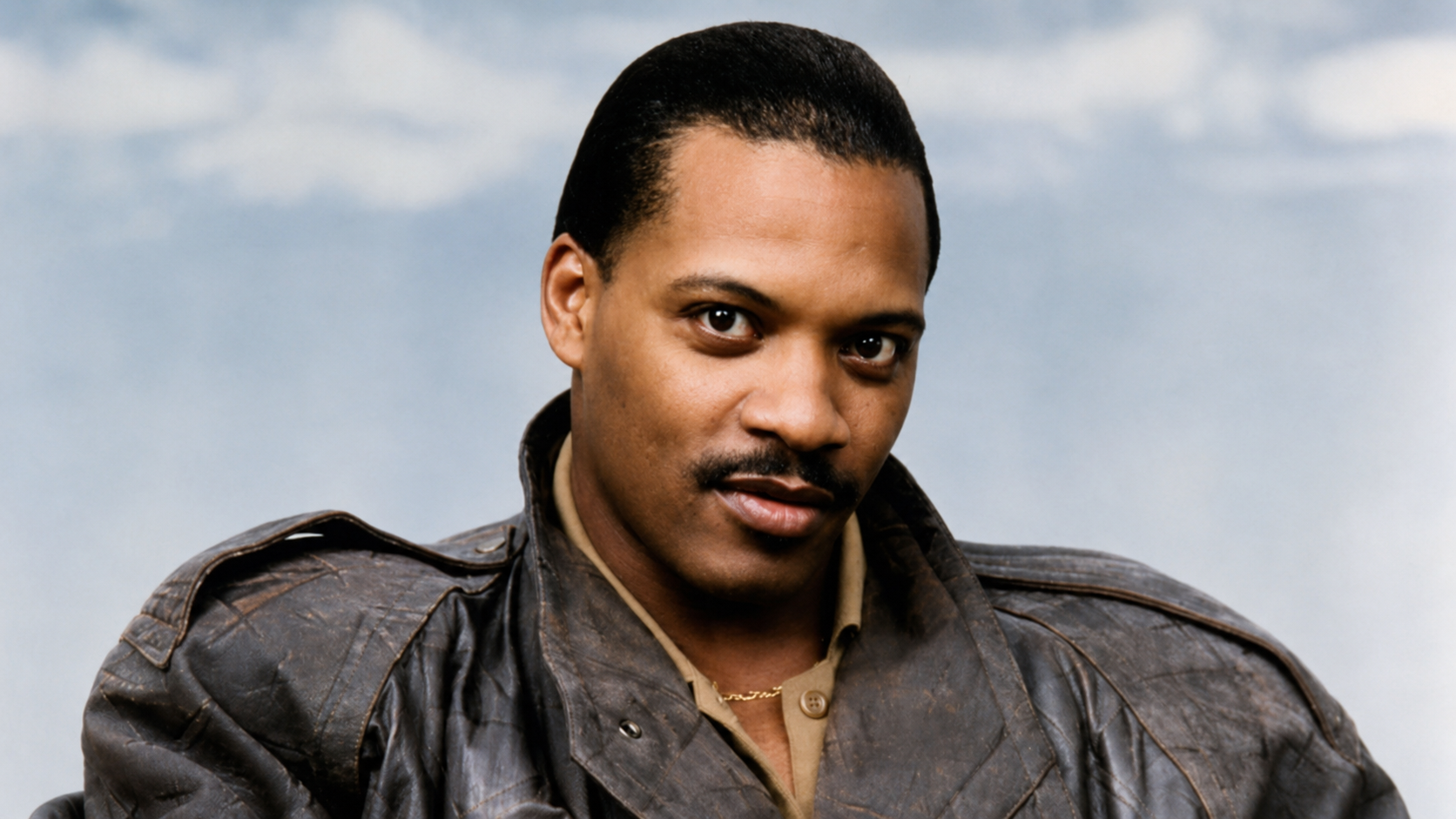
Alexander O’Neal did not arrive quietly. Even on record, his voice feels larger than the speakers: rich, commanding, full of longing one moment and swagger the next. For classic hits listeners, he remains one of those artists who can instantly change the temperature of a room. Put on an Alexander O’Neal track and suddenly the air is charged with late-night soul, polished funk, and the emotional honesty that made 1980s R&B so unforgettable.
His story is also one of timing, resilience, and near-misses that somehow turned into triumphs. He was close to major breakthroughs before he had his own hits, worked with some of the sharpest musical minds of the era, and built a catalogue that still sounds elegant and alive. Behind the immaculate suits, dramatic phrasing, and velvet-and-grit vocals was an artist who understood that a great soul performance should never sound polite. It should reach out and grab you.
A Minneapolis beginning with gospel roots and big ambition
Alexander O’Neal was born in Natchez, Mississippi, in 1953, and later moved north, eventually making his mark in Minneapolis, Minnesota. Like many great soul singers, he began in church, where gospel music shaped his sense of power, phrasing, and emotional release. You can hear that foundation in almost everything he recorded. Even his sleekest studio performances carry the uplift and intensity of gospel singing, where every line has to mean something.
Before the solo fame, O’Neal paid his dues in local groups and on the Minneapolis club scene. That mattered. Minneapolis in the 1970s and early 1980s was not just a cold-weather city with a hot music scene; it was becoming one of the most distinctive musical hubs in America. Funk, soul, pop, and electronic textures were colliding in exciting ways. Ambitious singers and musicians sharpened each other in clubs, rehearsal rooms, and recording studios. O’Neal was right there in that environment, developing the stage presence and vocal authority that would later define his records.
One of the most talked-about early chapters in his career is his connection to a band that would become hugely important: The Time. O’Neal was briefly involved in the group’s early formation before the line-up changed. It is one of those tantalising music-history moments. Another singer might have been haunted by that near-miss. O’Neal, instead, kept moving. In hindsight, it feels almost fitting. He was too individual, too vocally imposing, to stay in anyone else’s shadow for long.
The breakthrough was built behind the scenes
Alexander O’Neal’s big commercial rise came through a creative partnership with producers and songwriters Jimmy Jam and Terry Lewis. That pairing was crucial. Jam and Lewis were masters of sophisticated 1980s R&B: drum machines with heartbeat precision, lush keyboards, deep grooves, and songs that balanced radio polish with genuine feeling. O’Neal’s voice was the ideal instrument for that setting. He could cut through the technology with warmth and authority, making the songs feel human rather than merely stylish.
His self-titled debut album, Alexander O’Neal, released in 1985, announced him properly. It gave listeners the full picture: romantic slow jams, assertive dance tracks, and a lead singer with enough character to make every emotional turn believable. Songs such as Innocent, If You Were Here Tonight, and A Broken Heart Can Mend helped establish him as a major R&B presence.
If You Were Here Tonight in particular became one of his signature performances. It is a masterclass in restraint and ache. O’Neal does not oversing it; he leans into the loneliness, letting the melody breathe. That is part of what made him special. For all his power, he knew when to pull back and let vulnerability do the work.
“If You Were Here Tonight” showed that Alexander O’Neal was not just a big voice. He was a storyteller who understood silence, space, and heartbreak.
Then came the album that lifted him to another level: Hearsay in 1987. This was the record that turned admiration into devotion for many fans. It was confident, glossy, and full of songs that sounded built for both radio and real life. You could dance to them, sing along in the car, or hear your own relationships reflected back at you.
The songs that made his name
Ask listeners to name Alexander O’Neal’s most beloved songs and a few titles appear almost instantly. Criticize is one of them, and for good reason. It is sharp, propulsive, and irresistibly rhythmic, driven by a groove that feels both mechanical and alive. O’Neal sounds playful and exasperated at once, turning romantic frustration into a dance-floor event. It remains one of those records that can still light up a classic hits show because the hook lands immediately.
Fake is another standout: bold, stylish, and packed with attitude. It captures the social and emotional theatre of the era, but it also feels timeless because everyone understands the song’s central complaint. O’Neal delivers it with relish, as if he is enjoying every second of calling out pretence.
Then there is Never Knew Love Like This, a song that reveals another side of him. Where some singers separate their club records from their romantic material too neatly, O’Neal made both feel part of the same personality. He could be commanding, wounded, tender, suspicious, seductive. That emotional range is one reason his catalogue has lasted.
And no discussion is complete without Saturday Love, his sparkling duet with Cherrelle. It is one of the great 1980s duet performances: buoyant, flirtatious, and full of chemistry. The track captures a very specific kind of joy, the anticipation of weekend romance and city lights, but it also transcends its moment thanks to the ease between the two singers. O’Neal and Cherrelle sound as though they are smiling through the microphones.
- If You Were Here Tonight – intimate, yearning, and beautifully controlled
- A Broken Heart Can Mend – soulful resilience with a polished 1980s sheen
- Criticize – one of his most infectious and enduring dance-floor favourites
- Fake – sharp social commentary wrapped in sleek funk
- Never Knew Love Like This – romantic and rich, with classic O’Neal warmth
- Saturday Love with Cherrelle – a duet that still feels like a celebration
Style, presence, and the sound of grown-up soul
What made Alexander O’Neal stand out in a crowded era for male vocalists? First, the voice. It had heft, but it was never clumsy. He could thunder, plead, tease, and testify. There was gospel in his attack, classic soul in his phrasing, and contemporary R&B sophistication in the way he sat inside Jam and Lewis’s arrangements.
Second, he projected adulthood. That may sound simple, but it was a real distinction. O’Neal’s records often felt like songs for people who had lived a little. These were not wide-eyed fantasies. They were songs about trust, disappointment, attraction, self-respect, and complicated love. Even when the production shimmered with electronic gloss, the emotional world felt mature.
Visually, too, he understood presentation. The tailored look, the poised confidence, the sense of occasion: Alexander O’Neal carried himself like a classic soul man adapted for the MTV age. He could be elegant without losing grit. That balance helped him bridge generations of Black popular music, connecting the emotional directness of earlier soul traditions with the sleek architecture of 1980s studio production.
His work also helped define the Minneapolis sound beyond its most famous names. When people talk about that scene, the conversation often begins with Prince, and understandably so. But Alexander O’Neal was a vital part of the wider picture. His records showed how the city’s musicians and producers could create R&B that was sophisticated, urban, danceable, and emotionally resonant all at once.
Stories, near-turns, and details casual fans may miss
One of the fascinating things about O’Neal’s career is how often it brushes against major music-history crossroads. His early association with the musicians around Prince and The Time is one example. His later partnership with Jam and Lewis is another. Those producers would become one of the defining forces in modern pop and R&B, but with O’Neal, you can hear them building a world that is luxurious without becoming cold.
There is also a lovely irony in the fact that an artist with such a commanding presence could be so effective on songs of uncertainty and heartbreak. Casual listeners may remember the sharp suits and assertive grooves, but the deeper appeal lies in the tension between strength and vulnerability. O’Neal often sounded like a man trying to keep his dignity intact while his heart was being tested.
Another lesser-known point is how strongly he connected with audiences beyond the United States. His records found especially loyal listeners in the United Kingdom and across Europe, where sophisticated American soul and dance music often enjoyed a long life on radio, in clubs, and on television. That international affection helped keep his catalogue visible and loved well beyond its original chart runs.
He also had the kind of voice that other singers respected immediately. You do not need a long technical breakdown to hear why. Put on an Alexander O’Neal record and the lead vocal arrives fully formed, as if it already knows exactly how the emotional scene should be played. That kind of certainty is rare.
Why he still matters on classic hits radio
Classic hits radio thrives on records that do more than trigger memory. The best ones still create a feeling in the present tense. Alexander O’Neal’s songs do exactly that. They are nostalgic, certainly, but they are not trapped in nostalgia. Criticize still moves. Saturday Love still glows. If You Were Here Tonight still stops people in their tracks.
For radio listeners, he represents a golden intersection of craft and personality. The songs are impeccably made, with hooks strong enough for repeated play, but they also carry a distinct human stamp. You know an Alexander O’Neal vocal when you hear it. In an age of interchangeable production, that individuality feels even more valuable.
He also reminds us that classic hits are not only about blockbuster pop; they are about atmosphere, emotion, and voices that become part of people’s lives. Maybe a listener remembers hearing Saturday Love at a party, or If You Were Here Tonight late in the evening on the radio, or Fake blasting from a car stereo with the windows down. These songs stay attached to moments, and classic radio is where those moments come alive again.
Most of all, Alexander O’Neal matters because he brought drama, elegance, and truth to his music. He could sell heartbreak without self-pity, confidence without arrogance, and romance without sentimentality. That is not easy. It is the mark of a singer who understood both the theatre and the honesty of soul music.
So when his records come on today, they do more than represent a period. They remind us how thrilling it is when a singer meets the right songs, the right producers, and the right moment in time. Alexander O’Neal did that, and the result was a body of work that still sounds rich, stylish, and unmistakably alive.