Philadelphia Beginnings, Sequins and Soul — Patti LaBelle’s Remarkable Rise
From Philadelphia church roots to chart-topping solo triumphs, Patti LaBelle built a career on fearless reinvention and one of the most powerful voices in popular music. Her classic hits still bring drama, joy and heart to the radio today.
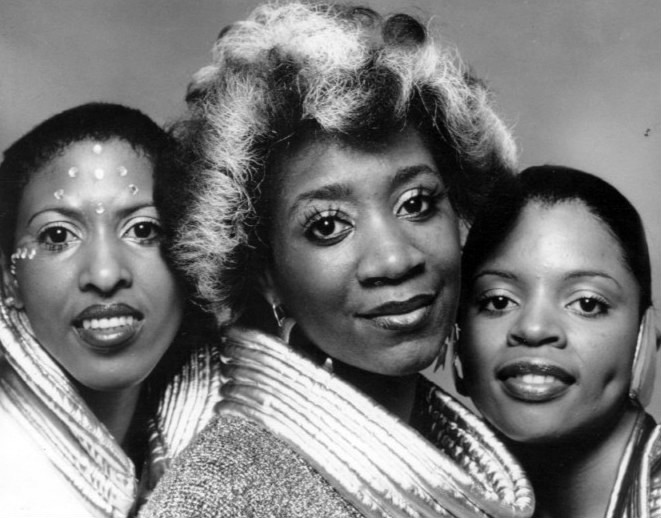
Before she became the woman many fans would simply call the Godmother of Soul, Patti LaBelle was a young singer from Philadelphia with a voice that could leap from a whisper to a thunderclap in a heartbeat. Her story is one of talent, resilience, reinvention and sheer emotional power — the kind of journey that still feels right at home on classic hits radio.
What makes Patti LaBelle so enduring is not just the size of her voice, although that voice is certainly unforgettable. It is the way she has moved through different eras of popular music without ever losing the heart of who she is. From doo-wop beginnings to funk, disco, R&B ballads and crossover pop success, she has remained a commanding presence, always bringing warmth, drama and honesty to every performance.
From Philadelphia church halls to teenage harmony groups
Born Patricia Louise Holte in Philadelphia in 1944, Patti LaBelle grew up in a household where music was everywhere. Like many great soul singers, she found her first musical grounding in church. Gospel gave her more than technique; it gave her emotional reach, discipline and the instinct to sing as if every word mattered. Even in her earliest years, she stood out as a natural performer.
As a teenager, she formed a group with friends called the Ordettes. It was the early 1960s, and girl groups were blossoming across American radio. Harmonies, matching dresses and carefully crafted singles were opening doors for young singers, and Patti was ready to step through one. The group eventually evolved into Patti LaBelle and the Bluebelles, a name that placed her front and centre long before she became a solo star.
The Bluebelles built a reputation through hard touring and polished live performances. This was the classic apprenticeship of the era: buses, one-night stands, package tours and audiences that could be won or lost in a matter of minutes. Patti learned how to command a room, how to improvise, and how to deliver under pressure. Those lessons would stay with her for life.
One of their early hits, I Sold My Heart to the Junkman, became part of the group’s story, although not without controversy over who actually sang on the recording. It was an early reminder that the music business could be complicated and sometimes unfair. But if anything, those experiences sharpened Patti’s determination.
A breakthrough in feathers, funk and fearless reinvention
By the early 1970s, musical tastes were changing, and so was Patti’s group. The Bluebelles transformed into Labelle, with Patti joined by Nona Hendryx and Sarah Dash. This was not a minor rebrand. It was a dramatic reinvention.
Gone were the old-fashioned gowns of the girl-group era. In came space-age costumes, feathers, metallic fabrics and a bold theatrical style that matched the adventurous music. Labelle embraced rock, funk, soul and glam with a confidence that made them stand apart. At a time when categories were often rigid, they refused to stay in one lane.
Their breakthrough moment came in 1974 with Lady Marmalade, a record that exploded out of radios with irresistible swagger. That opening line — “Voulez-vous coucher avec moi, ce soir?” — instantly became one of the most famous introductions in pop history. The song reached number one in the United States and turned Labelle into stars.
Lady Marmalade was more than a hit single. It was a cultural moment. It brought funk, soul, theatricality and female confidence together in one thrilling package. Patti’s lead vocal was electric: playful, powerful and completely in control. It remains one of those records that can transform the mood of a room within seconds.
Yet Labelle’s importance went beyond chart positions. They were one of the first Black female groups to break into the rock-oriented album world in such a bold way. They performed at major venues, crossed genre boundaries and influenced later generations of artists who saw in them a model of creative freedom.
Going solo and finding a new audience
After Labelle parted ways in the mid-1970s, Patti launched a solo career that would bring fresh challenges and even greater rewards. Reinvention is never easy, especially after success with a well-known group, but Patti approached it with the same courage she had shown before.
Her early solo albums won respect, but the major commercial breakthrough took time. That is part of what makes her story so inspiring. She did not simply arrive overnight as a solo superstar. She worked for it, recording steadily, refining her direction and trusting that the right songs would meet the right moment.
That moment came in the 1980s, when Patti LaBelle became a major crossover star. Her 1983 hit If Only You Knew was a turning point, reaching the top of the R&B chart and reminding listeners just how devastatingly expressive she could be on a ballad. The song unfolds with patience, and Patti fills every line with longing and conviction.
Then came a run of songs that helped define her solo legacy. New Attitude, from the Beverly Hills Cop era, brought high energy and mainstream pop visibility. It was bright, punchy and full of confidence, introducing her to younger listeners while delighting longtime fans. Around the same time, Stir It Up added another lively chapter to her 1980s catalogue.
In 1986, she reached a new peak with On My Own, her duet with Michael McDonald. It became a number one hit and one of the great adult contemporary ballads of the decade. There is something especially memorable about the contrast between their voices: his husky restraint, her soaring emotional release. Together, they created a song about heartbreak that felt intimate and grand all at once.
She followed that success with more beloved recordings, including You Are My Friend, a song deeply cherished by fans for its sincerity, and the stunning Love, Need and Want You, which later found new life when sampled by younger artists. Patti had become one of those rare singers whose catalogue could travel across generations without losing its emotional impact.
The songs that still light up the radio
For classic hits listeners, Patti LaBelle’s music offers a rich mix of excitement, elegance and feeling. Some songs arrive like celebrations; others feel like private conversations. A few of the most treasured include:
- Lady Marmalade — bold, infectious and impossible to ignore
- If Only You Knew — one of her finest slow-burn vocal performances
- New Attitude — pure 1980s confidence with a joyful kick
- On My Own — a sophisticated duet that became a huge crossover hit
- You Are My Friend — heartfelt, uplifting and deeply personal
- Love, Need and Want You — tender, soulful and enduringly influential
What links these songs is Patti’s gift for making every lyric feel lived-in. Even when the production changes from one decade to the next, her voice remains unmistakable: rich, dramatic, agile and full of humanity.
A voice built on gospel fire and emotional truth
Patti LaBelle’s musical style is often described through the size of her voice, but that only tells part of the story. Yes, she can deliver towering high notes and thrilling climaxes. But she is equally skilled at shading a phrase, holding back just enough to make the next moment hit harder. She understands tension and release the way a great actor understands timing.
Her roots in gospel are always audible, especially in the emotional urgency she brings to a performance. But her artistry also draws from soul, pop, funk and theatrical showmanship. She can be silky, playful, commanding or heartbreakingly vulnerable, sometimes all within the same song.
Many singers have cited her as an influence, not just because of her technique but because of her fearlessness. Patti sings with complete commitment. There is no emotional half-measure in her performances. That honesty has inspired generations of R&B, soul and pop artists who followed her.
“When I sing, I sing out of experience.”
That idea has always felt central to Patti LaBelle. Her performances do not sound decorative; they sound lived. That is one reason they continue to resonate so strongly.
Behind the scenes: humour, heart and a few wonderful surprises
One of the most appealing things about Patti LaBelle is that behind the grandeur of the voice is a performer known for warmth, humour and generosity. She has long had a reputation for connecting personally with audiences, whether through heartfelt introductions, spontaneous storytelling or those gloriously unpredictable live moments that fans treasure.
She is also famous for her love of cooking, something that has become almost as much a part of her public image as her music. Over the years, she has shared recipes, written cookbooks and become celebrated for dishes and desserts that reflect the same warmth she brings to the stage. It is a lovely extension of her personality: nurturing, expressive and made to be shared.
Another lesser-known part of her story is just how much perseverance shaped her career. Patti’s greatest solo commercial success came after years in the business. In an industry obsessed with quick breakthroughs, her journey is a reminder that staying power matters. Growth matters. Finding new chapters matters.
And then there is her live reputation. Patti LaBelle has long been considered one of music’s great concert performers. Sequins, dramatic gestures, soaring improvisations, laughter, tears — she brings the full range of emotion to the stage. For many fans, seeing Patti live was not just a concert. It was an event.
Why Patti LaBelle still matters on classic hits radio
Patti LaBelle belongs on classic hits radio because she represents something timeless: music with personality, craft and emotional truth. Her records instantly evoke the eras they came from, but they never feel trapped in the past. Lady Marmalade still sounds daring. New Attitude still bursts with life. On My Own still lands with quiet force.
For listeners who grew up with these songs, Patti brings back memories of first dances, car radios, family gatherings and late-night dedications. For younger listeners discovering her through recurrent airplay, she offers a masterclass in vocal storytelling and star power.
She also represents a broader history of popular music: the journey from church to street-corner harmony, from girl groups to experimental 1970s reinvention, from R&B charts to mainstream pop success. In Patti LaBelle, you can hear several chapters of modern music history in one extraordinary career.
Most of all, she matters because she never sounds ordinary. The moment Patti LaBelle comes on the radio, the atmosphere changes. There is more colour in the room, more feeling in the lyric, more life in the performance. That is the mark of a true classic artist.
From Philadelphia beginnings to international acclaim, Patti LaBelle has built a legacy on courage, versatility and a voice that refuses to be forgotten. She did not simply sing songs; she inhabited them. And decades later, that passion still reaches across the speakers as vividly as ever.