Late Night Chills, True Tales
Why does One Step Beyond still send a shiver through late-night viewers? Because this compact, eerie anthology knew the oldest broadcasting secret of all: a steady voice, a strong story, and just enough mystery to keep you listening.
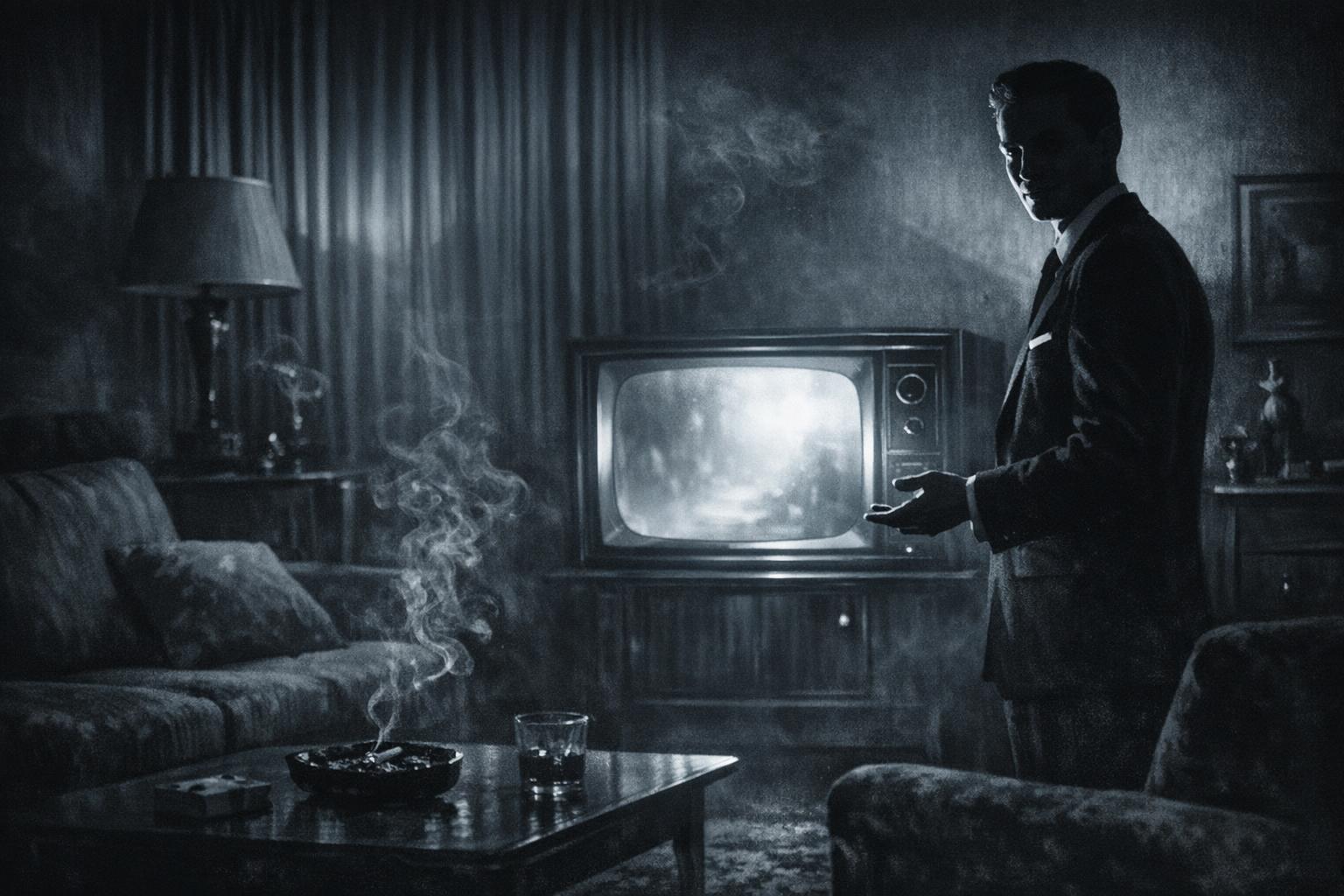
There was a special kind of television thrill waiting for American viewers at the turn of the 1960s: the lights low, the room quiet, and a calm voice inviting you into a story that might be impossible to explain. One Step Beyond, which aired from 1959 to 1961 in the United States, delivered exactly that feeling. Hosted by the poised and unmistakable John Newland, the anthology series stood apart from standard mystery programs by insisting that its stories were drawn from reported real-life experiences involving the supernatural, premonitions, and unexplained events.
For anyone who loves the atmosphere of classic radio and vintage television, this series hits a familiar note. It was eerie without being sensational, dramatic without becoming loud, and built around storytelling above all else. Decades later, One Step Beyond still feels like a late-night transmission from another world.
A television invitation to the unexplained
Premiering on ABC in January 1959, One Step Beyond arrived during a period when anthology television was flourishing. Audiences were already used to self-contained weekly dramas, but this series carved out its own identity by leaning into the idea of documented mystery. John Newland did more than introduce episodes; he became the program’s steady hand, guiding viewers through unsettling material with a measured, credible presence.
That hosting style mattered. Newland did not play the part with a wink. He spoke directly to the audience as if sharing case files over a midnight broadcast, which gave the show much of its lasting power. The opening and closing segments framed each episode as something to be considered rather than merely consumed. It was a clever device, and it helped make the series feel intimate, almost like a trusted voice on the radio telling you, “Listen closely. This one really happened.”
The program ran for three seasons and produced 96 episodes, a remarkable body of work for a show so rooted in mood and suggestion. Instead of relying on elaborate effects, it used tight scripts, expressive black-and-white photography, and strong performances to create unease. That economy is one reason the series still plays so well today.
John Newland’s quiet magic
If One Step Beyond has a secret ingredient, it is John Newland. He was not a flashy horror host. He did not need to be. His calm delivery made the strange seem possible, and his seriousness gave the show its unique tone. In many ways, he was doing what the best radio presenters do: setting the mood, earning trust, and letting the story do the heavy lifting.
Newland was also deeply involved behind the scenes, directing many episodes as well as hosting them. That consistency helped shape the series into something distinctive. There is a recognizable rhythm to One Step Beyond: the careful setup, the human drama, the creeping suggestion that reality may be more porous than we like to believe.
Watching him introduce an episode now, you can see why he became so central to the show’s identity. He was elegant, composed, and just mysterious enough. In an era full of bigger performances, Newland understood the power of understatement.
Episodes that still linger in the mind
Part of the fun of revisiting One Step Beyond is discovering how many episodes remain effective, even for viewers raised on modern supernatural television. The series often worked best when it focused on ordinary people caught in extraordinary moments.
The Bride Possessed
One of the most memorable early episodes, The Bride Possessed tells a story of a young woman apparently overtaken by a spirit with unfinished business. It is exactly the kind of premise the show handled well: emotional, eerie, and rooted in personal conflict rather than spectacle. The tension comes not from monsters or shocks, but from the unsettling possibility that identity itself can be invaded.
Night of April 14th
This is perhaps the series’ best-known episode, and for good reason. Centered around a premonition linked to the Titanic, it captures the show’s fascination with warnings that arrive too late or are ignored. The episode combines historical tragedy with supernatural suspense in a way that feels both intimate and grand. Even if you know the history, the emotional pull remains strong.
The Dead Part of the House
Here the series leans into the haunted-house tradition, but with a psychological edge. The atmosphere is thick, the sense of place is strong, and the fear grows gradually rather than exploding all at once. It is a fine example of how One Step Beyond could turn a familiar setup into something deeply unsettling simply through pacing and tone.
Message from Clara
This episode showcases the show’s gift for emotional supernatural storytelling. A message from beyond is not treated as a gimmick; it is presented as a source of longing, confusion, and hope. That human element is what often lifted the series above routine mystery television.
The Sacred Mushroom
One of the more unusual entries in the series, this episode stands out for its setting and subject matter. It reminds us that One Step Beyond was willing to stretch beyond ghostly visitations and premonitions into stranger territory. The show could be surprisingly adventurous when it wanted to be.
The Clown
There is something especially effective about this episode’s mixture of performance, identity, and dread. Like many of the best installments, it builds from a simple premise and lets discomfort accumulate scene by scene. It is theatrical, melancholy, and quietly haunting.
Why the series connected with American audiences
Television in the late 1950s and early 1960s was still discovering how much could be done with mood. One Step Beyond understood that limitation could be a strength. The black-and-white visuals gave the stories a dreamlike texture, while the half-hour format demanded sharp, efficient storytelling.
American audiences were also primed for this kind of material. It was an age fascinated by psychology, spiritualism, fate, and the possibility that science had not yet explained everything. The show tapped into those currents without becoming preachy or overly lurid. It asked viewers to consider the unknown, then left them with just enough uncertainty to keep thinking after the credits rolled.
“Your next step may be into a world of darkness… into the unknown… into One Step Beyond.”
That invitation was irresistible. It promised not just entertainment, but participation. Viewers were not only watching a drama; they were being asked what they believed.
Behind the scenes of a compact classic
One of the pleasures of looking back at vintage television is seeing how much could be achieved with modest means. One Step Beyond did not depend on elaborate production design. Instead, it relied on strong direction, atmospheric lighting, and actors who could make extraordinary situations feel believable.
The series was produced during a fast-moving era of network television, when schedules were demanding and efficiency was essential. That pressure often sharpened the work. Episodes had to establish character quickly, create stakes immediately, and land a memorable final impression. In the best installments, the result is wonderfully concentrated drama.
The guest casts also gave the show added appeal. Familiar faces from film and television appeared throughout its run, bringing polish and personality to stories that often hinged on a single emotional turn. Fans of classic screen performers will find plenty to enjoy in the series beyond the supernatural hook.
Less about gimmicks, more about storytelling
What makes One Step Beyond worth celebrating today is how firmly it keeps its attention on story. The clothes, interiors, and period details are naturally part of the charm, but they are not the main attraction. This is a show remembered for its mood, structure, and conviction.
That is an important distinction. Plenty of vintage programs are revisited mainly for nostalgia value. One Step Beyond certainly has nostalgia on its side, but it also has craft. Its best episodes are tightly written little dramas about fear, intuition, grief, coincidence, and belief. The supernatural element is often just the spark that reveals something very human.
In that sense, the series feels closer to a great late-night radio play than to modern effects-driven paranormal entertainment. It trusts the audience to listen, imagine, and lean in. That trust is part of its enduring appeal.
Why it still deserves a place in the late-night lineup
For classic television fans in the United States, One Step Beyond remains a rewarding rediscovery. It captures an era when suspense could be elegant, when a host’s voice could shape an entire viewing experience, and when the unexplained was most powerful if left only partly explained.
There is also something wonderfully compatible about this series and the spirit of classic hits radio. Both trade in atmosphere. Both understand the value of timing and tone. Both can transport you in a matter of seconds. Put on a great old song, then imagine the television set flickering in the corner with John Newland stepping forward to introduce one more impossible tale. That is a beautiful slice of mid-century Americana.
One Step Beyond may have had a relatively short original run, but its shadow has stretched across decades of supernatural storytelling. For viewers who enjoy mystery with heart, chills with restraint, and a presenter who knows exactly how to set the scene, this is one vintage series still well worth tuning in for.
- Original US run: 1959–1961
- Network: ABC
- Host: John Newland
- Format: Half-hour anthology drama focused on paranormal and unexplained events
- Legacy: A key early television series in the supernatural anthology tradition