Case Closed. Class Open.
Cooler than most modern crime shows, Perry Mason still wins the case with pure class.
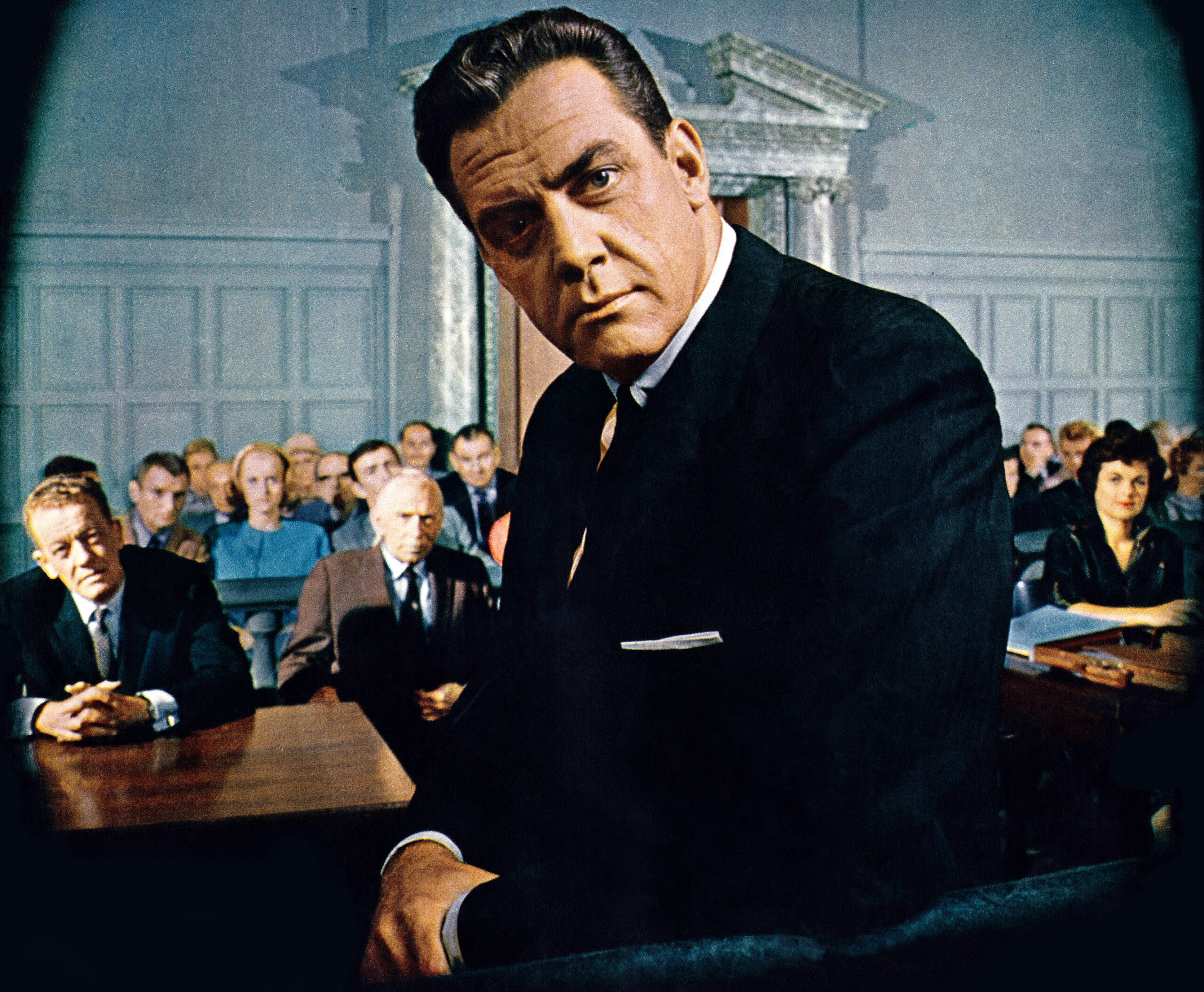
Some television series age gracefully. Perry Mason practically walks into the room in a perfectly cut suit, sets down a briefcase, and reminds everyone how it is done. First broadcast from 1957 to 1966, this courtroom drama remains one of the most satisfying detective series ever made: sharp, steady, intelligent, and carried by one of television’s great leading performances.
For viewers who love classic entertainment, Perry Mason has that rare staying power. It is polished without feeling stiff, dramatic without becoming overwrought, and familiar in the best possible way. Each episode offers a neat invitation: a crime, a puzzle, a seemingly impossible case, and then the quiet thrill of watching a master pick apart the truth.
A courtroom classic with real snap
At first glance, the formula seems simple. Someone is accused of murder. The evidence looks terrible. The odds are stacked high. Then Perry Mason, played with calm authority by Raymond Burr, begins to ask questions. Not loud questions, not flashy questions, but the kind that slowly tighten the net until the real culprit has nowhere left to hide.
That structure became the show’s signature, and it is still deeply enjoyable. There is comfort in the rhythm, but never boredom. The pleasure comes from the details: a nervous glance, a misplaced object, a contradiction in testimony, a witness who says just a little too much. The scripts trust the audience to pay attention, which gives the series an energy that still feels fresh.
What makes Perry Mason especially appealing is that it never treats intelligence as something cold. The show is clever, yes, but it is also humane. Perry fights for people who are frightened, cornered, and often judged before the facts are in. That moral centre gives the series its heart.
Raymond Burr’s quiet command
Every great classic series has a defining presence, and Perry Mason has Raymond Burr. His performance is not built on grand speeches or theatrical flourishes. Instead, he brings weight, patience, and complete conviction. He looks like a man who has already considered every angle before he even enters the courtroom.
Burr’s genius here is restraint. He does not need to dominate every scene in an obvious way; he simply holds it. When Perry Mason rises to cross-examine a witness, the temperature changes. The room seems to settle. You know something important is about to happen.
There is also warmth beneath the steel. Burr plays Mason as deeply compassionate, especially with clients who are under enormous pressure. That combination of empathy and authority is a big reason the series still connects with modern viewers. He is reassuring without ever becoming sentimental.
Raymond Burr gave television one of its most dependable heroes: a man who won with brains, decency, and timing.
A team worth tuning in for
Of course, Perry never works alone, and one of the joys of the series is the chemistry among its core cast. Barbara Hale is superb as Della Street, Perry’s secretary and trusted ally. Hale gives Della poise, intelligence, and a quiet sparkle that lifts every scene she is in. She is never simply standing by; she is part of the engine of the show.
William Hopper brings easy charm to private investigator Paul Drake, whose legwork often helps crack the case wide open. Then there is William Talman as District Attorney Hamilton Burger, one of classic television’s most memorable legal opponents. Burger may lose often, but Talman plays him with such conviction that he never becomes a joke. In fact, his seriousness helps make Perry’s victories more satisfying.
Together, they create a world that feels lived-in and dependable. Like a favourite radio line-up, each personality has its place, and each one contributes to the overall rhythm. That sense of ensemble is part of what makes the series so rewatchable.
Behind the scenes, built like clockwork
There is something almost musical about how well Perry Mason is assembled. The series was based on the hugely popular novels by Erle Stanley Gardner, and that literary foundation gave the show a strong supply of clever plots and legal intrigue. Gardner’s name carried weight, but television turned those stories into something even more immediate: crisp weekly drama with a memorable visual identity.
The black-and-white photography is a major part of the appeal. It gives the show texture and atmosphere, especially in its shadowy offices, late-night streets, and tense courtroom interiors. Rather than feeling dated, the monochrome look adds elegance. It strips away distractions and lets faces, gestures, and suspense do the work.
Production moved at a brisk pace in those years, and yet the series rarely feels rushed. The direction is efficient, the editing clean, and the guest casts consistently strong. One of the hidden pleasures of watching Perry Mason today is spotting familiar faces, many of whom would become major stars elsewhere. The show became a showcase for talented character actors who knew exactly how to make an impression in a few scenes.
Little details that still shine
- The courtroom reveals: Few series have handled the dramatic confession with such style and confidence.
- The pacing: Episodes move neatly, with very little wasted motion.
- The guest stars: A parade of future stars and seasoned performers keeps the cases lively.
- The atmosphere: Offices, diners, police stations, and courtrooms all feel like part of a believable world.
Why it still plays so well
Part of Perry Mason’s enduring appeal is simple: it respects the audience. It does not rely on noise or gimmicks. It trusts story, character, and suspense. In an era when many crime dramas aim for grit, speed, or shock, there is something refreshing about a show that builds tension through logic and performance.
There is nostalgia here, certainly, but nostalgia alone does not keep a series alive for generations. What keeps Perry Mason in rotation is craft. These episodes are sturdy. They know what they are doing. They deliver the pleasure of seeing confusion turn into clarity, and they do it with style.
It also helps that the show captures a particular kind of television confidence. This was an era when a drama could be smart, adult, and immensely popular all at once. Watching it now feels a bit like hearing a classic hit on the radio that still sounds perfect decades later. The arrangement is clean, the hook is strong, and the performance never lets you down.
The legacy beyond the original run
The 1957–1966 series is still the gold standard, but Perry Mason did not disappear when the original run ended. The character proved too strong, and the format too beloved, to remain in one era alone.
The New Perry Mason (1973–1974) attempted to revive the property for a different television moment. It never cast quite the same spell as the original, but it remains an interesting chapter in the franchise’s history, especially for viewers curious about how classic television institutions were reworked in the 1970s.
Then came the television films (1985–1995), which brought Raymond Burr and Barbara Hale back to their iconic roles. For longtime fans, these productions had the warm pleasure of a reunion concert: familiar faces, familiar rhythms, and the welcome return of a character who still fit Burr like a glove. They may be later entries, but they carry genuine affection for the original spirit.
More recently, Perry Mason (2020) offered a very different interpretation, leaning into darker origins and a moodier period atmosphere. It is not trying to recreate the exact charm of the 1957 series, and that is probably wise. Instead, it shows how durable the central idea remains. Even in a more modern, shadow-filled form, Perry Mason still draws audiences because the name promises intrigue, intelligence, and a fight for justice.
Final verdict
Perry Mason is more than a successful legal drama. It is a beautifully tuned piece of classic television, anchored by Raymond Burr’s commanding performance and supported by a cast and crew who knew exactly how to keep viewers coming back week after week. It has suspense, elegance, wit, and that wonderful old-fashioned assurance that a good story, well told, is enough.
If you are revisiting it, the pleasure is immediate. If you are discovering it for the first time, you are in for a treat. The clues are waiting, the courtroom doors are open, and Perry Mason is ready to ask the question that changes everything.
Case closed? Not quite. In the world of classic television, this one stays gloriously open, ready for one more episode.