Under the Studio Lights, Wang Chung Found Their Breakthrough
The night they recorded it, Wang Chung were shaping more than a catchy single; they were capturing a sleek, wistful mood that would travel straight into the heart of 1980s pop. Dance Hall Days still feels like a flash of neon caught in motion.
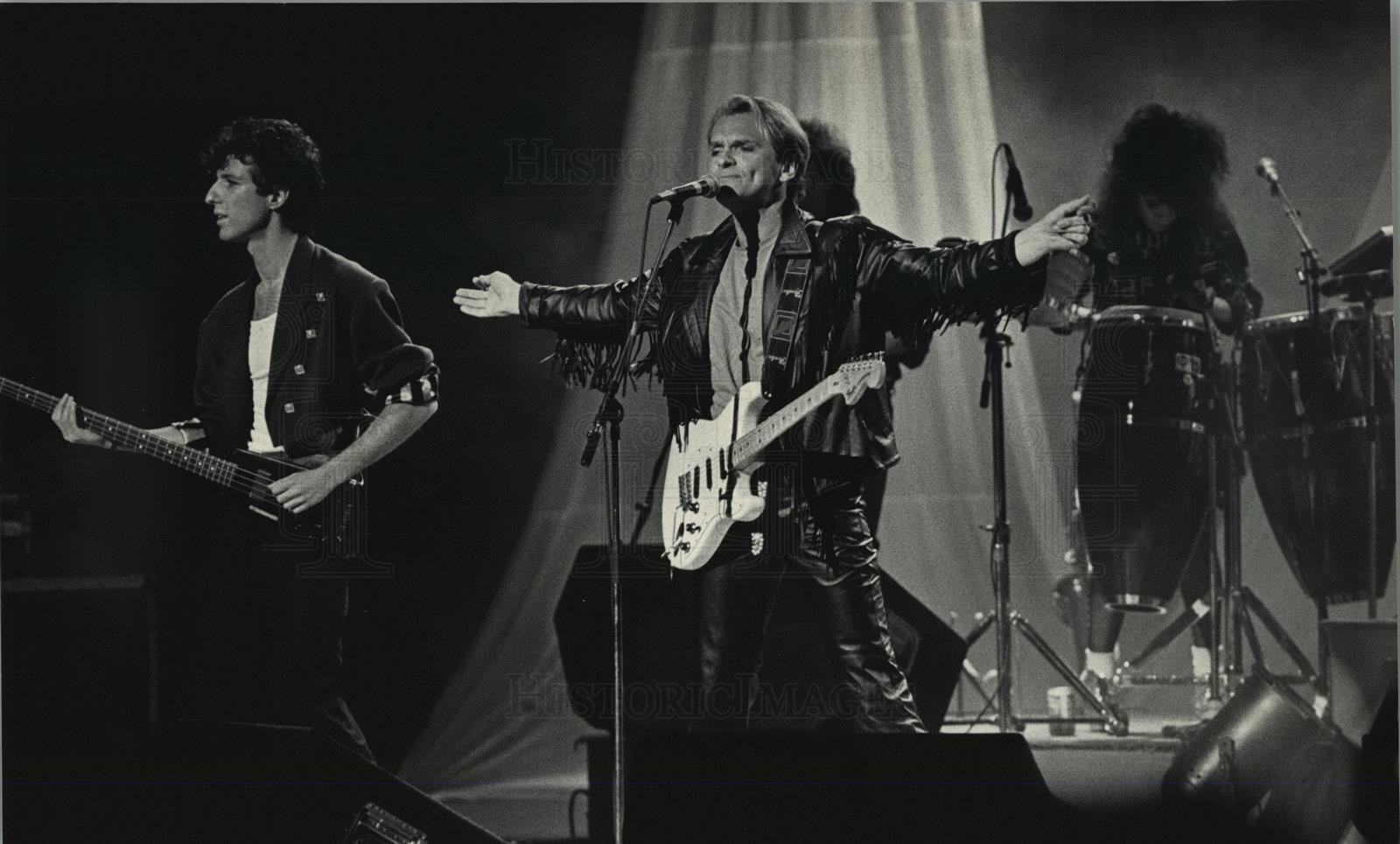
There is something instantly transportive about “Dance Hall Days”. The opening feels bright and slightly mysterious, the groove glides rather than stomps, and then comes that unforgettable chorus: playful, wistful, and full of motion. Released by Wang Chung in the early 1980s, the song became one of those records that seemed to bottle a particular moment in pop history: stylish but emotional, modern but melodic, polished yet still carrying a trace of art-school curiosity.
Although many listeners now associate the track with 1980s radio at its most irresistible, “Dance Hall Days” did not appear out of nowhere. It came from a band with a distinct visual and musical identity, a pair of songwriters with a flair for atmosphere, and a recording process that helped shape one of the era’s most recognisable singles.
The song takes shape
Jack Hues and Nick Feldman at the centre
Wang Chung was built around Jack Hues and Nick Feldman, two musicians who had already spent time developing their creative language before international success arrived. Hues, the group’s singer, guitarist and principal musical architect, brought a refined melodic sense and a love of unusual harmonic colours. Feldman, on bass and backing vocals, helped anchor the band’s rhythmic identity and visual style. Together, they gave Wang Chung a personality that stood slightly apart from straightforward synth-pop or guitar pop.
“Dance Hall Days” was written by Hues and Feldman, and it captured several things they did especially well: elegant hooks, a danceable pulse, and lyrics that felt impressionistic rather than literal. The song’s title and mood suggest memory, glamour, youth and a little bit of longing, all wrapped in a polished pop structure. It is upbeat, certainly, but there is also a reflective quality in it, which may be one reason it has endured.
A song with movement and mood
Part of the magic of “Dance Hall Days” is the way it balances opposites. It is rhythmic without being aggressive, catchy without sounding cheap, and sophisticated without becoming cold. That balancing act was very much in keeping with the early 1980s, when adventurous pop acts were learning how to combine new technology with classic songwriting craft.
The lyrics do not tell a simple linear story. Instead, they create flashes of imagery and emotion, the kind of phrases that feel half-remembered, like scenes from a late-night city journey or a glamorous evening viewed through memory. That slightly elusive quality made the song feel stylish and modern, while the chorus gave audiences something immediate to hold onto.
Inside the recording
Producer Chris Hughes helps sharpen the record
A key figure in bringing the song to life was Chris Hughes, who produced Wang Chung’s album Points on the Curve, the record that included “Dance Hall Days”. Hughes was a major behind-the-scenes presence in 1980s British pop, known for his work that combined precision, atmosphere and accessibility. He understood how to make records sound contemporary without stripping away their character.
On “Dance Hall Days”, that touch mattered. The production is sleek, but not sterile. The drums have shape and lift, the keyboards shimmer without overwhelming the arrangement, and the guitars are used for colour as much as force. Everything feels carefully placed. It is the kind of recording that sounds effortless on the radio, even though a great deal of thought clearly went into its textures and pacing.
The musicians and the arrangement
Alongside Hues and Feldman, Wang Chung’s recordings from this period also featured musicians who helped complete the band’s studio identity. The track’s crisp rhythmic feel and layered instrumentation reflect a group working with discipline and style, not simply chasing a trend. While Wang Chung would later become famous for larger, more overtly commercial hits, “Dance Hall Days” still carries a trace of the band’s art-pop roots.
One of the most appealing things about the arrangement is that it never feels overcrowded. The keyboard parts add sparkle and movement, the bass keeps the song grounded, and Hues’s vocal sits in the middle with an understated confidence. Rather than overpowering the listener, the record invites you in. That is often the mark of a song with real staying power.
Behind the scenes: one reason the track still sounds fresh is its restraint. Many records from the period threw every available studio effect into the mix. “Dance Hall Days” uses technology, certainly, but with a light touch.
Its journey onto the charts
A slow-build success story
Commercially, “Dance Hall Days” became one of Wang Chung’s breakthrough records. It was first released in the United Kingdom in 1983 as part of the campaign around Points on the Curve, but its biggest impact came when it connected strongly with American audiences. In the United States, the song climbed into the Billboard Hot 100 Top 20, reaching No. 16 in 1984.
That chart run mattered. It established Wang Chung not as a one-off curiosity, but as a band with genuine crossover appeal. They could attract listeners who liked stylish new wave, but also those who simply wanted a memorable pop single with a strong chorus and a danceable beat. Radio embraced it, and once radio did, the song’s reach expanded quickly.
Why audiences responded
The commercial appeal of “Dance Hall Days” came from its versatility. It worked on pop radio, in clubs, on music television, and in the private world of headphones and cassette players. It had enough polish for mainstream success, but enough personality to avoid sounding anonymous. In an era crowded with sharp suits, synthesizers and striking haircuts, Wang Chung managed to stand out through elegance rather than excess.
Its success also helped set the stage for the band’s later hits, including “Everybody Have Fun Tonight” and “Let’s Go!”. But many fans still hold “Dance Hall Days” especially close, because it captures Wang Chung before their image became bigger and louder. It is the sound of a band arriving, not yet fully transformed into arena-pop personalities.
The video age and the cultural moment
Perfect timing for music television
It is impossible to talk about a song like “Dance Hall Days” without remembering the rise of music television. The early 1980s changed how pop was seen as much as how it was heard, and Wang Chung understood image as part of the package. Their visual presentation was stylish, sharp and slightly enigmatic, which fit the song beautifully.
In the MTV era, records like this gained extra power because they were not just songs; they were moods. “Dance Hall Days” carried the cool, cosmopolitan sheen that television audiences wanted from modern pop. It felt international, fashionable and cinematic, all qualities that helped songs travel across markets.
A bridge between art-pop and mainstream radio
The broader era of music is essential here. By the early 1980s, post-punk experimentation had begun to feed directly into mainstream pop. Bands were borrowing from funk, electronic music, art rock and dance rhythms, then shaping those influences into songs with broad appeal. Wang Chung sat right in that lane.
“Dance Hall Days” connects to that period because it reflects the moment when sophistication and accessibility met in the same three or four minutes. You can hear traces of new wave, synth-pop, art-school design and polished commercial production all at once. It belongs to the same conversation as records by acts who understood that pop could be clever and catchy in equal measure.
- Melodic enough for mainstream radio
- Stylish enough for the video generation
- Rhythmic enough for dance floors
- Distinctive enough to remain recognisable decades later
Legacy and lasting affection
The song that keeps returning
Over the years, “Dance Hall Days” has remained a favourite on classic hits radio, 1980s playlists and retrospective compilations. That continued life says a great deal. Some songs survive because they are attached to a huge cultural event. Others survive because they are simply built well. This one has both nostalgia and craft on its side.
Listeners still respond to the chorus, to the elegant production, and to the sense that the song is somehow both carefree and bittersweet. That emotional combination is not easy to achieve. Many upbeat records age into novelty; “Dance Hall Days” has not. It still feels stylish and emotionally alive.
Anecdotes and small details that add colour
One of the most charming things about Wang Chung’s early career is how clearly they belonged to a moment when bands could still arrive with a slightly unusual identity and break through anyway. Their very name stood out, their visual aesthetic was distinctive, and their songs did not always explain themselves in a neat, literal way. Yet audiences came with them.
That is part of the behind-the-scenes story too: “Dance Hall Days” was not a cynical formula record. It was a carefully made pop single by musicians who valued mood, texture and style. Its success proved there was room in the charts for records that felt a little more atmospheric, a little more artful, and a little less obvious.
Today, when the song comes on, it still creates that same little lift. You can picture the neon, the studio glass, the polished instruments, the confidence of a band sensing they had something special. And they did. “Dance Hall Days” was more than a hit single. It was a marker of where pop was going in the 1980s: toward sleek production, visual flair, and songs that could dance while still carrying a trace of memory in their hearts.