Touch Me on the Radio Dial
Samantha Fox was never just a headline—she was a hitmaker with the nerve, charm, and choruses to own the airwaves.
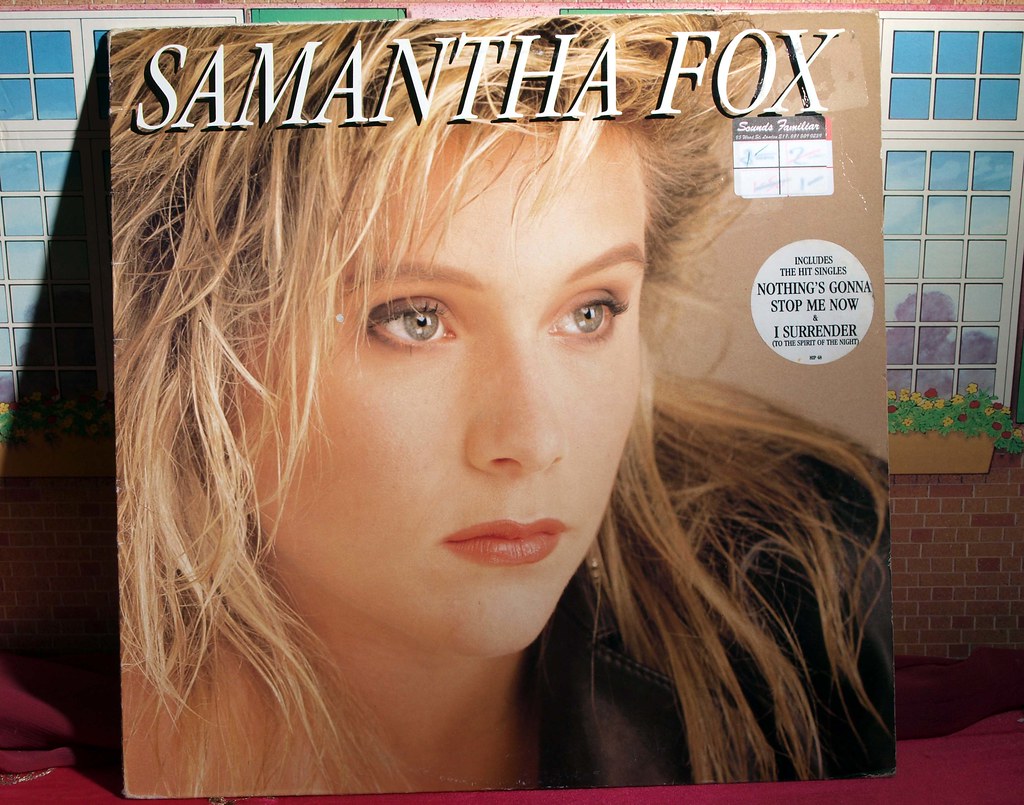
There are some voices that instantly bring back the glow of neon lights, the rattle of a car stereo, and the thrill of hearing a favourite song arrive at exactly the right moment. Samantha Fox has that kind of voice and that kind of story. For many classic hits listeners, she is forever linked to bold pop confidence, irresistible hooks, and the big-hearted energy of the late 1980s. But behind the chart success was a determined performer who had been working toward the spotlight since childhood.
With her unmistakable image and a run of radio-friendly singles that still light up playlists today, Samantha Fox became much more than a pop culture headline. She proved she could turn attention into longevity, personality into performance, and catchy songs into enduring favourites.
A London childhood with music in the air
Samantha Karen Fox was born in London on April 15, 1966, and entertainment was part of her world from an early age. She grew up in a lively family environment where music and performance were never far away. Long before the chart hits, she was a child with ambition, confidence, and a love of being on stage.
She attended the Anna Scher Theatre School, a well-known training ground for young talent, where she developed her performing instincts. That background mattered. It gave her poise, discipline, and a comfort in front of audiences that would later become one of her great strengths. While many listeners first met Samantha Fox as a striking pop personality, there was real groundwork behind the glamour.
Music was not an afterthought. She formed an early band called SFX with Richard Smart, Edward Gallagher, and Bob Day, and her father became a strong supporter of her ambitions. In fact, he played a key role in helping her pursue opportunities in the music business. Like many future stars, she spent her early years trying to find the right opening, building experience before the wider world caught on.
That early determination is one of the most appealing parts of her story. Samantha Fox did not simply appear fully formed in the pop charts. She had already learned how to perform, how to hold attention, and how to project confidence under pressure.
The breakthrough that changed everything
Before her recording career took off, Samantha Fox became widely known in Britain as a glamour model, achieving a level of fame that made her instantly recognisable. For some artists, that kind of public image can become a cage. In her case, it became a hurdle she had to clear. The music industry and the public both had to be convinced that she was more than a familiar face.
Then came 1986, and with it the single that changed the conversation: Touch Me (I Want Your Body).
It was bold, playful, and impossible to ignore. The song exploded internationally, reaching the top 10 in multiple countries and giving Samantha Fox a genuine music breakthrough. It was not just a novelty hit or a flash of curiosity. It was a proper pop arrival, powered by a memorable chorus, a confident vocal, and production that captured the high-energy spirit of the decade.
What made that breakthrough especially satisfying was the sense of surprise it created. Some people may have expected a short-lived crossover moment. Instead, Samantha Fox proved she could deliver hit after hit. Once she got on the radio, she stayed there.
Her debut album, Touch Me, established her as a real chart force. It also showed that she could move between flirtatious dance-pop, polished ballads, and upbeat anthems without losing her identity. She had the kind of voice that suited the era perfectly: bright, direct, and full of attitude, with enough warmth to keep the songs feeling inviting rather than distant.
The songs that made listeners turn it up
If you mention Samantha Fox on classic hits radio, a few titles instantly spring to mind. These are the records that still make listeners smile, sing along, and remember exactly where they first heard them.
- Touch Me (I Want Your Body) – The signature hit. It remains her defining song for many fans, a track built for radio with a chorus that arrives like a burst of summer heat.
- Do Ya Do Ya (Wanna Please Me) – Another confident pop single with a teasing lyric and a glossy, high-impact production style.
- Naughty Girls (Need Love Too) – One of her most memorable titles, balancing cheeky pop attitude with a club-ready beat.
- I Only Wanna Be with You – Her spirited take on the Dusty Springfield classic showed that she could bring fresh energy to an already beloved song.
- Nothing’s Gonna Stop Me Now – A huge anthem of determination and uplift, produced by Stock Aitken Waterman, and still one of the most joyful records associated with her name.
- I Surrender (To the Spirit of the Night) – Dramatic, glossy, and packed with late-1980s atmosphere, this remains a favourite among listeners who love the era’s bigger pop productions.
Among those songs, Nothing’s Gonna Stop Me Now deserves special attention. It captured Samantha Fox at a moment when she sounded triumphant and completely at ease in the centre of mainstream pop. With its surging chorus and upbeat momentum, it became one of those records that feels tailor-made for radio. It still has that effect today: the opening bars begin, and the mood lifts instantly.
Her version of I Only Wanna Be with You is another key part of her legacy. Covering a song already associated with a legendary singer is never easy, but Samantha approached it with enough personality to make it her own. Rather than trying to outdo the original, she brought a brighter, more modern pop sheen to it, introducing the song to another generation of listeners.
More than image: the performer behind the fame
One of the most interesting parts of Samantha Fox’s career is the way she had to fight for artistic credibility. It is easy, in hindsight, to flatten pop stars into images or headlines. But radio has a way of cutting through that. On the air, what matters is the record. Does it connect? Does it move? Does it stay with you?
Samantha Fox answered those questions with songs that were catchy, confident, and carefully made. She worked with major producers, adapted to changing pop trends, and kept her performances energetic and engaging. Her stage presence was never accidental. She knew how to sell a song, how to command a camera, and how to project a larger-than-life personality without losing the human touch that made fans root for her.
There is a quote often associated with the spirit of her biggest hits, even when not tied to one exact interview: the idea that she wanted to be taken seriously as a singer. That determination runs through her story. She had to insist on being heard, not just seen, and that gives her success an extra layer of meaning.
“Nothing’s gonna stop me now” was more than a chorus. For Samantha Fox, it sounded like a mission statement.
The late 1980s pop machine, with Samantha at full speed
By the late 1980s, Samantha Fox had become an international pop name. This was the era of glossy television appearances, dramatic music videos, and singles that seemed designed to leap out of transistor radios and dance floors alike. She fit that world beautifully, but she also helped define it.
Her collaboration with the powerhouse songwriting and production team Stock Aitken Waterman was a major career moment. They were behind some of the era’s most durable chart records, and their work with Samantha sharpened her sound into something even more immediate and radio-ready. The result was pop with drive: bright keyboards, propulsive rhythms, and choruses built to stick.
Yet Samantha Fox was never just a studio creation. There was always a sense of personality pushing through the production. You can hear it in the playful phrasing, the wink in the delivery, and the self-assured way she attacked a hook. Plenty of pop records are polished. Fewer feel lived in. Hers often did.
A lesser-known detail that fans enjoy is that her ambitions in entertainment stretched beyond singing alone. She appeared on television, remained a visible media personality, and continued performing for audiences long after her first wave of chart success. That staying power matters. It shows that her relationship with fans was not built on one season of fame, but on years of connection.
Style, influence, and why her records still sparkle
Samantha Fox’s musical style sits at a lively crossroads of dance-pop, synth-pop, and radio-friendly pop-rock energy. Her records often carried a sense of motion. Even the flirtier songs had punch. Even the polished productions had personality. That combination is one reason her music has lasted so well on classic hits stations.
She also represented a particular kind of 1980s pop confidence: bold but accessible, glamorous but fun, larger than life without feeling cold. Her songs invited listeners in. They were made for dancing around the kitchen, turning up in the car, or hearing unexpectedly in the middle of the afternoon and suddenly feeling ten years younger.
In terms of influence, Samantha Fox helped open the door for pop performers who refused to be boxed in by the public’s first impression of them. She challenged assumptions and built a recording career that demanded respect on its own terms. For women in pop especially, that matters. She navigated image, expectation, and commercial pressure in a way that still feels relevant.
She also remains an important figure in discussions of pop culture visibility and identity. In later years, her openness about her personal life added another dimension to her public story and deepened the bond many fans felt with her. For some listeners, that honesty made her not only a pop star from a favourite era, but a figure of resilience and authenticity too.
Why Samantha Fox still belongs on classic hits radio
Classic hits radio thrives on songs that do more than chart well. The best records create an instant atmosphere. They carry memory, emotion, and a sense of occasion in just a few seconds. Samantha Fox has several songs that do exactly that.
When Touch Me (I Want Your Body) comes on, it brings a flash of mischief and pure pop fun. When Nothing’s Gonna Stop Me Now plays, it feels like the windows should come down and the volume should go up. These songs are not museum pieces. They are living records, still capable of lifting a room.
For listeners today, Samantha Fox also represents something reassuring about classic pop: confidence without cynicism, glamour without distance, and hooks without apology. Her hits remind us of a time when pop often aimed to be immediate, physical, and joyous. That spirit never really goes out of style.
There is also a behind-the-scenes pleasure in revisiting her catalogue now. You can hear the craft more clearly: the precision of the production, the discipline in the vocal arrangements, the smart balance between image and sound. Time has a way of revealing what was always there.
And perhaps that is the real Samantha Fox story. Beneath the headlines and the high-profile image was a hardworking performer with a sharp instinct for what makes a pop song connect. She knew how to grab attention, yes, but even more importantly, she knew how to hold it.
That is why her records still earn their place on the radio dial. They are bright, bold, and full of life. And when they come on, they still feel like an invitation: sing along, turn it up, and enjoy the moment.