A Promise on the Dancefloor — Mariah Carey finds her early spark
The night they recorded that bright, defiant chorus, Mariah Carey was still a new artist with everything to prove — but Someday already sounded like someone who knew exactly where she was headed. Here is the story of the song that gave her debut era an extra jolt of attitude and dancefloor sparkle.
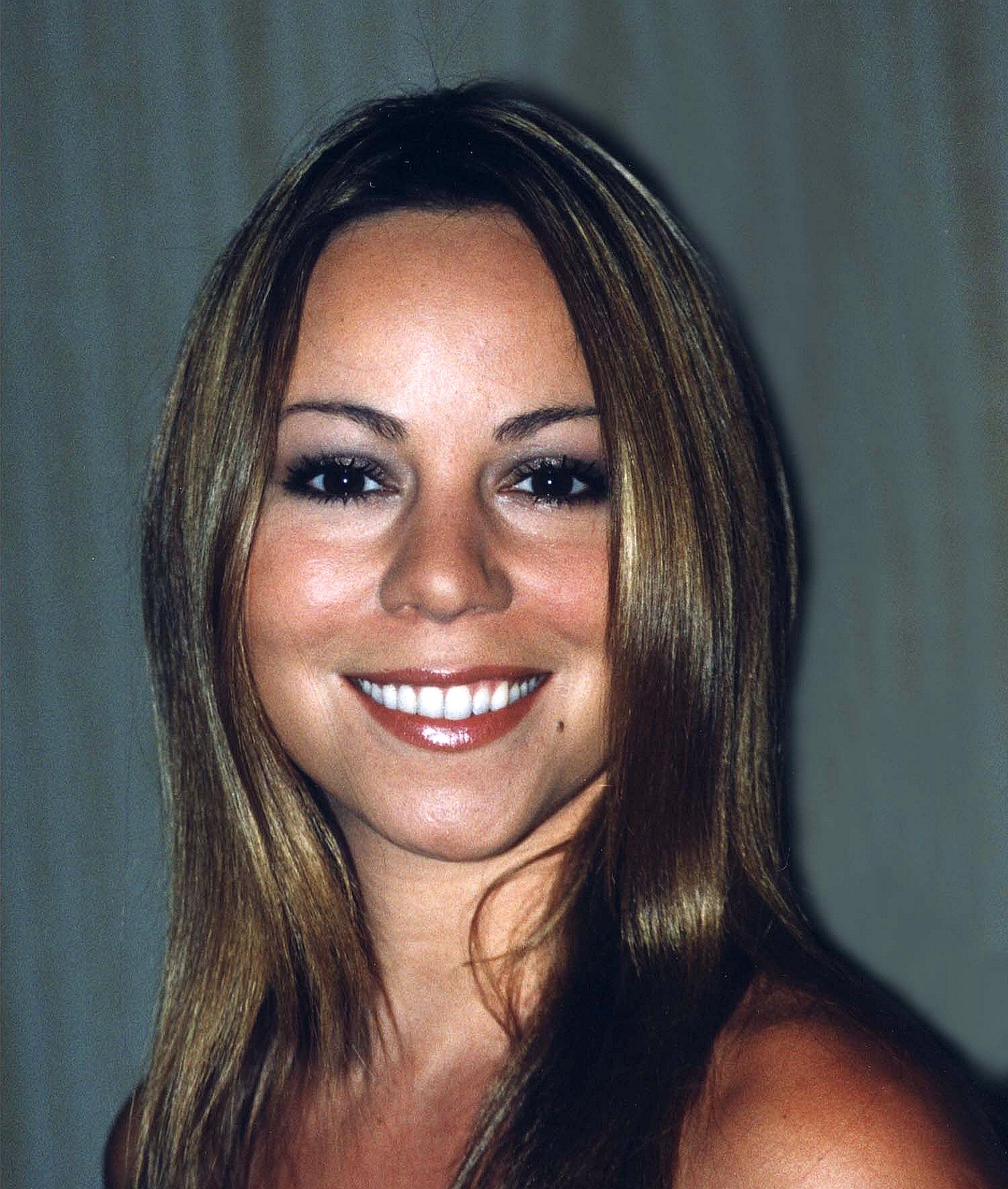
Before Mariah Carey became one of the defining voices of modern pop, Someday was already hinting at how far she could go. Released in 1990 as the third single from her self-titled debut album, the song arrived with bounce, confidence and a bright, streetwise energy that stood slightly apart from the grand ballads surrounding it. If Vision of Love introduced the voice and Love Takes Time showed the heartbreak, Someday added attitude. It was playful, rhythmic and full of the kind of youthful certainty that makes a radio record leap out of the speakers.
More than three decades later, the song still feels like a vivid snapshot of a moment when pop, R&B and dance music were moving closer together. It also captures Mariah at the very beginning: ambitious, technically dazzling and already deeply involved in shaping her own music.
How Someday came together
Writing a warning with a smile
Someday was written by Mariah Carey and Ben Margulies, the songwriting partner who worked closely with her before she became a star. Their collaboration produced several songs that would appear on her debut album, and together they built material that showcased not only her range but also her instincts as a writer. In the case of Someday, they created a song with a deceptively breezy surface: lively, catchy and danceable, but with a pointed message underneath.
The lyric is a classic brush-off, delivered with confidence rather than bitterness. Mariah sings to someone who failed to value her, promising that one day he will regret it. That emotional setup was familiar pop territory, but the way she delivered it felt fresh. There is no pleading here. The song moves with the certainty of someone already looking ahead.
That blend of sweetness and steel became one of the signatures of early Mariah Carey records. Even in 1990, she was writing songs that balanced vulnerability with self-possession, and Someday is one of the clearest examples from her debut era.
Studio polish meets club energy
For the album version, the song was produced by Ric Wake, one of the key architects of Mariah Carey’s early sound. Wake helped shape a polished, radio-ready recording that still left room for her voice to move. The arrangement gave the song a crisp beat, bright keyboards and a pop-R&B lift that made it feel modern without overwhelming the vocal.
Mariah’s performance is one of the record’s real pleasures. She glides through the verses with a conversational ease, then opens up in the chorus with the kind of control and flair that quickly made listeners stop what they were doing. There are flashes of melisma, clean high notes and that unmistakable tonal brightness, but the performance never feels like showing off for its own sake. It serves the song’s mood: light on its feet, but absolutely sure of itself.
When the single was prepared for release, Someday also received remixes that pushed it further toward the dancefloor. That was a smart move in 1990, when club play could help turn a hit into an event. The remixed versions gave the track extra momentum and helped broaden its reach beyond pop radio.
The people behind the record
A young songwriter with a clear vision
It is easy, looking back from the height of Mariah Carey’s career, to forget how unusual her debut was. Here was a brand-new artist arriving with a huge voice and a strong hand in the songwriting. On Someday, as on much of her first album, she was not simply interpreting material handed to her by a label machine. She was helping build the songs themselves.
Ben Margulies was a crucial part of that early chapter. Before the major-label spotlight, he and Mariah worked together on demos and developed songs that would become the foundation of her debut. Their partnership gave shape to some of her earliest released work, and Someday carries that sense of a pre-fame creative bond being translated into mainstream pop.
Ric Wake and the early Columbia team
Producer Ric Wake was one of the important figures in turning those songs into finished records. His production style on Mariah’s debut leaned toward clean, contemporary pop with R&B touches, a sound designed to let the voice remain the headline attraction. On Someday, that approach worked especially well. The track has movement, sparkle and enough rhythmic snap to feel youthful and immediate.
Behind the scenes, the wider Columbia Records team also played a major role in positioning Mariah Carey as a major new artist. By the time Someday arrived as a single, the label had already seen the extraordinary response to her first releases. There was real momentum behind her, and each single seemed to confirm that this was not a one-hit wonder story but the arrival of a major career.
Chart success and commercial impact
Another number one for a remarkable debut
Someday became a major hit in the United States, reaching number one on the Billboard Hot 100 in 1991. That made it Mariah Carey’s third consecutive chart-topper from her debut album, following Vision of Love and Love Takes Time. For a new artist, that kind of opening run was extraordinary. It signalled not just popularity, but consistency: she could deliver a power ballad, a heartbreak song and an upbeat pop-R&B single, and audiences followed her every time.
The song also performed strongly on dance and contemporary radio formats, helped by its remix life and rhythmic appeal. It fit comfortably into multiple corners of the market, which was increasingly important at the turn of the 1990s. Pop radio was broadening, club culture was influencing mainstream production, and R&B textures were becoming more central to chart music. Someday sat right in that sweet spot.
A single that expanded her image
Commercially, the song mattered for another reason: it widened public understanding of who Mariah Carey could be. The first two singles had established her as a vocalist of rare ability, especially in emotional ballad settings. Someday showed she could also deliver a lighter, more playful hit without losing any of that vocal identity. For radio listeners, it made her feel more versatile. For the label, it was proof that her debut album had depth.
Behind the scenes and memorable details
The video story and a young star taking shape
One of the more interesting footnotes in the song’s history involves its music video. An early version was reportedly shot, but Mariah herself was unhappy with it, feeling it did not represent her properly. A new video was then created, with a school-setting storyline and a more youthful, playful concept. That decision is revealing. Even at the start of her career, she had strong opinions about presentation and image, and she was willing to push for something that felt more authentic to her.
The finished video matched the song’s energy: bright, cheeky and full of movement. It helped reinforce the single’s personality and gave audiences another side of Mariah, one that was less formal than the elegant image attached to her ballads.
An early glimpse of her perfectionism
Stories from Mariah Carey’s career often return to one quality: precision. She has long been known for hearing exactly what she wants in a vocal, arrangement or mix. Someday offers an early glimpse of that streak. Even in this relatively youthful, breezy single, the details matter. The phrasing is controlled, the harmonies are carefully stacked, and the balance between pop accessibility and vocal fireworks is finely judged.
That attention to detail would become a hallmark of her catalogue. In hindsight, Someday sounds like the work of an artist learning the machinery of hit-making while already understanding her own strengths.
Why it mattered in 1990
Where pop, R&B and dance were meeting
The broader musical era helps explain why Someday connected so strongly. Around 1990, mainstream pop was in a fascinating transition. The glossy synthesizer-heavy style of the late 1980s was still present, but listeners were also embracing New Jack Swing, contemporary R&B and club-influenced production. Songs with strong beats and crossover appeal were thriving.
Someday reflects that shift beautifully. It is not a full New Jack Swing record, but it borrows some of the era’s rhythmic confidence. It is not a pure club track, but it welcomes remix culture. And while it is clearly a pop single, its vocal phrasing and emotional attitude are deeply connected to R&B. That combination made it feel current in 1990 while also helping it age well.
It also arrived at a time when female pop stars were increasingly expected to be versatile. A singer could no longer rely on one mood alone. Mariah’s debut campaign understood that, and Someday played a crucial role in proving she could move between styles with ease.
Legacy of an early Mariah favourite
A joyful piece of the debut-era puzzle
Among Mariah Carey’s early hits, Someday sometimes sits slightly in the shadow of the more dramatic Vision of Love or the emotional pull of Love Takes Time. But that should not obscure its importance. This was the single that added bounce to the story. It revealed wit, swagger and a sense of fun, all while keeping the vocal standard astonishingly high.
For fans, it remains one of the most charming records from her first chapter. For historians of pop, it is a valuable marker of where mainstream music was heading in the early 1990s. And for anyone hearing it on the radio today, it still delivers that instant lift: the beat kicks in, the chorus arrives, and suddenly the room feels brighter.
Someday may have begun as a message to one regretful ex, but its real destination was much bigger: it helped announce that Mariah Carey was not just a remarkable singer. She was a hitmaker with range, instincts and a clear idea of who she wanted to be.
That is why the song still matters. It captures the thrill of an artist at take-off speed, smiling as she does it.