Linda Ronstadt lit up every room she sang in
Few artists could make a radio speaker feel this alive. Linda Ronstadt’s catalogue still delivers pure emotion and bright, unforgettable hooks, and the story behind those records is every bit as rich as the music itself.
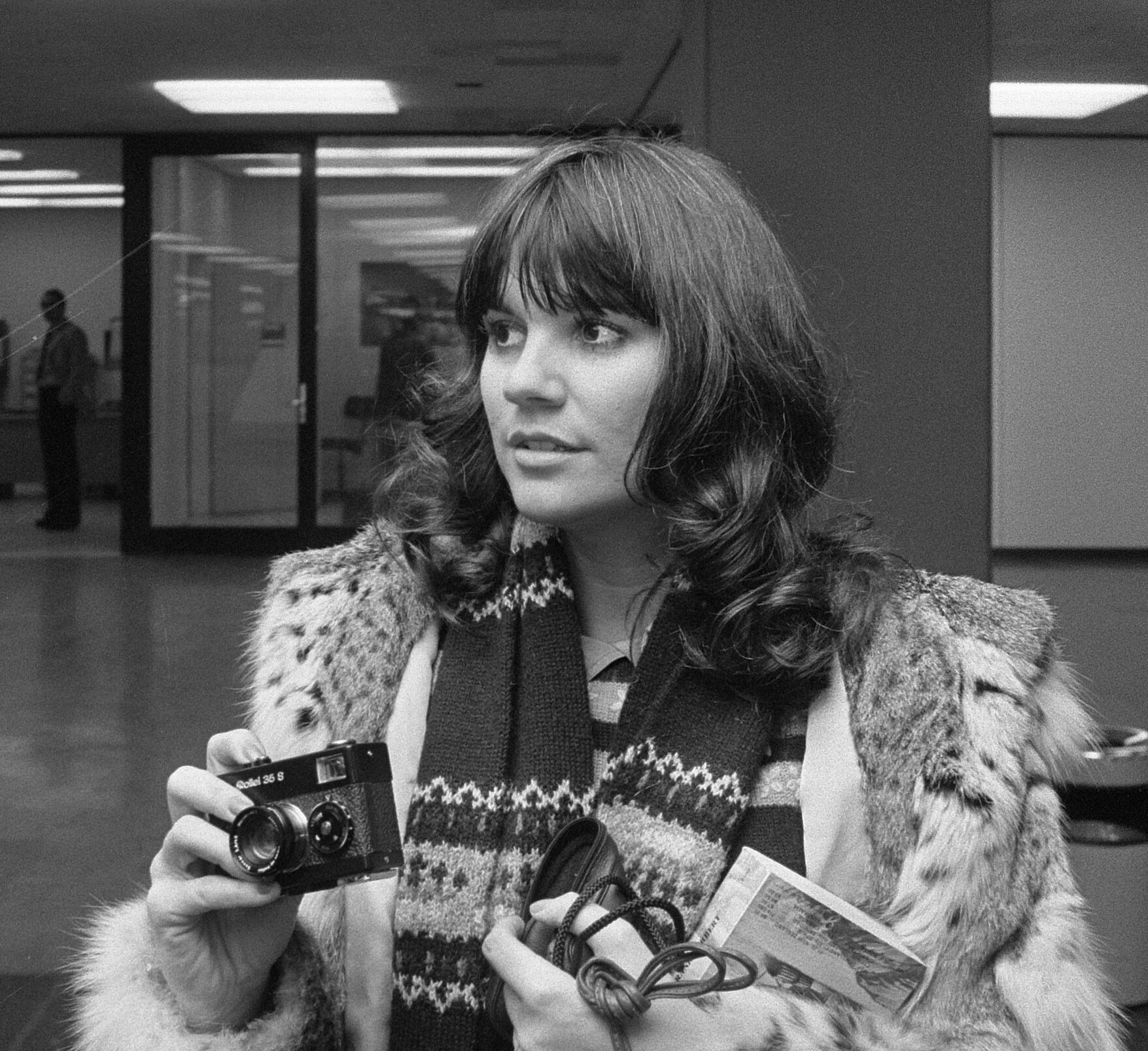
Some voices do more than carry a tune. They change the temperature of a song. Linda Ronstadt had that kind of voice: warm one moment, fierce the next, and always full of feeling. When her records come on the radio, they still have that instant effect. The opening notes arrive, and suddenly the room feels brighter, the memories sharper, and the emotions closer to the surface.
For classic hits listeners, Ronstadt remains one of those rare artists who could move easily between rock, country, pop, folk, and beyond without ever sounding like she was chasing a trend. She simply sounded like herself. That honesty is a big part of why her music has lasted.
Raised in music, shaped by Arizona
Linda Ronstadt was born on July 15, 1946, in Tucson, Arizona, into a family where music was part of daily life. Her background was rich and varied: Mexican musical traditions, folk songs, country tunes, and American standards all floated through the house. Her father loved Mexican music, and the family often sang together, giving young Linda an early education that was emotional as much as technical.
That mix of sounds mattered. Long before genre-crossing became a fashionable phrase, Ronstadt was living it. She grew up hearing mariachi, traditional Mexican songs, country music, and the kind of harmonies that stay with you forever. It gave her ears a wide horizon and helped explain why, later on, she could sing a rock anthem, a country ballad, or an old standard with equal conviction.
As a teenager, she was drawn strongly to folk and rock. Like many young musicians of the 1960s, she felt the pull of California, where the music scene was buzzing with possibility. She briefly attended college but soon made the now-legendary decision to pursue music seriously. It was a leap of faith, but one backed by unmistakable talent.
She moved to Los Angeles and joined forces with Bob Kimmel and Kenny Edwards to form the Stone Poneys. The group found success with Different Drum, a sharp, memorable song written by Mike Nesmith. Even then, Ronstadt’s voice stood out. There was something direct and emotionally alert in her singing that made listeners stop and pay attention.
“Different Drum” did more than introduce Linda Ronstadt. It announced that a major interpreter of songs had arrived.
The breakthrough years that made her a star
Although the Stone Poneys gave her an important first hit, Linda Ronstadt’s real ascent came as a solo artist in the early 1970s. Success did not happen overnight. Those first solo albums earned admiration, but the blockbuster moment took a little time. That slow build is part of her story, and in a way it makes the breakthrough even sweeter.
By the middle of the decade, everything clicked. Her 1974 album Heart Like a Wheel became the turning point. It was the record that fully captured her gifts: emotional range, rock energy, country soul, and an uncanny instinct for choosing the right song. The album topped the charts and turned her into one of the biggest female stars in popular music.
One of its key tracks, You’re No Good, became a number one hit and remains one of her signature recordings. It is a masterclass in controlled fire. Ronstadt sounds wounded, defiant, and liberated all at once. That balancing act was one of her great strengths. She could sing heartbreak without sounding weak, and confidence without losing vulnerability.
Then came a remarkable run. Albums such as Prisoner in Disguise, Hasten Down the Wind, Simple Dreams, and Living in the USA kept her at the top. During these years, she was not just successful; she was everywhere. Her records sold in huge numbers, her concerts were major events, and her voice became one of the defining sounds of 1970s radio.
By the time Simple Dreams arrived in 1977, Ronstadt was a full-scale superstar. The album spent weeks at number one and featured hits that have never really left the airwaves. She had become the kind of artist who could take a song, even one listeners thought they already knew, and make it feel newly alive.
The songs that still stop listeners in their tracks
Linda Ronstadt recorded many beloved songs, but a few stand especially tall in the classic hits world. These are the records that still spark that instant reaction when they come through the speakers.
- You’re No Good – Tough, polished, and unforgettable, this is one of her defining performances.
- When Will I Be Loved – Her take on the Everly Brothers classic is fast, bright, and wonderfully urgent.
- Blue Bayou – Dreamy and aching, this Roy Orbison song became one of her most cherished recordings.
- It’s So Easy – A burst of pure energy, delivered with irresistible confidence.
- Desperado – Her version of the Eagles ballad shows just how deeply she could inhabit a lyric.
- Poor Poor Pitiful Me – Wry, lively, and full of personality.
- Tracks of My Tears – A soulful reading of the Smokey Robinson classic, sung with tenderness and poise.
- Ooo Baby Baby – Another example of her ability to bring softness and strength together in the same breath.
What is striking about this list is how many are reinterpretations. Ronstadt was not primarily known as a songwriter, and she never pretended otherwise. Instead, she became one of popular music’s greatest interpreters. She knew how to find the emotional core of a song and bring it forward with startling clarity. That is a special gift, and it is one reason her recordings continue to feel timeless rather than tied to one moment.
A voice with muscle, grace, and fearless range
Trying to place Linda Ronstadt neatly in a single category is almost impossible, and that is exactly the point. She could sing country-rock with grit, soft ballads with delicacy, and pop songs with sparkling precision. Her voice had power, but it also had movement. She could glide, punch, soar, and whisper, sometimes all within the same performance.
In the 1970s, she became a central figure in the California rock scene, yet she never sounded limited by it. She worked with top musicians, many of whom would become famous in their own right. Her band included players such as Don Henley and Glenn Frey before they formed the Eagles. That behind-the-scenes connection is one of those wonderful pieces of music history: Ronstadt was not just part of the scene, she helped create the conditions for other giants to emerge from it.
She was also remarkably adventurous. At a time when many stars would have stayed safely in the lane that made them famous, Ronstadt took chances. She starred on Broadway in The Pirates of Penzance, earning praise for showing a completely different side of her talent. Later, she recorded albums of traditional pop standards with arrangements by Nelson Riddle, introducing a whole generation to classic songs associated with an earlier era. Then she turned toward Mexican music on Canciones de Mi Padre, a deeply personal and culturally important project that became a huge success.
That willingness to explore was not random. It reflected who she had always been: a listener with wide tastes, deep roots, and genuine curiosity. She followed the music wherever it led.
“I’ve always just gone where the music takes me” is the spirit of Linda Ronstadt’s career, even when the industry might have preferred a simpler story.
Behind the scenes: stories, surprises, and lesser-known sides
One of the most admired things about Linda Ronstadt was her perfectionism. She cared intensely about getting a vocal right, about serving the song, about making the emotion feel true. That seriousness earned her enormous respect among fellow musicians. She was a star, certainly, but also a musician’s musician.
There is also a lovely contrast in her public image. She could appear glamorous on an album cover or on stage, but the real engine of her career was discipline. The effortless sound listeners heard on the radio was built on hard work and sharp instincts.
Another fascinating part of her story is how often she lifted up songwriters and styles that deserved wider attention. She had a gift for shining a fresh light on material. In many cases, her versions became so famous that listeners forgot the songs had earlier lives. That is not because she overwhelmed the originals, but because she entered them so completely.
Her friendship and creative partnerships across the music world also tell you a lot about her standing. Ronstadt worked with artists as varied as Emmylou Harris, Dolly Parton, Aaron Neville, and James Ingram. The celebrated Trio album with Parton and Harris was a dream project for many listeners, bringing together three extraordinary voices in a setting of warmth and mutual admiration.
Then there is the bittersweet late chapter. Ronstadt eventually lost the ability to sing due to a degenerative illness, a profound loss for someone so closely identified with her voice. Yet even here, her honesty and dignity left a mark. She spoke openly about what had happened and remained deeply engaged with music and culture. Her memoir and interviews revealed the same intelligence, candour, and dry wit that had always been part of her personality.
One lesser-known detail that says a lot about her artistry: she often had very strong ideas about arrangements, keys, and phrasing. She was not simply stepping up to a microphone and letting others decide the shape of the record. She knew what she wanted songs to do emotionally, and she fought for that.
Why Linda Ronstadt still matters on classic hits radio
There are artists whose songs feel like old friends, and Linda Ronstadt belongs firmly in that group. Her records sound wonderful on the radio because they combine immediacy with craftsmanship. The hooks are strong, the performances are vivid, and the emotions are crystal clear. You do not need a long introduction to feel what she is singing.
For classic hits audiences, she also represents something especially satisfying: versatility without compromise. Ronstadt could bridge rock and country, tenderness and strength, mainstream success and musical depth. That means her songs fit beautifully into a classic hits mix while still bringing a little surprise each time. One track might sparkle with pop energy; the next might ache with late-night longing.
She also matters because she helped redefine what a female star could be in the 1970s. Ronstadt was commercially huge, artistically ambitious, and fully in command of her identity. She was not a passing trend or a carefully manufactured figure. She was a serious artist who happened to have massive hits.
And perhaps that is the real reason her music endures. Linda Ronstadt made listeners feel that songs mattered. Whether she was delivering heartbreak, hope, regret, or release, she sang as if every word counted. On the radio, that quality never goes out of date.
When Blue Bayou drifts in, when You’re No Good snaps to life, when When Will I Be Loved races forward with that bright pulse, it is not just nostalgia at work. It is recognition. We are hearing one of the great voices in popular music doing what she did best: turning songs into living, breathing stories.
That is why Linda Ronstadt still belongs at the heart of classic hits radio. Not simply because she had hits, though she had plenty. She belongs there because she brought heart, intelligence, and thrilling vocal fire to every record she touched. Decades later, that spark still comes through the speakers.