Georgy Porgy on the Turntable
Here's what made Toto's "Georgy Porgy" such a quietly irresistible hit: world-class session players, a velvet-smooth groove, and just enough pop sparkle to make it linger long after the chorus fades. This is the story behind one of the classiest records to glide onto late-1970s radio.
Still impossible to turn off when that silky groove slides out of the speakers, “Georgy Porgy” is one of those records that seems to float rather than simply play. Released in 1979 on Toto’s debut album, it revealed a side of the band that was cooler, softer and more subtly sophisticated than the rock punch many listeners would later associate with them. Beneath its easy charm lies a story full of top-tier session players, studio craft, and a moment when pop, jazz, R&B and West Coast polish met in perfect balance.
A different kind of debut statement
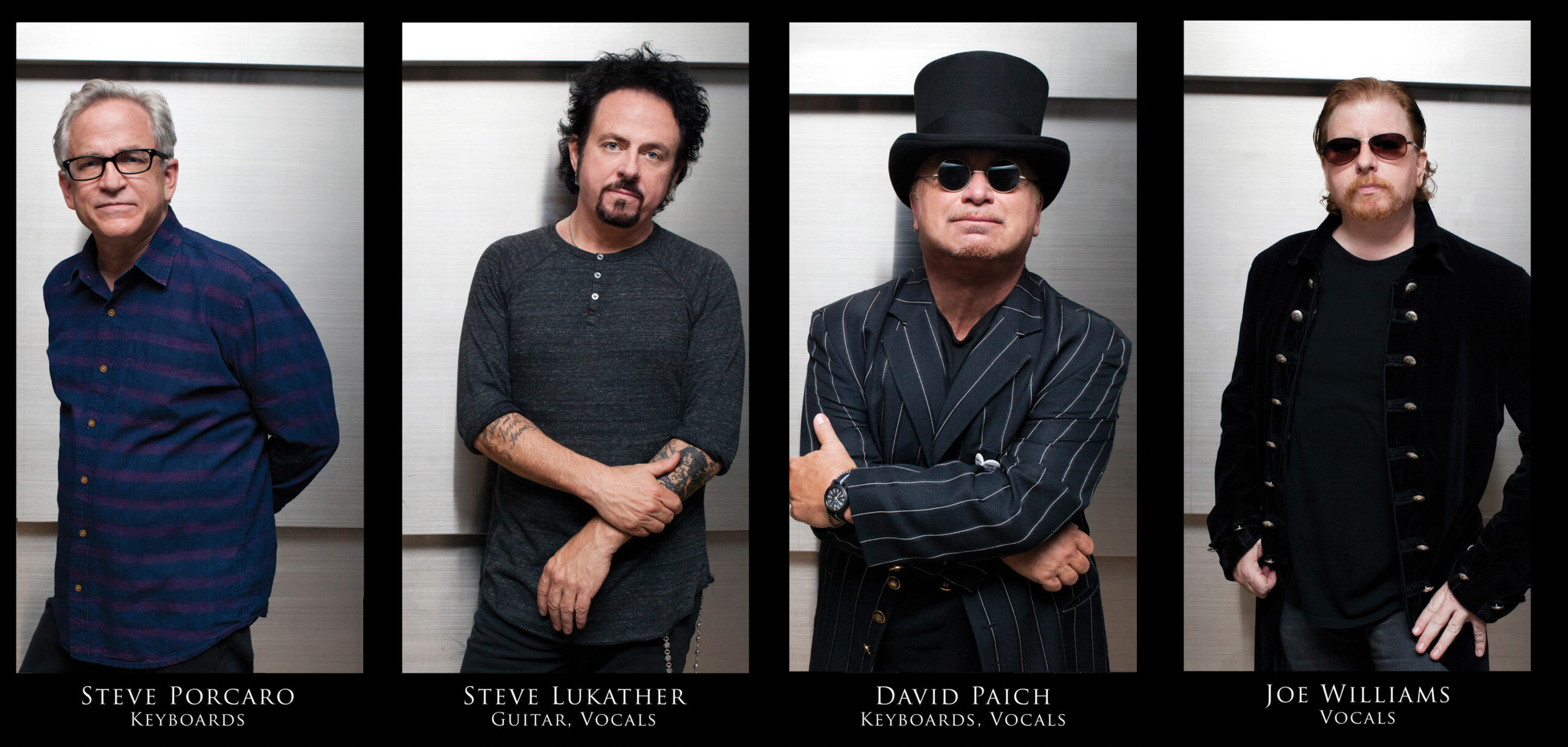
When Toto arrived in the late 1970s, they were not a typical new band learning on the job. They were already among the most in-demand musicians in Los Angeles. David Paich, Jeff Porcaro, Steve Lukather, David Hungate, Steve Porcaro and Bobby Kimball had deep studio credentials before Toto even had a hit. They had played on sessions for major artists, and that meant they entered the pop world with a level of precision and versatility few debut acts could match.
“Georgy Porgy” stood out because it did not charge at the listener. Instead, it leaned back. Built on a supple groove, soft electric piano textures and a gently teasing vocal, it brought a jazz-funk elegance to mainstream radio. In an era when disco, yacht rock, soul and polished pop were all crossing paths, Toto found a lane that felt both sophisticated and accessible.
How the song was written
David Paich and the nursery-rhyme spark
The song is credited to David Paich, Toto’s keyboard player and one of the group’s central songwriters. The title and lyric idea came from the old English nursery rhyme “Georgie Porgie, pudding and pie”, but Paich reshaped that familiar phrase into something flirtatious, modern and rhythmically smooth. Rather than turning it into a novelty, he used the nursery-rhyme hook as a memorable entry point for a grown-up groove.
That was one of Paich’s gifts as a writer: he could take a simple phrase and place it inside rich chord changes and an arrangement with real musical depth. “Georgy Porgy” has a relaxed surface, but underneath it is carefully constructed, with the kind of harmony and rhythmic control that came naturally to players who lived in recording studios.
A song designed for feel, not force
One reason the track has lasted is that it never sounds like it is trying too hard. The melody glides, the rhythm section leaves plenty of air in the arrangement, and the chorus arrives with a kind of smiling confidence. It is catchy, but not pushy. That balance made it radio-friendly while also earning respect from musicians who could hear how much finesse was built into the performance.
Inside the recording studio
The players who gave it its glow
Toto recorded their debut album with a level of musicianship that was almost unfair to their competition. On “Georgy Porgy,” the band’s core members delivered the song’s signature feel:
- David Paich helped shape the song’s harmonic character with keyboards and writing.
- Jeff Porcaro, one of the most admired drummers of his generation, gave the track its feather-light but deeply settled groove.
- David Hungate anchored the low end with tasteful bass playing that never overstates itself.
- Steve Lukather, lead vocals, added guitar touches that are clean, elegant, and perfectly measured.
There was also a crucial guest presence: Cheryl Lynn, whose backing vocal contribution adds a silky R&B sheen that helps define the record. Her voice does not merely decorate the track; it deepens its identity. At a time when pop and soul were feeding each other in exciting ways, that vocal blend was a big part of what made the song feel so fresh.
Produced with a studio musician’s ear
The album was produced by Toto together with veteran producer Geoff Workman. Workman had engineering and production experience with major artists, and he understood how to capture clarity without draining the life out of a performance. That mattered with a song like “Georgy Porgy,” where the magic lives in nuance: the soft snap of the snare, the smooth keyboard voicings, the way the vocal sits just right in the mix.
The recording has that late-1970s Los Angeles studio shine, but it never feels sterile. You can hear the human touch in the pocket of the rhythm section and in the little details that make the song breathe. It is polished, certainly, but not cold. That combination became one of Toto’s signatures.
The groove that musicians still talk about
If there is one secret ingredient, it is feel. Jeff Porcaro’s drumming on tracks like this helped define a whole approach to pop rhythm in that era. He had a way of making complex control sound effortless. “Georgy Porgy” does not need a huge drum statement; it needs poise, and Porcaro gives it exactly that. The same goes for Hungate’s bass work, which locks in beautifully and lets the song sway rather than stomp.
That subtle rhythm section approach is one reason the track has been sampled, covered and admired across genres. It leaves room for the listener to settle into it.
Chart performance and reception
A crossover hit
“Georgy Porgy” was released as a single from Toto’s debut album and became an early sign that the band could do more than one kind of hit. While songs like “Hold the Line” brought a more direct rock energy, “Georgy Porgy” showed their softer, groove-based side.
Commercially, the song performed especially well on R&B-oriented charts in the United States, where its smooth blend of pop, soul and jazz-funk found a natural home. It also reached the Billboard Hot 100, giving Toto another valuable foothold with mainstream audiences. That crossover appeal was significant. It suggested that Toto were not simply a rock band with studio chops; they were musical shape-shifters with an ear for what radio listeners wanted at different times of day.
How listeners heard it in 1979
By 1979, radio was full of stylistic overlap. Disco was still strong, adult contemporary was growing, jazz-inflected pop was thriving, and soul production was becoming sleeker. “Georgy Porgy” slipped neatly into that world. It had enough groove for R&B audiences, enough melodic softness for adult pop radio, and enough musical sophistication to appeal to listeners who liked Steely Dan, Boz Scaggs or the smoother edge of Earth, Wind & Fire.
It may not have been Toto’s loudest hit, but it was one of their most distinctive early calling cards.
Behind-the-scenes details that make it even better
Cheryl Lynn’s contribution was no small detail
One of the most frequently celebrated elements of the record is Cheryl Lynn’s vocal appearance. She was already making waves as a major talent, and her presence gave the track added credibility in soul and R&B circles. It is the kind of collaboration that now feels obvious in hindsight, but at the time it was a smart artistic choice that elevated the song’s texture and widened its reach.
A band built from first-call session talent
There is a wonderful irony in Toto’s early story: they were a brand-new act, yet they sounded completely seasoned because they were. Before becoming stars in their own right, these musicians had helped build other people’s records. That background meant they knew how to serve a song, how to keep an arrangement uncluttered, and how to make a track feel expensive without overplaying. “Georgy Porgy” is a textbook example of that discipline.
The title fooled some listeners
Because the title comes from a nursery rhyme, some listeners expected something lighter or more comedic. Instead, they got a sleek, late-night groove. That contrast probably helped the song stick in people’s minds. It is playful in concept, but elegant in execution.
Its place in the wider music era
Where pop, soul and jazz met under soft studio lights
The late 1970s were full of beautifully crafted records that blurred genre lines. Artists and bands were borrowing from jazz harmony, funk rhythm, soul vocals and pop structure, all while using increasingly advanced studio techniques. “Georgy Porgy” sits comfortably in that world. It belongs to the same broad conversation as the smoothest West Coast productions of the period, yet it has enough R&B depth to avoid sounding lightweight.
This was also a moment when highly trained musicians could still become pop stars without simplifying their style too much. Toto represented that ideal perfectly. They could play almost anything, and on “Georgy Porgy” they chose restraint over flash. That choice says a lot about the era’s best records: sophistication was often most powerful when it felt effortless.
Legacy and lasting charm
Why the song still feels good on the radio
“Georgy Porgy” has endured because it delivers a mood instantly. Within seconds, it creates a sense of ease. It is romantic without becoming syrupy, polished without becoming stiff, and catchy without wearing itself out. Those are difficult balances to strike, and Toto managed all three.
Over the years, the song has been revisited by R&B and jazz artists, sampled and cited by listeners who love the smoother side of late-1970s radio. It may not dominate every greatest-hits conversation in the way “Africa” or “Rosanna” do, but among fans of groove, arrangement and studio craftsmanship, it has a very secure place.
“Georgy Porgy” is the sound of master musicians proving that softness can be every bit as memorable as power.
That is really the heart of its legacy. It reminds us that some records do not need to shout. They just need the right players, the right pocket, and a melody that knows how to linger. Put it on a turntable, or hear it drift out of a car radio on a warm evening, and it still works the same quiet magic it did in 1979.