Those Glowing Eyes in the Village Street
What keeps Village of the Damned in regular conversation with classic film fans is not just the famous glowing eyes, but the film's cool intelligence and beautifully controlled tension. Beneath the eerie premise is a remarkably polished chiller that still feels fresh, unsettling, and surprisingly elegant.
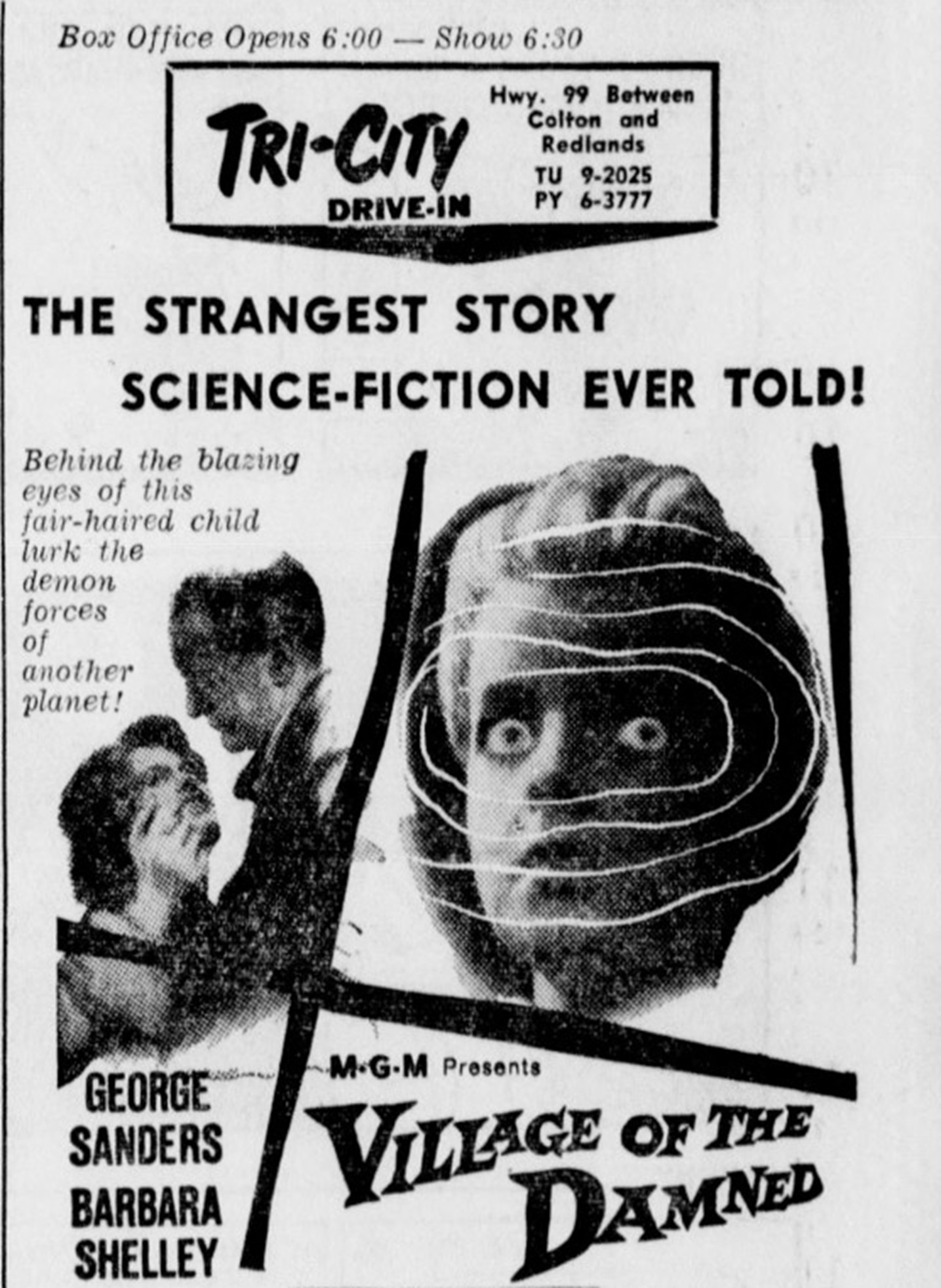
There are some films that do not need loud shocks or buckets of special effects to get under your skin. Village of the Damned from 1960 is one of them. It arrives with a cool, calm voice, a tidy English village, and an atmosphere so controlled that when the unease begins to spread, it feels even more powerful. For viewers who love classic cinema, this is a fine example of science fiction and horror meeting in a wonderfully restrained, intelligent way.
Directed by Wolf Rilla and based on John Wyndham’s novel The Midwich Cuckoos, the film tells the story of a quiet village that suddenly falls unconscious. After the mystery passes, every woman of childbearing age is found to be pregnant. Months later, the children are born, and before long it becomes clear that these are no ordinary youngsters. With their pale hair, eerie composure, and unsettling telepathic powers, they turn Midwich into one of the most memorable places in classic screen horror.
A masterclass in quiet chills
What makes Village of the Damned such a pleasure to revisit is its confidence. This is a film that never rushes. It lets the mystery breathe. It trusts the audience to lean in. Instead of battering viewers with noise, it builds tension through silence, stillness, and suggestion. That choice gives the film a lasting elegance.
The village itself is a big part of the magic. Midwich looks postcard-perfect at first glance, all neat homes and familiar routines. That ordinary setting makes the strange events feel even more disturbing. Horror often works best when it slips into the everyday, and this film understands that beautifully. The terror is not hidden in a castle on a hill or a distant planet. It walks down the village street in polished shoes and school uniforms.
There is also something very satisfying about the film’s measured pace. It unfolds like a great late-night radio feature, drawing listeners in one careful beat at a time. Every conversation matters. Every glance counts. By the time the children begin to reveal their true nature, the story has already wrapped the audience in a mood of quiet dread.
The children who changed screen horror
Let us talk about those children, because they are the heart of the film’s lasting reputation. Their look is unforgettable: matching expressions, pale blond hair, and those luminous eyes that seem to cut through every adult in the room. Yet what really makes them frightening is not just appearance. It is their absolute calm.
They do not rant. They do not snarl. They simply know. They move as a group, think as a group, and speak with a kind of detached certainty that feels deeply unnatural. In a genre filled with monsters that crash through doors, these children barely need to raise their voices. They command attention by standing still.
That image has echoed through decades of popular culture. You can see traces of Village of the Damned in later horror films, television stories, and even in the broader idea of the creepy child archetype. But this film remains special because it does not overplay its hand. The children are eerie because the film treats them seriously. There is no wink to the audience, no overdone theatrics. Just a steady, unsettling conviction.
Martin Stephens gives the film its icy spark
Among the young cast, Martin Stephens stands out as David, the most prominent of the children. It is a remarkable performance: composed, intelligent, and chilling without ever tipping into parody. His line delivery has a precision that feels far beyond his years, and that self-possession makes the character all the more unnerving.
Stephens had already made an impression in another classic ghost story, The Innocents, and here he confirms that he was one of the most memorable child actors of the era when it came to mysterious, ambiguous roles. He does not play David as a simple villain. Instead, he gives the character a strange logic, as though the boy truly cannot understand why the adults resist what seems inevitable.
Brains, morality, and a very human dilemma
One reason Village of the Damned has aged so well is that it is not only spooky; it is thoughtful. Beneath the science fiction mystery lies a moral puzzle. What do you do when the threat is real, but it wears the face of a child? How does a community respond when parental instinct, fear, duty, and survival all collide?
That dilemma is carried superbly by George Sanders as Gordon Zellaby. Sanders brings exactly the right qualities to the role: intelligence, dryness, authority, and a hint of weariness. He is the kind of actor who could make a line land with silk-smooth precision, and here he gives the film its moral centre. Zellaby is not a swaggering hero. He is a man trying to reason his way through the impossible.
His scenes with the children are among the film’s best. There is a fascinating push and pull as he recognises their abilities, tries to understand their purpose, and slowly realises the scale of the danger. Sanders plays these moments with admirable restraint. That restraint becomes heroic in its own way.
Village of the Damned works because it asks unsettling questions while keeping one polished shoe planted firmly in human drama.
Black-and-white beauty with a razor edge
There is something about black-and-white cinematography that suits this story perfectly. Without colour to soften the image, the contrasts feel sharper, the faces more sculpted, the atmosphere more severe. The glowing eyes of the children become all the more striking against the film’s crisp monochrome world.
The visual style is clean and uncluttered, which helps the uncanny details stand out. A classroom. A village green. A polite sitting room. These familiar spaces become charged with tension simply because of how the film frames them. It is stylish without showing off, and that kind of craftsmanship always wears well.
The special effects, modest by modern standards, are used with impressive discipline. The famous eye-glow effect remains iconic because it is deployed sparingly and for impact. It is a reminder that classic cinema often knew exactly when to hold back. Suggestion can be far more potent than excess.
A film that trusts the audience
Another pleasure is the screenplay’s intelligence. The dialogue is clear and purposeful, and the film never feels the need to explain every mystery into the ground. It leaves just enough unknown to keep the story haunting. That balance is not easy to strike, but Village of the Damned manages it with style.
For fans of classic science fiction, this is a real treat because it sits at the crossroads of several traditions. It has the speculative ideas of 1950s and 1960s sci-fi, the mood of a Gothic chillier, and the social anxiety of post-war Britain. Yet it never feels weighed down by its themes. It remains engaging, direct, and beautifully watchable.
What most modern viewers may be surprised by
Some first-time viewers come expecting a camp curio and are pleasantly surprised to find something far more poised. Yes, the premise is wonderfully strange, and yes, there are moments that have become part of horror history. But the film’s real strength is its seriousness. It plays the impossible as if it were a matter for sober discussion at the local council hall, and somehow that makes everything more unnerving.
There is even a faintly satirical edge in the way respectable society tries to manage the unmanageable. Adults cling to procedure, manners, and routine while facing a phenomenon that does not care about any of those things. That tension gives the film a sly intelligence beneath its chilly surface.
- Best feature: its calm, controlled build-up of tension
- Most memorable image: the children’s glowing eyes and blank expressions
- Standout performance: George Sanders as the thoughtful, conflicted Zellaby
- Still impressive today: the film’s ability to be eerie without overstatement
A classic worth welcoming back
Seen today, Village of the Damned feels like the cinematic equivalent of a much-loved late-night record: elegant, a little uncanny, and impossible to forget once it gets into your head. It is a film built on craft, atmosphere, and intelligence, and those qualities never go out of style.
For anyone exploring classic horror, this is essential viewing. For longtime fans, it remains a pleasure to revisit, not just for its famous moments but for how finely made it is from beginning to end. The performances are strong, the direction is assured, and the central idea still has the power to send a shiver through the room.
Most of all, Village of the Damned reminds us that some of the best chillers do not shout. They whisper. They watch. And in this case, they stare with glowing eyes from the front row of the classroom while the grown-ups realise, far too late, that the world has quietly changed.
If you are in the mood for a smart, stylish, deeply atmospheric classic, Midwich is well worth a return visit. Just do not expect the children to look away first.