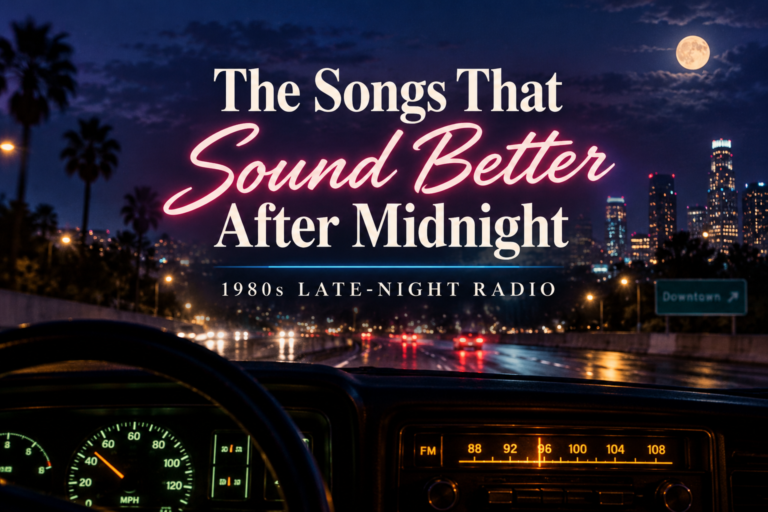
The Wonder of You on the Dial
As the applause settled around Elvis's Las Vegas performance in early 1970, a warm, stately ballad began to unfold. Within weeks, The Wonder of You was climbing charts and proving that sincerity still had enormous power on pop radio.
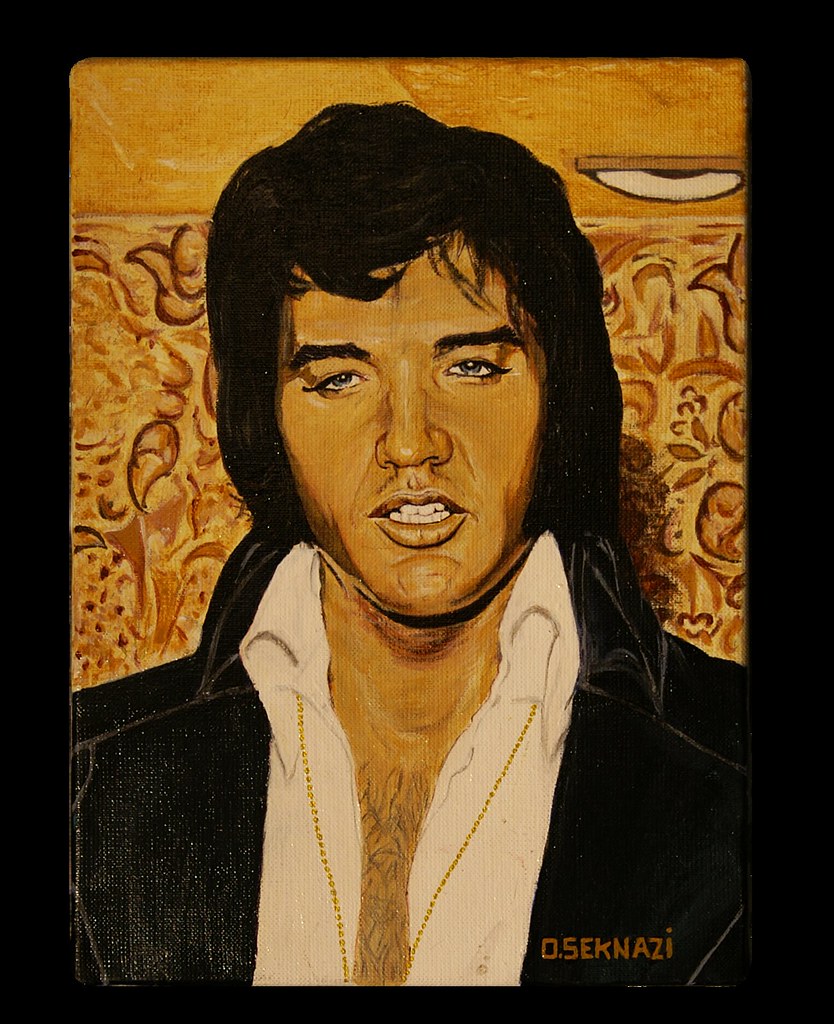
By 1970, Elvis Presley had already lived several musical lives: the young rock and roll rebel, the Hollywood star, the television comeback king. Then came The Wonder of You, a song that let him do something a little different. It was not wild, swaggering, or dangerous. It was warm, grateful, and full of open-hearted admiration. In Elvis’s hands, it became one of the defining ballads of his later career, a record that sounded majestic on the radio and deeply personal in performance.
For listeners, that is part of its enduring charm. The Wonder of You feels grand enough for a concert hall and intimate enough for a late-night dedication. It is one of those songs that seems simple at first, but the closer you listen, the more carefully built it reveals itself to be.
A song with a history before Elvis
Written by Baker Knight
The Wonder of You was written by the American songwriter Baker Knight, a gifted craftsman whose work was recorded by a wide range of artists. Knight had a talent for writing songs with direct emotional appeal, and this one is a perfect example. Its lyric is uncomplicated but effective: a declaration of love built not on drama or heartbreak, but on appreciation. That alone made it stand out in a pop landscape often filled with songs of longing and loss.
Before Elvis made it famous, the song had already had a life of its own. It was first recorded in the 1950s and was notably released by Ray Peterson in 1959. Peterson’s version was successful in the United States, proving that the song had strong melodic bones. Still, Elvis would give it a different scale and identity altogether. Where earlier versions leaned toward traditional pop, Elvis transformed it into a sweeping live showpiece.
Las Vegas gave the song its moment
Recorded live, but polished like a studio gem
One of the most appealing things about Elvis’s 1970 version is that it was recorded live. That matters, because the performance carries the electricity of the showroom while still sounding remarkably controlled. The recording came from Elvis’s engagement at the International Hotel in Las Vegas in February 1970, a period when he was proving that his post-comeback success was no passing revival. He was not simply revisiting old glory. He was building a new phase of his career in front of an audience every night.
The single was produced by Felton Jarvis, Elvis’s longtime producer during much of his later recording career. Jarvis understood how to frame Elvis’s voice in a richer, more contemporary setting without losing the singer’s emotional directness. On The Wonder of You, that balance is crucial. The arrangement is elegant and expansive, but the vocal remains the centre of gravity.
The credited live recording was captured with Elvis backed by his formidable stage ensemble. That meant the sound was shaped not only by the singer, but by a team of musicians who had become essential to his concert identity.
The musicians behind the glow
Among the key players were members of Elvis’s celebrated TCB Band, including guitarist James Burton, whose crisp, tasteful playing had become a hallmark of Elvis’s live sound. Burton was one of the finest guitarists of his era, equally at home with country precision and rock and roll bite. His presence gave Elvis’s stage performances a muscular confidence.
Also central were pianist Glen D. Hardin and drummer Ronnie Tutt, both masters at supporting Elvis while adding lift and drama. Hardin’s piano work helped anchor the song’s stately feel, while Tutt’s drumming gave the performance momentum without overwhelming its tenderness.
The vocal texture mattered just as much. Elvis’s live shows of this period often featured support from vocal groups and backing singers who added depth and grandeur. On records like this, those harmonies helped bridge the worlds of pop, gospel, and stage spectacle. That blend was a major part of Elvis’s sound in 1970.
Why Elvis’s version works so well
A love song without cynicism
There is something disarmingly sincere about The Wonder of You. It does not rely on cleverness. It does not hide behind irony. Instead, it offers straightforward devotion, and Elvis sings it as if he means every word. That sincerity was one of his greatest strengths. Even when a lyric was simple, he had the ability to make it feel lived-in.
By 1970, his voice had gained extra weight and colour. The youthful hiccup and snap of the 1950s had evolved into a fuller, more commanding instrument. On this song, he moves from gentle reassurance to soaring emphasis with remarkable ease. He sounds both powerful and grateful, which is exactly what the song needs.
The arrangement helps too. It rises in carefully timed waves, giving the chorus a sense of release. That is why the record lands so effectively on radio. It begins with intimacy, then opens outward, filling the room.
Chart success and commercial reception
A major hit in 1970
The Wonder of You was a substantial commercial success. In the United Kingdom, it reached number one, giving Elvis another major chart triumph at a time when the pop world was changing fast. That achievement is especially striking when you remember what surrounded it: rock was becoming heavier, singer-songwriters were emerging in force, and pop production was moving into new territory. Yet here was Elvis, with a romantic ballad recorded live in Las Vegas, still commanding huge attention.
In the United States, the single also performed strongly, reaching the Top 10 on the Billboard Hot 100. It was another reminder that Elvis remained commercially powerful well into the 1970s. For many artists of his generation, staying relevant after the first explosion of rock and roll was difficult. Elvis managed it by adapting without sounding as though he was chasing trends.
The record’s reception reflected that appeal. Fans responded to its emotional openness, while radio embraced its broad accessibility. It could sit comfortably beside adult pop, country-leaning material, and mainstream chart fare. Few singers could move across those lanes as naturally as Elvis.
Behind the scenes and on stage
A concert favourite with real audience energy
Because the hit version came from a live setting, the song carried the atmosphere of Elvis’s Las Vegas performances into people’s homes. That was part of the excitement. The applause, the pacing, the sense of occasion: all of it suggested that listeners were hearing not just a song, but a moment from a larger event.
Elvis had a gift for turning a ballad into theatre without overplaying it. In concert, The Wonder of You became one of those songs that invited total audience attention. It was not built around flashy rhythm or rebellion. It was built around presence. Elvis understood how to hold a room with that kind of material.
There is also an interesting contrast at work. Las Vegas in this era could be associated with glamour, scale, and show-business polish. Elvis brought all of that, but he also brought gospel feeling and Southern emotional directness. The Wonder of You sits right at that intersection. It is polished, yes, but never cold.
Felton Jarvis and the later Elvis sound
Producer Felton Jarvis deserves special mention for helping shape Elvis’s late-1960s and early-1970s recordings. Jarvis was skilled at surrounding Elvis with arrangements that felt contemporary and substantial. Strings, backing vocals, rhythm section, live ambience: these could have become too heavy in the wrong hands. Instead, on records like this, they support the singer’s phrasing and emotional timing.
That was no small achievement. Elvis’s later catalogue is often discussed in terms of his voice, and rightly so, but the production choices around him were essential. The Wonder of You is a fine example of how to make a live recording sound expansive and radio-ready while preserving spontaneity.
A perfect fit for its musical moment
Where classic pop met the 1970s stage
The broader era of music around 1970 was wonderfully varied. The Beatles were nearing the end, soul music was flourishing, country and pop were increasingly crossing paths, and live albums were becoming more important in rock. Elvis’s version of The Wonder of You belongs to that moment in an intriguing way.
It carries the melodic clarity of an earlier pop tradition, but it is delivered with the scale and confidence of the modern concert era. It also reflects how porous genre lines had become. There is a touch of country warmth in the phrasing, a gospel-like uplift in the emotional build, and the broad appeal of mainstream pop in the chorus. That mix was central to Elvis’s identity, and it helped keep him relevant.
In other words, the song was not old-fashioned in 1970. It was classic in the best sense: rooted in strong songwriting, but presented with contemporary force.
Legacy that lasted far beyond its chart run
Why the song still resonates
The Wonder of You has remained one of the most beloved songs from Elvis’s later years. It appears regularly on compilations, on radio, and in discussions of his finest ballad performances. Part of that endurance comes from the song’s universality. Its message is generous and uncomplicated, making it easy for each new generation of listeners to understand immediately.
It also helps that the record captures an artist in command of his mature gifts. This is not the explosive young Elvis of Heartbreak Hotel or Hound Dog. This is a seasoned performer who knows exactly how to use restraint, phrasing, and vocal lift to draw people in.
Over time, the song has come to represent something important about Elvis’s legacy: his ability to communicate tenderness on a grand scale. He could be exciting, playful, and magnetic, of course. But he could also make sincerity feel thrilling. That is harder than it sounds.
The lasting magic of The Wonder of You is that it feels both enormous and personal: a big-stage ballad sung with the warmth of a private thank-you.
More than five decades later, that quality still comes through the speakers. The record glows with professionalism, heart, and the kind of emotional clarity that radio has always loved. For Elvis, it was another hit. For listeners, it became something more enduring: a reminder that sometimes the simplest message, delivered by the right voice, can feel unforgettable.
- Songwriter: Baker Knight
- Artist: Elvis Presley
- Producer: Felton Jarvis
- Notable musicians: James Burton, Glen D. Hardin, Ronnie Tutt, with Elvis’s live ensemble and backing vocal support
- Release year: 1970
- Chart highlights: Number one in the United Kingdom; Top 10 hit in the United States