Could Any Song Feel More Like Sunshine?
A happy hit on the surface, this Stevie Wonder classic carries real musical love and cultural weight underneath the groove.
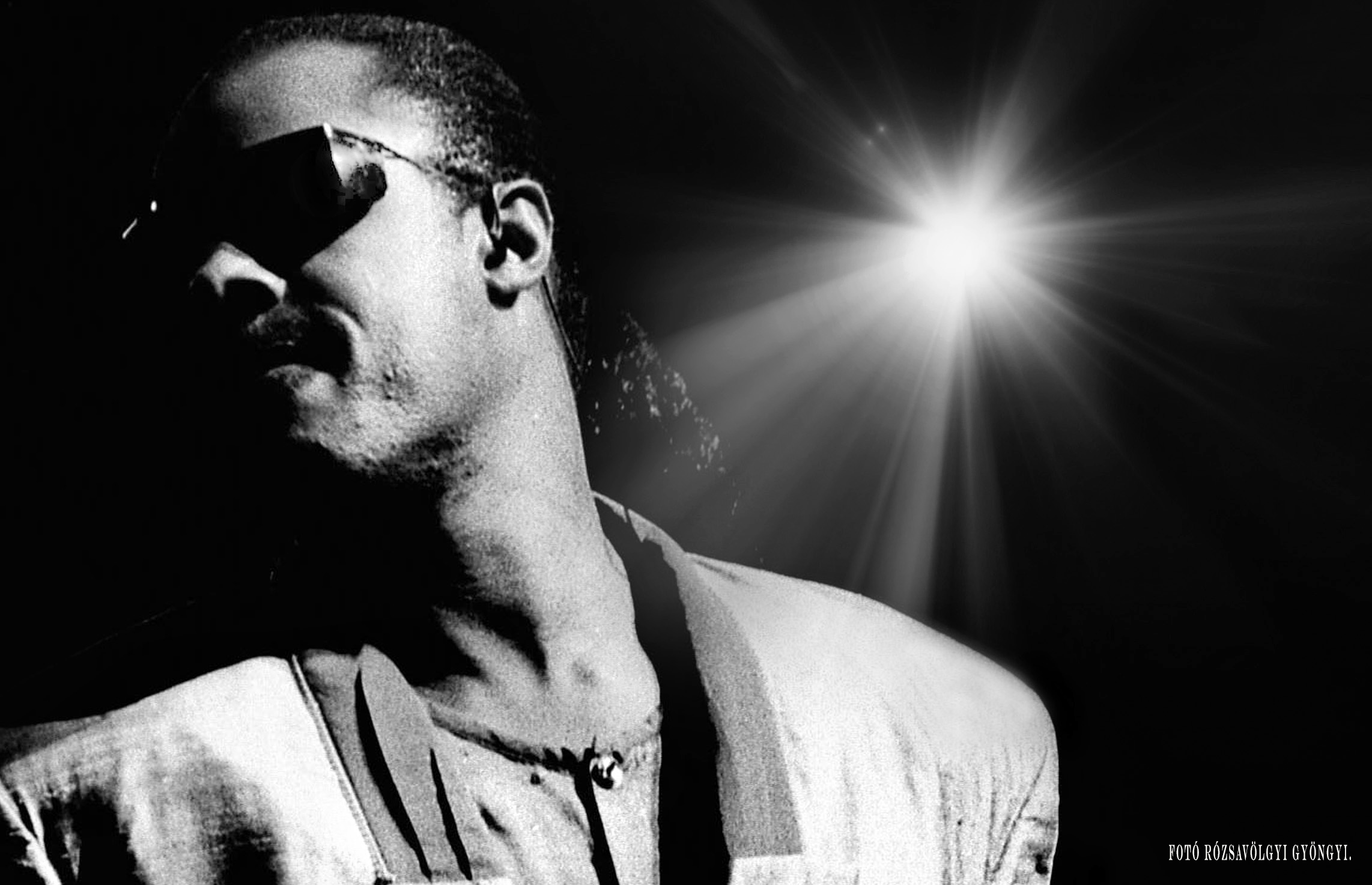
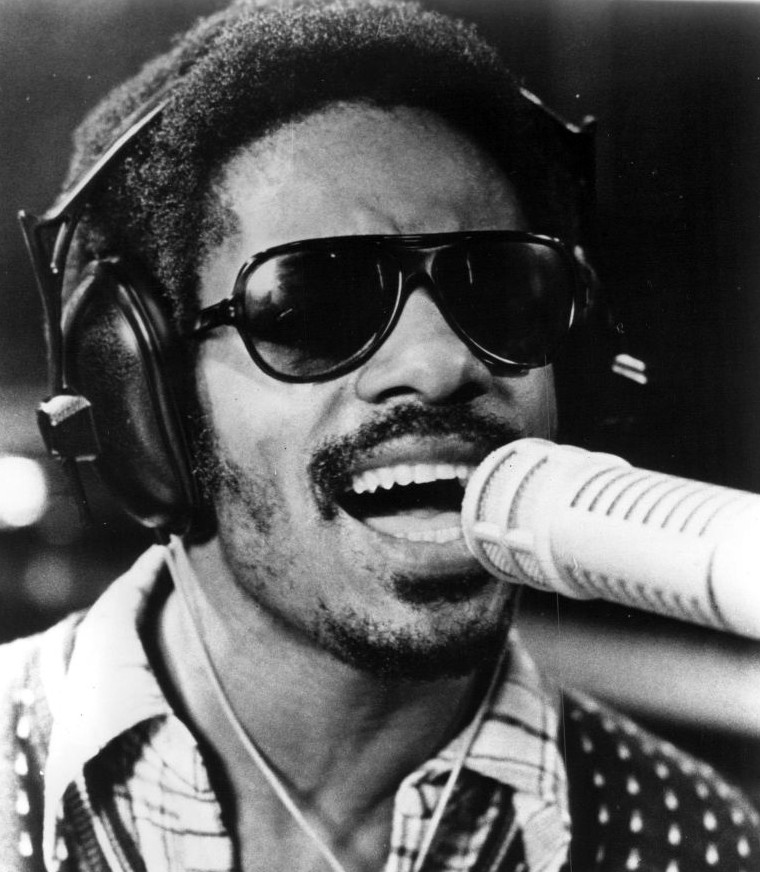
Some records seem to arrive carrying their own weather. Stevie Wonder’s Master Blaster (Jammin’), released in 1980, feels like bright afternoon light, open windows, and a room full of people moving to the same beat. It is warm, relaxed, and deeply joyful, but beneath that easy groove sits a carefully made tribute: a salute to Bob Marley, reggae’s global rise, and music’s power to bring people together.
By the time Stevie Wonder recorded the song, he was already one of pop music’s most admired creative forces. Yet Master Blaster (Jammin’) did not sound like a superstar repeating himself. It sounded like an artist listening closely to the world around him and turning that inspiration into something unmistakably his own.
A joyful tribute with a serious heart
Stevie Wonder’s salute to Bob Marley
Master Blaster (Jammin’) was written by Stevie Wonder as a tribute to Bob Marley and the spirit of reggae. Marley had become an international symbol of musical freedom, political awareness, and emotional truth in the 1970s, and Wonder admired him greatly. Rather than simply imitate Jamaican music, Stevie built a bridge between reggae and his own rich blend of soul, pop, funk, and R&B.
The title itself carries a playful spark. “Jammin’” points directly toward Marley’s world, while “Master Blaster” gives the song a larger-than-life energy, as if Stevie is introducing a musical hero with a grin. The lyrics celebrate music’s ability to lift people above hardship. There is happiness in the track, certainly, but it is not empty cheerfulness. It is the kind of optimism that knows life can be difficult and chooses joy anyway.
That balance mattered in 1980. Popular music was shifting quickly. Disco had dominated the late 1970s, punk had shaken things up, reggae had spread far beyond Jamaica, and black radio in the United States was embracing increasingly polished grooves. Stevie Wonder, always alert to new sounds, found a way to reflect that moment without chasing trends. He absorbed the reggae pulse and made it feel natural inside his own musical language.
How the song was written and recorded
The Hotter than July sessions
Master Blaster (Jammin’) appeared on Stevie Wonder’s 1980 album Hotter than July, a record that captured him sounding loose, confident, and socially aware. Stevie was the song’s writer, producer, arranger, and principal creative engine, which was typical of his classic period. Few artists of the era had that level of control while still making records that felt so spontaneous and welcoming.
The song was recorded during sessions in which Wonder continued doing what he did best: combining advanced musicianship with an instinctive feel for rhythm. He was famous for building tracks layer by layer, often playing multiple instruments himself and shaping every detail of the arrangement. On Master Blaster (Jammin’), that approach helped him create a groove that sounds effortless, even though it is meticulously constructed.
The musicians and the groove
Stevie Wonder is the central figure on the record, but the song’s easy swing also depends on the players around him. As with much of Hotter than July, the sessions drew on trusted collaborators and top-level studio musicians who understood how to serve the song rather than crowd it. The arrangement blends keyboard textures, bass, percussion, horns, and backing vocals into a groove that feels airy but full.
One of the cleverest things about the recording is the way it nods to reggae without becoming a strict genre exercise. The rhythm has the offbeat lift and rolling pulse associated with reggae, but the keyboard voicings, vocal layering, and harmonic color are pure Stevie Wonder. His voice glides over the beat with relaxed confidence, almost conversational in places, then rises into bright melodic phrases that make the chorus feel instantly familiar.
That is part of the song’s magic: it sounds simple enough to hum after one listen, but the construction is sophisticated. The bass line is buoyant, the percussion keeps everything gently in motion, and the arrangement leaves just enough space for the rhythm to breathe. It is music designed to make people smile and move at the same time.
Anecdotes from the era
One of the most charming facts about the song is how openly it wears its admiration. Many tribute songs keep their inspiration at a distance. Master Blaster (Jammin’) does the opposite. It invites Bob Marley’s spirit right into the room. That made it feel generous rather than calculated, especially at a time when reggae was becoming more visible in mainstream international pop.
There is also a broader Stevie Wonder story behind it. By 1980, he had little left to prove commercially, yet he still approached records with the curiosity of a younger artist. That willingness to keep listening outward, to absorb sounds from beyond his own immediate lane, helped keep his music fresh. In radio terms, this is one of those tracks that always sounds comfortable beside soul classics, pop favorites, and reggae staples alike.
The key people behind the record
Stevie Wonder as writer, producer, and architect
The most important name here is Stevie Wonder himself. He wrote Master Blaster (Jammin’), produced it, and shaped the arrangement. During this period, Wonder was one of the great all-in-one creators in popular music, with a rare ability to hear a complete record in his head and then build it piece by piece.
That matters because the song’s success comes from more than a catchy chorus. It comes from taste. Stevie knew exactly how far to lean into reggae, how much polish to add, where to place the keyboards, and how to keep the mood light without losing musical depth.
Backing players and vocal support
Like many Stevie Wonder recordings of the era, the track benefited from skilled supporting musicians and vocalists who helped turn his ideas into a living, breathing performance. Horns add sparkle, backing voices widen the chorus, and the rhythm section keeps the whole track floating forward. Even when the listener cannot name every player, their presence is essential. This is ensemble music disguised as pure ease.
Chart success and commercial reception
A major hit on both sides of the Atlantic
Master Blaster (Jammin’) became one of Stevie Wonder’s standout hits of the early 1980s. In the United States, it reached number one on the Billboard R&B chart and climbed into the pop Top 10, peaking at number five on the Billboard Hot 100. That was an impressive showing for a song so deeply shaped by reggae rhythm, and it demonstrated how naturally Stevie could bring different audiences together.
In the United Kingdom and other international markets, the song also performed strongly, helped by reggae’s growing popularity and Wonder’s already enormous reputation. Radio embraced it because it had instant appeal: a memorable hook, a danceable groove, and a mood that felt uplifting without sounding lightweight.
Why listeners connected with it
The song succeeded because it offered several pleasures at once. Pop listeners heard a great chorus. R&B audiences heard Stevie’s unmistakable melodic and rhythmic touch. Fans of reggae heard genuine respect rather than a shallow imitation. And casual listeners simply heard a song that made the day feel better.
That broad appeal is harder to achieve than it sounds. Plenty of crossover records feel engineered. Master Blaster (Jammin’) feels natural. It never strains for universal appeal; it earns it.
Its place in music history
Where soul, pop, funk, and reggae met
If you want to understand the musical atmosphere of the turn of the 1980s, this song is a wonderful place to start. Genres were talking to one another more openly than ever. Jamaican rhythms had entered the bloodstream of global pop. Black American music was evolving beyond the boundaries of 1970s soul and funk. Artists were experimenting with sleek production while still chasing warmth and human feeling.
Master Blaster (Jammin’) sits right at that crossroads. It is not a pure reggae record, not a straight soul track, and not simply a pop single. It is a conversation among styles, led by one of the era’s greatest musical communicators. That helps explain why it still sounds fresh. It belongs to its time, but it is not trapped there.
A lasting legacy
The song has endured as one of Stevie Wonder’s most cheerful and instantly recognizable hits. It remains a radio favorite because it brings energy without aggression and nostalgia without stiffness. Put it on, and the room changes. That is a rare quality.
It also stands as a reminder of how artists pay tribute best: not by copying, but by transforming admiration into something personal. Stevie Wonder honored Bob Marley by meeting him in a shared spirit of musical generosity. The result was a hit that expanded the sound of mainstream pop while keeping its heart firmly in joy, rhythm, and connection.
Master Blaster (Jammin’) is more than a catchy single. It is a musical handshake between worlds, delivered with a smile.
Why it still feels so good
There are songs you admire, and there are songs you live with. Master Blaster (Jammin’) belongs in the second group. It has craft, history, and cultural importance, but it never asks the listener to do homework. It simply opens the door and lets the groove do the talking.
More than four decades later, that sunny pulse still works its charm. Stevie Wonder captured something timeless in 1980: the idea that music can be sophisticated, heartfelt, and gloriously easy to enjoy all at once. That is why Master Blaster (Jammin’) still sounds like a celebration every time it comes on.
- Written by: Stevie Wonder
- Produced by: Stevie Wonder
- Album: Hotter than July (1980)
- Style: A blend of soul, pop, funk, and reggae
- US chart highlight: No. 1 on the R&B chart, No. 5 on the Hot 100