A Blitz Club Night That Changed Pop Forever
From North London's club scene to global chart success, Spandau Ballet brought style, soul, and unforgettable melodies to 1980s pop. Their biggest songs still glow on classic hits radio, with stories behind them that are every bit as compelling as the music.
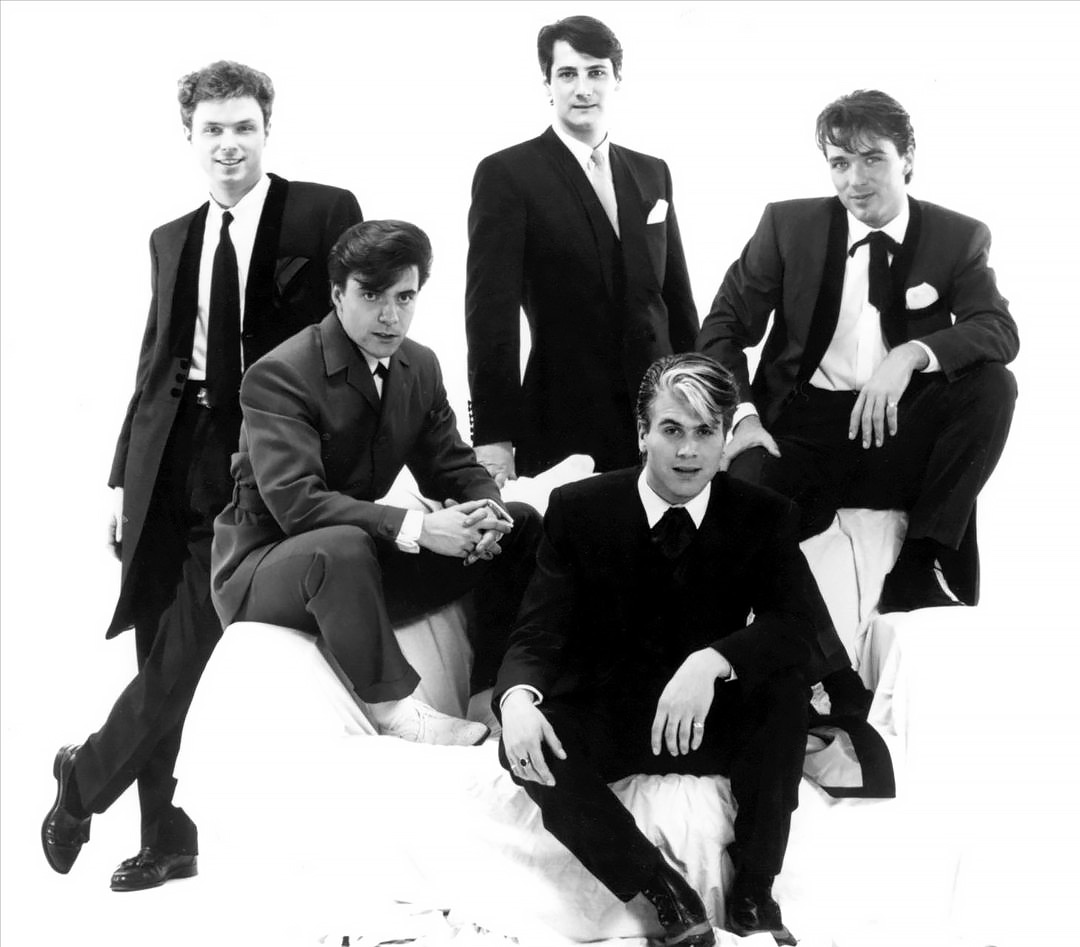
There are some bands that seem to arrive with a whole world already built around them. Spandau Ballet were one of those groups. They did not simply step into the charts with a few polished singles; they emerged from a particular time, place, look, and ambition. From the stylish clubs of late-1970s London to stadium stages and radio playlists across the world, they became one of the defining names of British pop in the 1980s.
For classic hits listeners, Spandau Ballet still carry a special glow. Their records have elegance, drama, rhythm, and heart. They could make a dance floor move with one song and stop you in your tracks with the next. And behind those immaculate records is a story full of friendship, determination, reinvention, and a few hard lessons too.
From North London friendships to a band with big ideas
At the centre of Spandau Ballet were brothers Gary Kemp and Martin Kemp, who grew up in North London. Gary in particular showed an early interest in music, songwriting, and performance. The brothers were surrounded by the energy of a changing London, where fashion, art, and music were beginning to collide in exciting ways.
They were joined by school friends Steve Norman and John Keeble, with Tony Hadley becoming the voice that would help define the group. Before the world knew them as Spandau Ballet, they were a set of young men with sharp instincts and serious ambition. They were not content to be just another pub band. They wanted identity. They wanted atmosphere. They wanted to create something people could see as well as hear.
That ambition found its home in the Blitz Club scene in London at the turn of the 1980s. This was no ordinary nightlife circuit. It was a creative hotbed where style mattered, image mattered, and originality mattered most of all. The New Romantic movement was taking shape, and Spandau Ballet became one of its flagship bands almost by instinct. Their early audience included fashion-forward club regulars, artists, and tastemakers who were looking for music that felt modern and visually striking.
It is easy now to hear the polished confidence of the hits and assume success came smoothly. In truth, the band built themselves carefully. They developed a following before they became chart stars, and they understood early on that presentation could amplify the music. Few bands of their era grasped that connection as naturally as Spandau Ballet did.
The breakthrough that turned style into chart success
Spandau Ballet’s first major breakthrough came with “To Cut a Long Story Short” in 1980. It was a remarkable debut statement: urgent, sleek, and perfectly tuned to the mood of the moment. The single reached the UK Top 10 and announced that this was not simply a fashionable club act. They had songs. Real songs. Songs that could travel beyond one scene and into the mainstream.
That early period produced more hits including “The Freeze”, “Muscle Bound”, and “Chant No. 1 (I Don’t Need This Pressure On)”. The last of those in particular became a major step forward. With its punchy groove and sense of urgency, it showed the band stretching beyond icy synth-pop into something more muscular and soulful. It also hinted at the restless musical curiosity that would shape their best work.
Then came the run that secured their place in pop history. By the time albums such as True and Parade arrived, Spandau Ballet had evolved dramatically. The sharp-edged club textures of the early years gave way to warmer arrangements, sophisticated songwriting, and a richer emotional palette. They were no longer simply representing a scene; they were becoming one of the era’s most accomplished pop groups.
Their commercial peak was enormous. They scored hit after hit, sold millions of records, and became international stars. In the United States, where many British acts struggled to break through, Spandau Ballet made a real impact. Their music crossed borders because it blended precision with feeling. It looked stylish, yes, but it also sounded human.
The songs that still light up the radio
For many listeners, the name Spandau Ballet instantly brings one song to mind: “True”. And with good reason. Released in 1983, it remains one of the most beloved ballads of the decade. From that opening phrase to Tony Hadley’s velvet-smooth vocal, it feels timeless. Romantic without becoming sugary, polished without losing warmth, it is a masterclass in restraint and melody.
Gary Kemp has often spoken about the inspirations behind “True,” and one of its most charming details is that it was written partly with the band Marvin Gaye in mind, reflecting Kemp’s love of soul music. The famous line “Listening to Marvin all night long” gives the song a personal, lived-in quality, as though we are hearing a memory turned into music. That may be one reason it still resonates so strongly on classic hits radio: it feels intimate even while sounding grand.
Then there is “Gold”, the song that turned confidence into pure pop theatre. Where “True” glides, “Gold” strides. It is bold, uplifting, and instantly recognisable, with a chorus that seems designed to fill a room. It has become one of those records that can spark smiles within seconds. On radio, it still has that effect of brightening the atmosphere, like sunlight catching a polished brass section.
Other essential favourites include:
- “Through the Barricades” – a sweeping, emotional ballad with one of Tony Hadley’s finest vocal performances
- “Lifeline” – soulful, stylish, and full of early-1980s confidence
- “Only When You Leave” – graceful pop with a memorable saxophone touch
- “Communication” – bright, rhythmic, and full of youthful urgency
- “I’ll Fly for You” – elegant and cinematic, showing the band’s taste for atmosphere
One of the pleasures of revisiting Spandau Ballet is hearing how varied their catalogue really is. They could do sharp electronic pop, blue-eyed soul, dramatic balladry, and radio-friendly anthems without sounding scattered. Their identity remained intact because the songwriting and musicianship held it all together.
More than New Romantic: the craft behind the image
It is tempting to place Spandau Ballet neatly inside the New Romantic movement and leave it there. Certainly, they were central to that world in the beginning. Their clothes, hair, visual flair, and club connections made them natural symbols of the era. But musically, they quickly grew beyond the label.
Gary Kemp’s songwriting became the band’s engine. He had a gift for structure, mood, and melody, but also for writing songs that sounded elegant rather than overworked. Tony Hadley’s voice gave those songs their emotional centre: rich, commanding, and instantly distinctive. Steve Norman added texture through guitar, percussion, and saxophone, while Martin Kemp and John Keeble helped anchor the band with style and discipline.
Their music often combined pop sophistication with soul influences, dance rhythms, and a cinematic sense of scale. You can hear echoes of funk, R&B, and classic songwriting craft running through their best records. That blend helped them stand apart from some contemporaries whose work was more tightly tied to a specific electronic trend.
In many ways, Spandau Ballet helped show that 1980s pop could be fashionable and substantial at the same time. They proved that visual identity did not have to come at the expense of musicianship. That influence can be heard in later bands who understood the power of combining image, songwriting, and emotional clarity.
“True” and “Gold” may be the giant landmarks, but the wider Spandau Ballet catalogue reveals a band that was always reaching for something richer than surface glamour.
Stories behind the fame
One of the most interesting aspects of the Spandau Ballet story is how closely friendship and friction lived side by side. Like many bands formed in youth, they were built on shared history. That chemistry helped create the records people still love, but it also made later tensions more painful.
Gary Kemp wrote the songs, and over time disputes over royalties led to a very public split within the group. It was a difficult chapter and a reminder that success can test even the strongest bonds. Yet that conflict is only part of the story, not the whole story. Their eventual reunion in the 2000s brought a sense of closure and celebration, allowing audiences to reconnect with the music in a new way.
There are also lighter, more surprising details in their history. The band’s name itself has long fascinated fans. Spandau Ballet is one of pop’s most unusual names, mysterious and unforgettable. Its exact origins have been discussed over the years, but whatever the route, it certainly achieved what every great band name should: it made people curious.
Another lesser-known point is just how respected Gary Kemp became as a songwriter among fellow musicians. While the glamour of the era often drew headlines, industry insiders understood that these songs were carefully built. And Tony Hadley, sometimes underestimated because of the band’s stylish image, remains one of the strongest vocalists to emerge from 1980s British pop.
The group members also built careers beyond the band. Martin Kemp became a familiar face as an actor, introducing him to television audiences who may not even have realised at first that he came from one of the decade’s biggest bands. That crossover helped keep the Spandau Ballet name in public memory even during quieter musical years.
Why Spandau Ballet still matter on classic hits radio
Classic hits radio thrives on songs that do more than trigger memory. The very best records also hold up in the present moment. That is where Spandau Ballet continue to shine. Their songs are crafted with enough care to reward repeat listening, but they are also immediate enough to work in a single burst from the speakers of a car, kitchen radio, or office stereo.
There is also an emotional range in their catalogue that makes them valuable to any playlist. Need elegance and romance? “True” is waiting. Need a lift of confidence and energy? “Gold” arrives like a fanfare. Need something dramatic and heartfelt? “Through the Barricades” still carries real weight. They are a band for different moods, different times of day, different kinds of nostalgia.
For listeners who lived through the 1980s, Spandau Ballet can bring back vivid images: nights out, first dances, long drives, television appearances, chart countdowns. For younger listeners discovering them now, the appeal is different but just as real. The songs feel crafted, melodic, and sincere in a way that cuts through fashion cycles.
Perhaps that is their greatest legacy. Spandau Ballet began in one of the most image-conscious scenes in modern pop, yet their best music outlasted the clothes, the hairstyles, and the trends. What remains are songs with shape, feeling, and personality.
And that is exactly why they belong on classic hits radio. They remind us of a moment when pop could be stylish without being cold, ambitious without losing heart, and grand without forgetting the melody. Put on a Spandau Ballet record today and you can still hear all of that in an instant.
From the Blitz Club to the global charts, Spandau Ballet gave the 1980s some of its most enduring songs. Decades later, those records still sparkle, still stir memories, and still sound ready for one more spin.