Al Green on the Dial
With that instantly recognisable falsetto and a run of velvet-smooth soul classics, Al Green turned intimacy into an art form. This spotlight looks at the church roots, Memphis magic, and timeless songs that keep him glowing on classic hits radio.
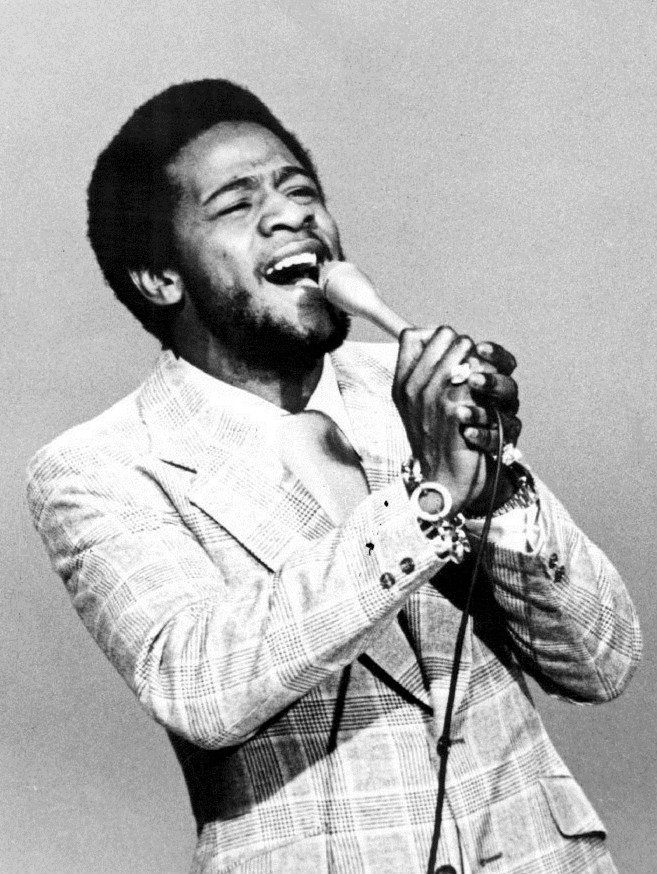
There are some voices that do not simply sing a song — they seem to lean across the room and speak directly to you. Al Green has always had that kind of voice. Soft but urgent, tender but full of fire, he could make a love song feel like a confession and a gospel number feel like a sunrise. For classic hits listeners, his records still arrive with that same magic: warm grooves, elegant melodies, and a voice that can turn a simple line into pure feeling.
Behind those timeless records is a story with plenty of twists — from gospel roots and hard early lessons to chart-topping soul classics, spiritual devotion, and one of the most distinctive careers in popular music. Al Green did not just make hits. He created a mood, a sound, and a standard that generations of singers are still chasing.
From Arkansas to the church stage
Albert Leornes Greene was born on April 13, 1946, in Forrest City, Arkansas, and grew up in a large family where music was part of everyday life. His father was a sharecropper, and the family later moved to Grand Rapids, Michigan. Like many great soul singers, Green’s first musical home was the church. He began singing gospel as a child, performing with his brothers in a group called the Greene Brothers.
Those early years mattered enormously. Gospel did more than teach him how to sing; it taught him how to reach people. In church, a song is not just performed, it is felt collectively. That emotional directness would become one of Green’s greatest strengths. Even when he later moved into secular soul music, he kept that sense of intimacy and spiritual intensity.
There is also a famous early turning point that says a lot about his path. As the story goes, Green’s father threw him out of the house after discovering that young Al had been listening to Jackie Wilson records. It was a dramatic collision between sacred expectations and secular temptation, and in many ways that tension stayed with Green throughout his career. He loved gospel. He loved soul. And somehow, in his greatest recordings, he found a way to bring the emotional truth of both worlds together.
As a teenager, he formed a vocal group called Al Greene & the Creations. They recorded a few songs and even had a modest hit with Back Up Train in the late 1960s. It was enough to show promise, but not enough to turn him into a star overnight. The real breakthrough would come when talent met the right collaborator.
The Hi Records breakthrough
If you want one key moment in the Al Green story, it is this: producer Willie Mitchell heard something special in him. Mitchell, the creative force at Hi Records in Memphis, had a gift for shaping records with polish, restraint, and groove. When Green connected with Mitchell, the chemistry was extraordinary.
Mitchell helped refine Green’s style rather than overpower it. He built arrangements that gave the singer room to breathe — crisp drums, silky horns, subtle guitar, and rhythm sections that moved with an almost effortless glide. Instead of burying Green in heavy production, Mitchell framed that voice like a spotlight.
The result was one of the great runs in soul music history. Beginning in the early 1970s, Al Green released hit after hit, each one carrying that unmistakable blend of sensuality, vulnerability, and grace. This was not soul music that shouted for attention. It drew you in.
His 1971 album Al Green Gets Next to You announced that something special was happening. Then came Let’s Stay Together in 1972, and suddenly he was not just a promising singer — he was a major star. The title track became his signature song and one of the defining records of the decade.
“Let’s stay together / Loving you whether, whether / Times are good or bad, happy or sad”
It is hard to overstate the power of that record. Smooth, romantic, and deeply human, it became a number one hit and remains one of the most beloved soul songs ever recorded. Green’s vocal performance is a masterclass in control: he glides, pleads, reassures, and soars, all without losing the song’s intimate feel.
The songs that made him unforgettable
Classic hits radio thrives on songs that still feel alive the moment they start, and Al Green recorded a remarkable number of them. His catalogue is full of records that sound both sophisticated and effortless.
- Let’s Stay Together — the crown jewel, a love song with elegance and emotional warmth.
- Tired of Being Alone — aching, soulful, and beautifully understated, with Green sounding as if he is singing from the edge of heartbreak.
- I’m Still in Love with You — tender and hypnotic, one of his most irresistible performances.
- Love and Happiness — groove-driven and joyous, with a rhythm that seems to roll on forever.
- Take Me to the River — a fascinating blend of spiritual imagery and secular emotion, later covered memorably by Talking Heads.
- Here I Am (Come and Take Me) — full of confidence and longing, with one of those choruses that stays with you.
- Call Me (Come Back Home) — elegant and emotionally rich, another example of how Green could make yearning sound graceful.
- Sha-La-La (Make Me Happy) — playful, bright, and impossible not to enjoy.
What makes these songs endure is not just melody, though Green had plenty of that. It is the emotional shading. He could sound flirtatious one moment, wounded the next, then suddenly lift into a falsetto that felt almost heavenly. His records were romantic, yes, but they were never flat or one-dimensional. They had ache, humour, desire, faith, and tenderness all woven together.
One especially interesting example is Take Me to the River. Written by Green and Mabon “Teenie” Hodges, it uses baptismal imagery in a song that can be heard as spiritual surrender, romantic longing, or both at once. That overlap was very Al Green: sacred language, earthly feeling, and just enough mystery to keep listeners coming back.
A voice unlike anyone else
Al Green’s musical style is often described as soul, and of course that is true. But that single label does not quite capture the full picture. His sound drew from gospel, Southern soul, rhythm and blues, and polished Memphis production, yet it always felt uniquely his own.
The voice is the obvious starting point. Green could move from a gentle whisper to a ringing falsetto in a heartbeat. He knew how to hold back, how to phrase behind the beat, how to make a pause feel dramatic. Many singers aim for power; Green often aimed for intimacy, and that can be even more powerful.
Then there is the band sound around him. The Hi Records house style was lean, elegant, and deeply rhythmic. The drums had snap, the bass lines were supple, the horns added colour rather than clutter, and the guitars often shimmered with light touch. It was danceable music, but never busy. There was air in the arrangements, and Green floated right through it.
His influence has been enormous. You can hear traces of Al Green in artists across soul, pop, R&B, and even rock. Singers such as Prince, Marvin Gaye in certain moods, D’Angelo, John Legend, and many others have drawn from that blend of sensuality and vulnerability. He also influenced how producers think about space in a record — how less can be more when the voice carries the emotion.
Faith, turning points, and the man behind the hits
One of the most compelling parts of Al Green’s story is that his life did not follow a straight line. At the height of his fame, he experienced dramatic personal and spiritual changes. In the mid-1970s, after a series of turbulent events in his private life, Green became increasingly devoted to religion and was ordained as a pastor. He would go on to lead the Full Gospel Tabernacle church in Memphis.
This shift surprised some fans who knew him primarily as a romantic soul star, but in another sense it made perfect sense at all. The church had always been there at the beginning. In later years, Green moved between gospel and secular music, and that dual identity became part of what made him so fascinating.
There is a revealing quote often associated with him: “I’ve never tried to be anybody else.” Whether in love songs or gospel performances, that authenticity comes through. He never sounded manufactured. Even his most polished records feel personal.
Another lesser-known detail that music fans love is just how important Willie Mitchell’s studio discipline was to those classic recordings. Green’s performances may sound spontaneous, but they were shaped with care. Mitchell knew exactly when to let Green improvise and when to guide him back to the emotional centre of a song. That balance between freedom and control helped create records that still sound fresh decades later.
And then there was Green’s stage presence. He was stylish, charismatic, and capable of turning a concert into something close to a revival meeting. Fans often remember the roses, the energy, the sense that he was not merely singing songs but inviting the audience into them.
Why Al Green still belongs on classic hits radio
For listeners today, Al Green matters because great records do not age out of relevance. They keep revealing themselves. Put on Let’s Stay Together or Love and Happiness, and they do exactly what a classic hit should do: stop you in your tracks, change the mood of the room, and remind you why radio has always been such a powerful companion.
His songs fit classic hits radio beautifully because they offer more than nostalgia. They bring craftsmanship, personality, and emotional truth. In a playlist, an Al Green record can cool the pace, deepen the mood, or add a spark of romance. His music has a lived-in warmth that still feels inviting through modern speakers, car radios, kitchen radios, and late-night headphones.
There is also something wonderfully behind the scenes about his legacy. When people talk about the golden age of soul, they often mention the big labels and the giant personalities. Al Green’s story reminds us that magic also comes from the right room, the right producer, the right band, and a singer who knows exactly how to deliver a line. Those Hi Records sessions in Memphis were not flashy. They were precise, soulful, and full of trust — and that is part of why they lasted.
For longtime fans, his records carry memories: dances, road trips, first loves, quiet evenings, family gatherings. For newer listeners, they offer an introduction to soul music at its most graceful and emotionally direct. Either way, Al Green continues to connect.
The lasting glow of a great soul voice
Al Green’s legacy is not only in awards, chart positions, or critical praise, though he has plenty of all three. It is in the way his records still feel personal. They do not sit behind glass like museum pieces. They live. They breathe. They speak.
That is a rare gift. Plenty of artists have hits. Fewer create a sound that becomes instantly recognisable within seconds. Fewer still can move between romance and reverence with such natural ease. Al Green did both, and in doing so he gave popular music some of its most enduring performances.
So when his voice comes through the radio — tender, soaring, unmistakable — it is more than just a familiar classic. It is a reminder of what soul music can do at its very best: comfort, seduce, uplift, and stay with you long after the final note fades.
And really, that is why Al Green remains essential listening. Some artists make records for a moment. Al Green made records for life.