
Bonanza vs Gunsmoke — two TV western giants, one unforgettable showdown

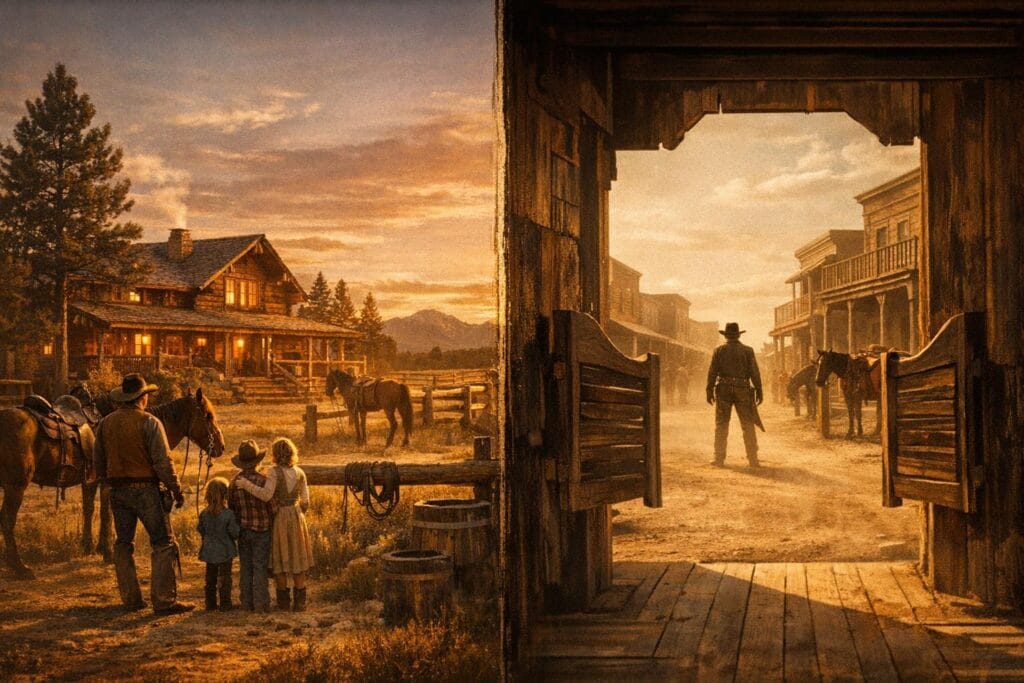
There was a time when the television schedule felt like a weekly gathering place, and few shows drew people in quite like Bonanza and Gunsmoke. These were not just popular westerns. They were institutions, familiar as a favourite record on the radio, dependable as Sunday dinner, and packed with the kind of characters audiences felt they truly knew.
If you grew up with either one, you can probably picture it in an instant: the wide-open frontier, the tense saloon doorway, the moral showdown, the music that told you exactly what kind of ride you were in for. But when fans talk about the great television western debate, one question always comes riding back into town: Bonanza or Gunsmoke?
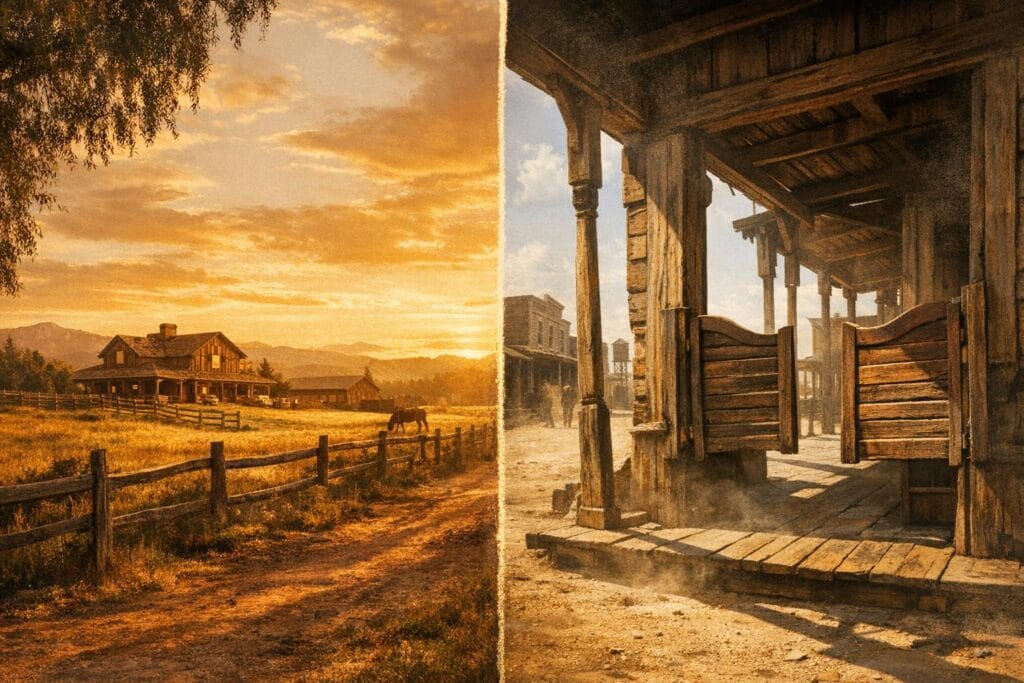
It is a wonderful comparison because these two classics were built from similar ingredients, yet they delivered very different flavours. One offered family warmth on a vast Nevada ranch. The other brought a tougher, dustier sense of justice to the streets of Dodge City. Both became legends. Both shaped television history. And both still have that irresistible pull when you catch an episode halfway through.
Two westerns, two very different worlds
Gunsmoke arrived first on television in 1955, already carrying the reputation of a successful radio drama. It centred on Marshal Matt Dillon, played with calm authority by James Arness, as he kept order in Dodge City. This was a western that often leaned serious. The dangers felt real, the choices were not always easy, and the town itself could seem worn down by trouble before the opening scene was even over.
Bonanza, which debuted in 1959, took a different route. Set around the sprawling Ponderosa ranch near Virginia City, it followed Ben Cartwright and his three sons: Adam, Hoss and Little Joe. Where Gunsmoke often felt like a lawman’s lonely burden, Bonanza felt rooted in family. Even when the action turned dramatic, there was usually a sense that home, loyalty and love were part of the story’s heartbeat.
That contrast is a big reason both shows could thrive side by side. They were westerns, yes, but they were not trying to do exactly the same thing. One had the texture of a hard-travelled ballad. The other played more like a rich, sweeping anthem.
Why audiences fell for Bonanza
Colour, scale and the Cartwright charm
One of the great pieces of timing in television history helped Bonanza stand out immediately: it was the first hour-long western filmed in colour for NBC. At a time when colour television was still a novelty in many homes, that mattered. The blue sky, the pine forests, the ranch house interiors and the famous opening map bursting into flames all gave the series a larger-than-life appeal.
But colour alone would not have made it a long-running hit. The real engine was the Cartwright family dynamic. Lorne Greene brought dignity and warmth to Ben. Pernell Roberts gave Adam a thoughtful, serious edge. Dan Blocker made Hoss one of television’s most lovable big-hearted characters. Michael Landon, as Little Joe, added spark, mischief and youthful energy.
Together, they created something audiences could return to week after week: a western with action, certainly, but also humour, affection and emotional stakes that felt close to home. In many episodes, the frontier problems were really family problems in boots and hats.
A western with room for heart
Bonanza had a gift for balancing adventure with feeling. It could deliver a cattle dispute, a robbery or a personal feud, then turn around and give viewers a moving story about loyalty, grief or forgiveness. That emotional range helped it reach beyond western fans and into family living rooms everywhere.
There was also a generosity to the show’s spirit. Even when danger was near, the Ponderosa often felt like a place of refuge. That warmth made the series especially memorable, and it is one reason so many viewers still speak of it with deep affection.
Why Gunsmoke became television royalty
Tougher stories, steadier nerves
If Bonanza invited you into a family, Gunsmoke dropped you into a town that needed holding together. James Arness played Matt Dillon with remarkable restraint. He was strong without swagger, commanding without theatrics. That quiet style gave the show its centre of gravity.
Around him was one of television’s great supporting ensembles: Milburn Stone as Doc Adams, Amanda Blake as Miss Kitty Russell and Dennis Weaver, followed later by Ken Curtis, in the role of Dillon’s trusted sidekick. They made Dodge City feel lived-in, layered and believable.
Gunsmoke also earned respect for the seriousness of its storytelling. This was not a western that rushed to easy answers. It dealt with fear, loneliness, greed, prejudice and survival. Even now, many episodes have a mature, thoughtful quality that still feels surprisingly modern.
The show that just kept riding
For years, Gunsmoke was the standard by which television westerns were measured. It ran for an extraordinary 20 seasons, a remarkable achievement in any genre. That kind of longevity says something powerful: viewers trusted it. They knew what they were getting, and they kept coming back.
There is a behind-the-scenes story that has become part of television folklore too. At one point, the series was reportedly close to cancellation, but support from CBS executive William S. Paley helped keep it alive. That decision turned out to be historic. Without it, one of television’s longest-running dramas might have ended far earlier.
Behind the scenes magic that made both shows sing
Part of the fun in looking back is realising just how much craftsmanship went into these programmes. These were not casual productions tossed together to fill airtime. They were carefully built worlds.
On Bonanza, the producers understood the power of image and identity. The opening credits alone were unforgettable, and the music gave the show instant recognition. Everything about it announced scale and confidence. The ranch set, the costumes and the rolling outdoor scenes all helped create a western that felt expansive and welcoming.
On Gunsmoke, the atmosphere was different but equally effective. Dodge City had grit. The streets looked dusty, the rooms looked worn and the people often looked tired in ways that served the storytelling. It felt less polished by design, and that grounded look gave the drama extra weight.
Both shows also benefited from strong writing at a time when television still treated weekly storytelling like an art form. Guest stars regularly appeared, many of them future household names. For actors, these westerns were major showcases. For viewers, they were a chance to see familiar faces pop up in unexpected roles before they became famous elsewhere.
That is part of the nostalgia today: not just remembering the stories, but remembering the confidence of television that took its time, built characters properly and trusted the audience to settle in for the ride.
So which one wins?
The cheerful answer is that it depends on what kind of evening you want.
- Choose Bonanza if you want warmth, family chemistry, sweeping scenery and a western that often wears its heart proudly.
- Choose Gunsmoke if you want tougher drama, moral complexity and a frontier town where justice comes at a cost.
If you are in the mood for comfort, Bonanza has that generous spirit. If you want a little more edge, Gunsmoke delivers it with quiet confidence. One is not better simply because it is bigger, longer or brighter. They worked because each knew exactly what it was.
The real winner is television history
Here is the lovely thing about revisiting Bonanza and Gunsmoke now: the debate is fun, but the bigger pleasure is seeing how richly both shows contributed to television’s golden age. They helped define the western on the small screen, shaped audience expectations for decades and gave us characters who still feel alive long after the final credits rolled.
They also remind us of a time when gathering around the TV was an event. These were shows people discussed at school, at work and over dinner. Their theme tunes, their stars and their weekly stories became part of the rhythm of everyday life.
So, Bonanza or Gunsmoke? Maybe the best answer is this: why choose when both still ride so well? One brings the big-hearted glow of the Ponderosa. The other brings the steady badge and dusty resolve of Dodge City. Put them together, and you have two towering chapters in television history, still impossible to resist when they appear on the screen.