Neon Menus, Plastic Trays, and a Friday Night Drive
Here's what made the biggest fast food chains of 1980s America feel so irresistible, from family bucket dinners to burger runs after dark. These were the places that turned a quick meal into a memory.
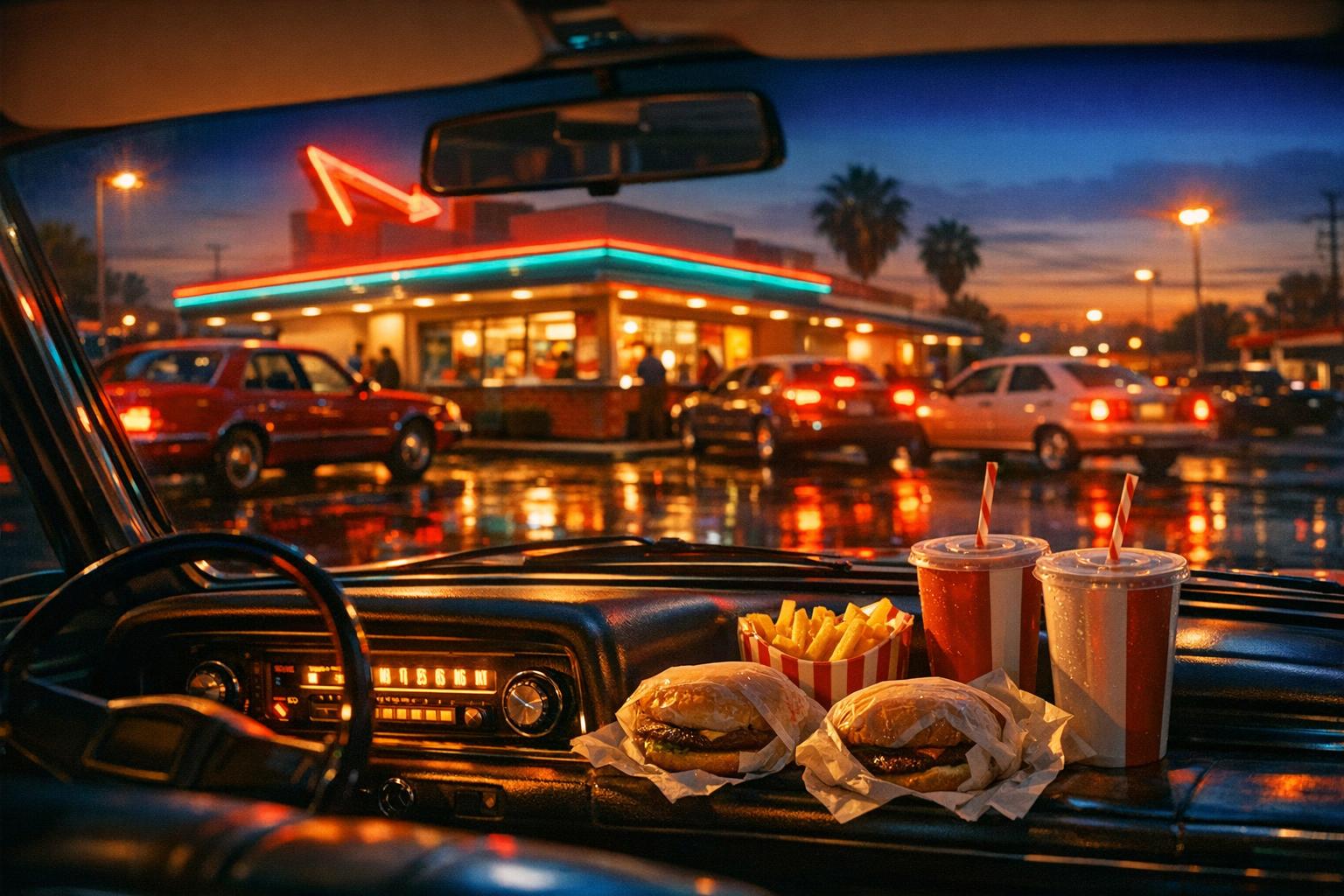
There was a special kind of excitement in 1980s America when the car turned into a fast food parking lot and the glowing sign came into view. Maybe it was after a football game, during a family road trip, or on a weekend errand run with the radio playing classic hits through the speakers. Fast food in the ’80s was more than a quick meal. It was a ritual, a reward, and for plenty of people, a small but unforgettable part of growing up.
The big chains of the decade were not just places to eat. They were gathering spots, birthday party venues, late-night stops, and road-trip landmarks. Their logos were everywhere, their jingles stuck in your head, and their menus helped define what convenient American eating looked like. Let us take a warm, nostalgic drive back to the fast food chains people in the USA could not wait to visit in the 1980s.
Why fast food felt bigger in the 1980s
The 1980s were built for speed, colour, and convenience. Families were busy, suburbs kept expanding, and the drive-thru became part of everyday life. Fast food chains leaned right into that moment with bright interiors, playful mascots, collectible promotions, and menu items that felt excitingly modern at the time.
This was also an era when brand identity really mattered. You did not just say you were getting a burger or a taco. You said where you were going. Each chain had its own look, taste, and personality, and loyal customers definitely had favourites.
The giants everyone knew
McDonald’s
If one chain towered over the decade, it was McDonald’s. By the 1980s, it was already a major force, but this was the period when it became even more deeply woven into American life. The Golden Arches were everywhere, and for many families, McDonald’s was the default answer to the question, Where should we stop?
The appeal was simple and powerful: familiar burgers, fries that seemed impossible to resist, cheerful service, and a sense that you knew exactly what you were getting every time. Happy Meals became a major attraction for children, turning a quick meal into a full event thanks to the toy in the box. Ronald McDonald remained one of the most recognisable mascots in the country, and the restaurants themselves often felt bright, busy, and full of energy.
For a lot of Americans, McDonald’s in the ’80s meant orange drink, paper-wrapped burgers, and the thrill of eating in the car before the fries got cold.
Burger King
Burger King was another major player, and it carved out a strong identity by offering flame-grilled burgers and a slightly more grown-up image. The Whopper was the star, and it gave the chain a signature item that loyal customers talked about with real affection.
In the 1980s, Burger King was often seen as McDonald’s biggest burger rival. Its advertising was memorable, its menu felt hearty, and it had a strong presence in shopping areas, along highways, and in suburban neighbourhoods. If McDonald’s was the all-purpose family stop, Burger King often felt like the place for people who wanted a bigger burger and that distinctive grilled taste.
Wendy’s
Wendy’s had a huge decade. With its square patties, old-fashioned style branding, and focus on fresh ingredients, it stood out in a crowded field. Then came one of the most famous advertising moments of the entire era: “Where’s the beef?”
That line became part of pop culture almost instantly. Even people who had not seen the commercial knew the phrase. It helped turn Wendy’s into one of the defining fast food names of the ’80s, and it gave the chain a sharp, funny identity. Add in menu favourites like baked potatoes and the Frosty, and Wendy’s felt like a chain that offered something just a little different.
The chains that brought variety to the table
Taco Bell
Not every fast food craving in the 1980s was about burgers and fries. Taco Bell became a go-to choice for people who wanted something different, affordable, and easy to grab on the move. Tacos, burritos, tostadas, and combination meals made it feel like a fun alternative to the standard burger stop.
For younger customers especially, Taco Bell had a casual, lively appeal. It was a place for quick lunches, after-school meals, and late-night runs with friends. In a decade that loved bold branding and fast convenience, Taco Bell fit right in.
KFC
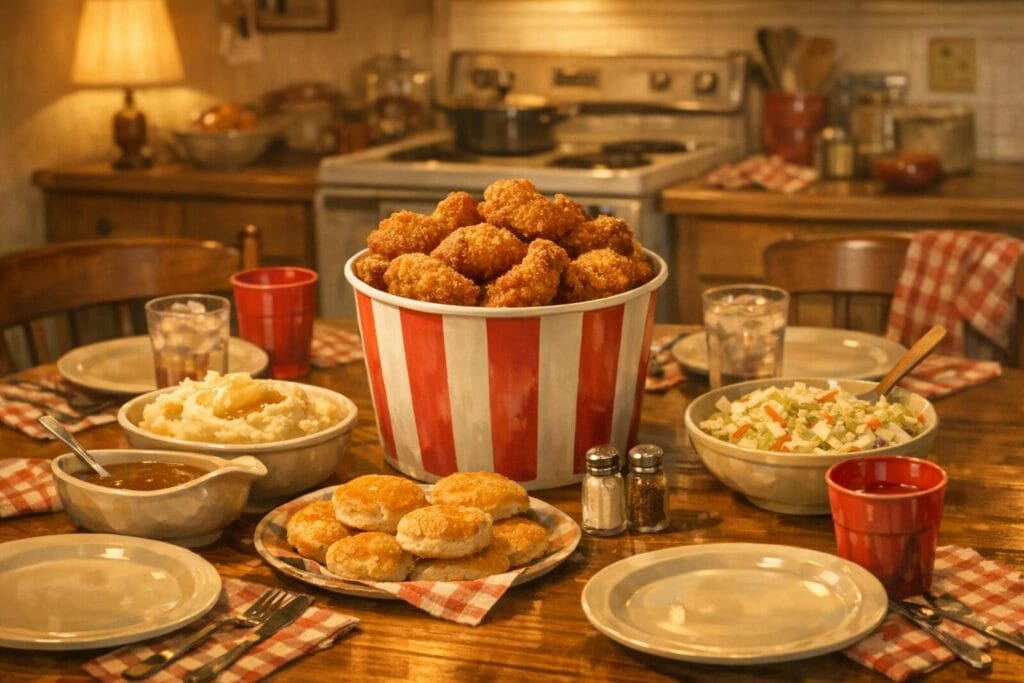
KFC had already been famous for years, but it remained one of America’s biggest fast food names throughout the 1980s. Fried chicken offered something a little different from the burger chains, and the family meal format made KFC especially popular for take-home dinners.
There was comfort in that bucket on the table. It felt generous, familiar, and perfect for nights when nobody wanted to cook. With mashed potatoes, biscuits, coleslaw, and gravy in the mix, KFC was often less about a quick solo meal and more about feeding a group.
Pizza Hut
Pizza Hut occupied a slightly different corner of the fast food world, but in the 1980s it was absolutely part of the big picture. For many Americans, Pizza Hut was where fast food met family dining. The red-roof buildings were iconic, and stepping inside could feel like a real occasion.
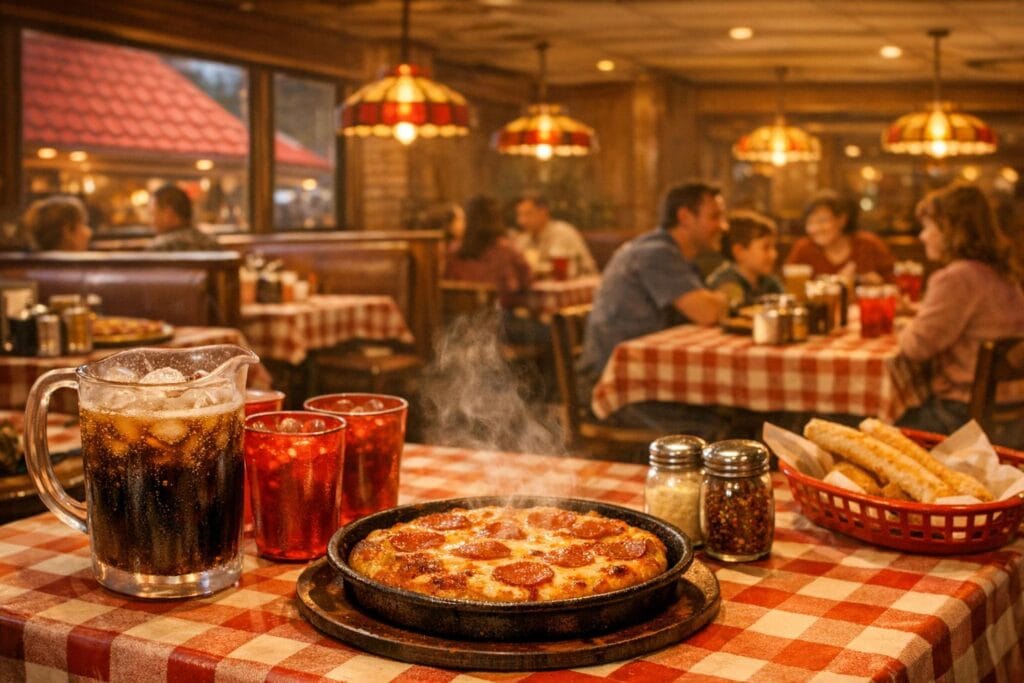
It was the place for team celebrations, birthday dinners, school-night treats, and those glorious personal pan pizzas. While takeout mattered, Pizza Hut in the ’80s was also about the dine-in experience: checkered tablecloths in some locations, pitchers of soft drinks, and that wonderful smell of hot pizza the moment the door opened.
Regional favourites and rising names
Arby’s
Arby’s gave customers something different again, with roast beef sandwiches instead of burgers. That alone helped it stand apart, and for many people, a trip to Arby’s felt like a change of pace from the usual fast food routine. Curly fries would become a major signature later, but even in the 1980s, Arby’s had a loyal following thanks to its distinctive menu and slightly more deli-like feel.
Dairy Queen
Dairy Queen was beloved for good reason. In many parts of the USA, it was both a fast food stop and a dessert destination. Burgers, hot dogs, and baskets of fries did steady business, but let us be honest: the frozen treats were part of the magic. A trip to Dairy Queen in warm weather felt like summer itself.
Whether it was a cone, a sundae, or a Blizzard by the middle of the decade, Dairy Queen had that happy, small-town-meets-roadside charm people still remember fondly.
Hardee’s and Carl’s Jr.
Depending on where you lived, Hardee’s or Carl’s Jr. might have been one of your local heavy hitters. These chains had strong regional identities and devoted customers. They were part of the broader fast food boom that made the 1980s such a competitive and memorable period for quick-service restaurants.
Even when they were not as nationally dominant as McDonald’s or Burger King, they mattered deeply in the communities where they thrived.
What made these chains so memorable
Part of the nostalgia comes from the food, of course, but a lot of it comes from the whole atmosphere. Fast food in the ’80s had a look and feel all its own.
- Bright interiors: bold colours, hard plastic seats, and cheerful lighting
- Collectibles and promotions: toys, cups, character tie-ins, and limited-time items
- Drive-thru culture: quick, convenient, and increasingly central to family life
- Memorable advertising: catchy slogans and commercials that became part of everyday conversation
- Reliable treats: the comfort of knowing your favourite order would taste the same every time
That consistency mattered. In a rapidly changing decade, there was something reassuring about pulling into a familiar chain and ordering the same meal you loved last time.
Fast food in the 1980s was not just about hunger. It was about anticipation, habit, and those little moments when an ordinary day suddenly felt fun.
A bite of nostalgia that still lingers
Ask people what they remember most, and you will hear details that instantly paint the picture. The crinkle of wrappers. The waxy paper cups. The smell of fries in the car. The tray liners covered in promotions. The play areas, the booths, the ketchup pumps, the paper hats, the family debates over where to stop.
The biggest fast food chains in the USA during the 1980s earned their popularity by becoming part of daily life. McDonald’s, Burger King, Wendy’s, Taco Bell, KFC, Pizza Hut, and others did more than serve meals. They created familiar places where memories happened.
And that is why these chains still hold such a powerful place in American nostalgia. One glance at an old logo or one mention of a favourite menu item, and suddenly you are right back there: the dashboard glowing, the parking lot lights shining, and dinner arriving on a plastic tray while a great song plays on the radio.