
Just played
Archive
Music
Records, charts, one-hit wonders and the stories behind the songs we still play.
Music
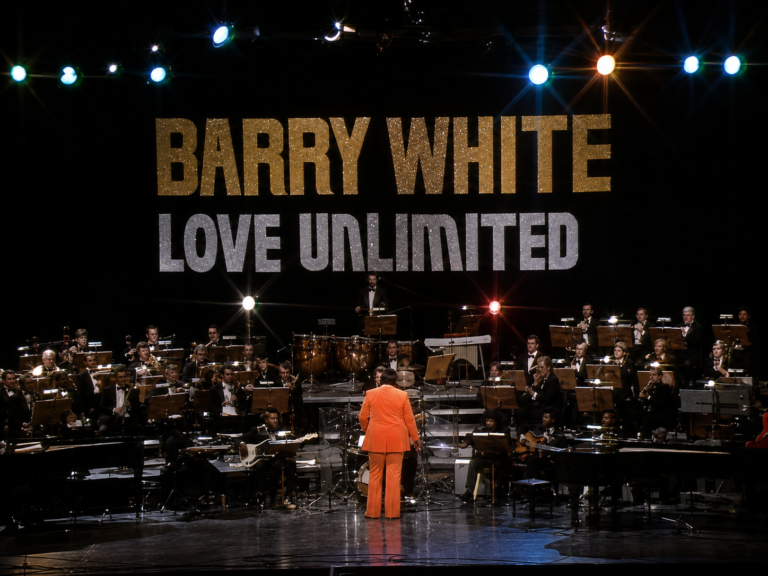
Strings in the Control Room: How “Love’s Theme” Turned Barry White’s Vision into a No. 1 Instrumental
What most listeners miss is how carefully “Love’s Theme” is built: beneath the romance, it is an expertly engineered pop record with…
Music
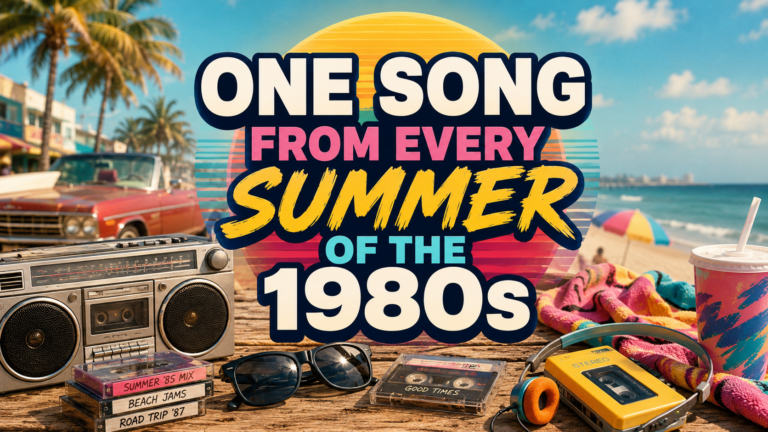
One Song From Every Summer of the 1980s
Take a musical trip through the 1980s as we pick one unforgettable hit from every summer of the decade—from Olivia Newton-John and…
Music
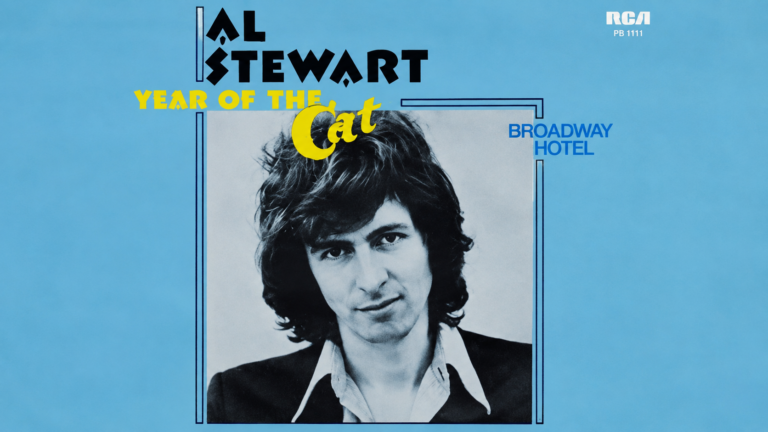
How Year of the Cat Cast Its Spell
The piano glides in like the opening shot of an old film, and suddenly the room belongs to Al Stewart. Year of…
Music
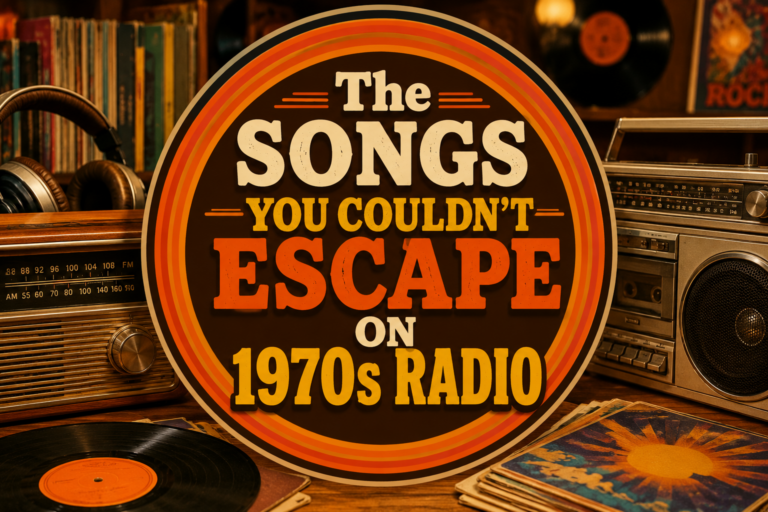
The Songs You Couldn’t Escape on 1970s Radio
These were the songs that seemed to be playing every time you turned on the radio during the 1970s. From "Hotel California"…
Music
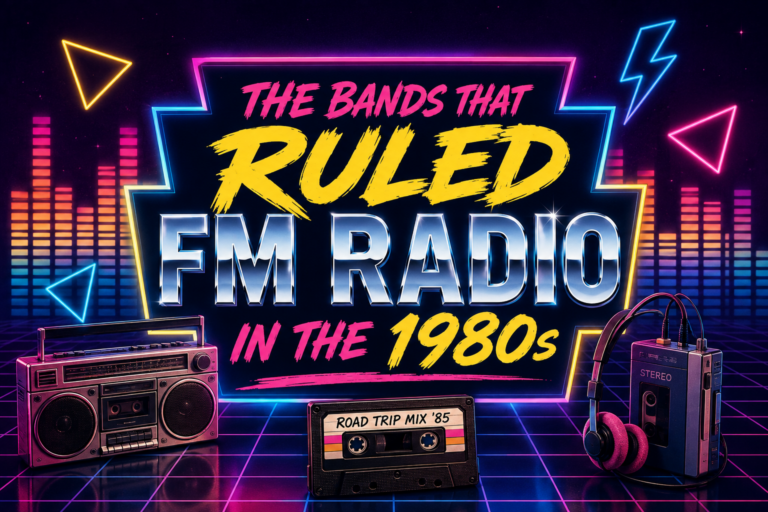
The Bands That Ruled FM Radio in the 1980s
Take a trip back to the golden age of FM radio as we revisit the legendary bands that dominated the airwaves throughout…

Music
The Mall Tour That Made Tiffany a Star
Before viral videos and social media, Tiffany became a household name by performing free concerts in shopping malls across America. Discover how…
Music
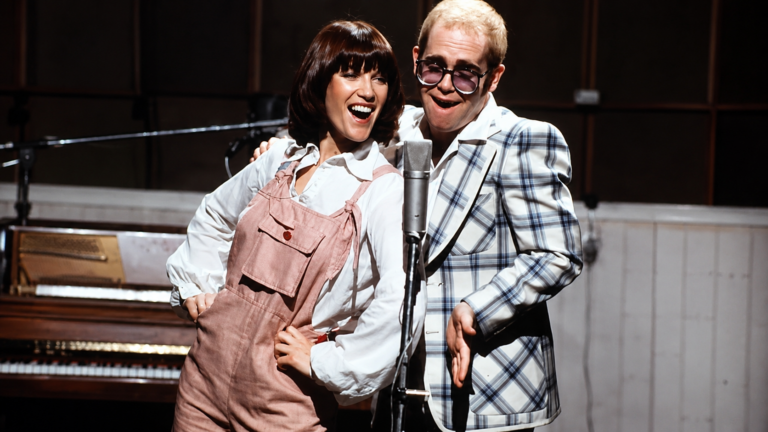
Can a Duet Get Any More Joyful?
What most people miss about “Don't Go Breaking My Heart” is how carefully built its carefree sparkle really is. That is exactly…
Music
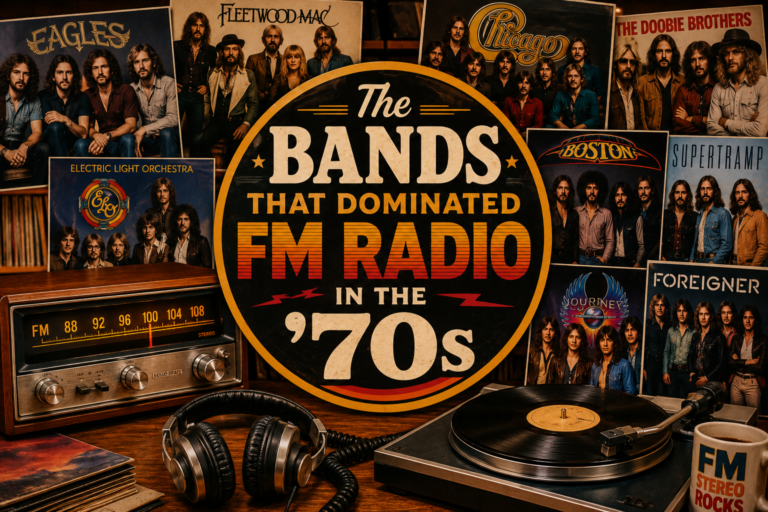
The Bands That Dominated FM Radio in the ’70s
Some bands didn't just top the charts—they owned the FM airwaves. From the Eagles and Fleetwood Mac to Boston and Supertramp, revisit…
Music
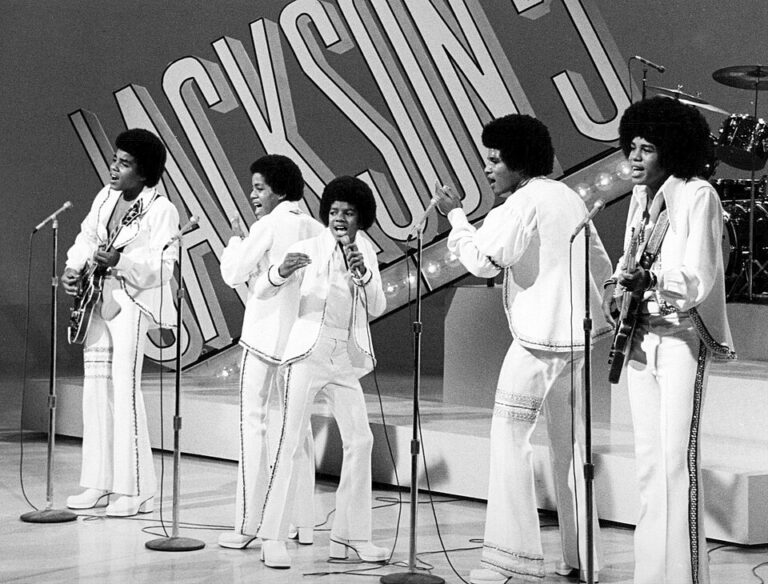
How Dancing Machine Took Over
Here's what made "Dancing Machine" such a jolt of joy on the radio: a futuristic funk groove, a perfectly timed Motown reinvention,…
Music
15 Amazing ’70s Songs That Never Reached No. 1
Some of the greatest songs of the 1970s never reached No. 1 on the Billboard Hot 100—but they've stood the test of…