Glenn Frey lit up 1985 with You Belong to the City
Glenn Frey’s You Belong to the City was more than a hit single in 1985. With its smoky saxophone, Miami Vice connection, and polished urban mood, it became one of the defining sounds of the decade.
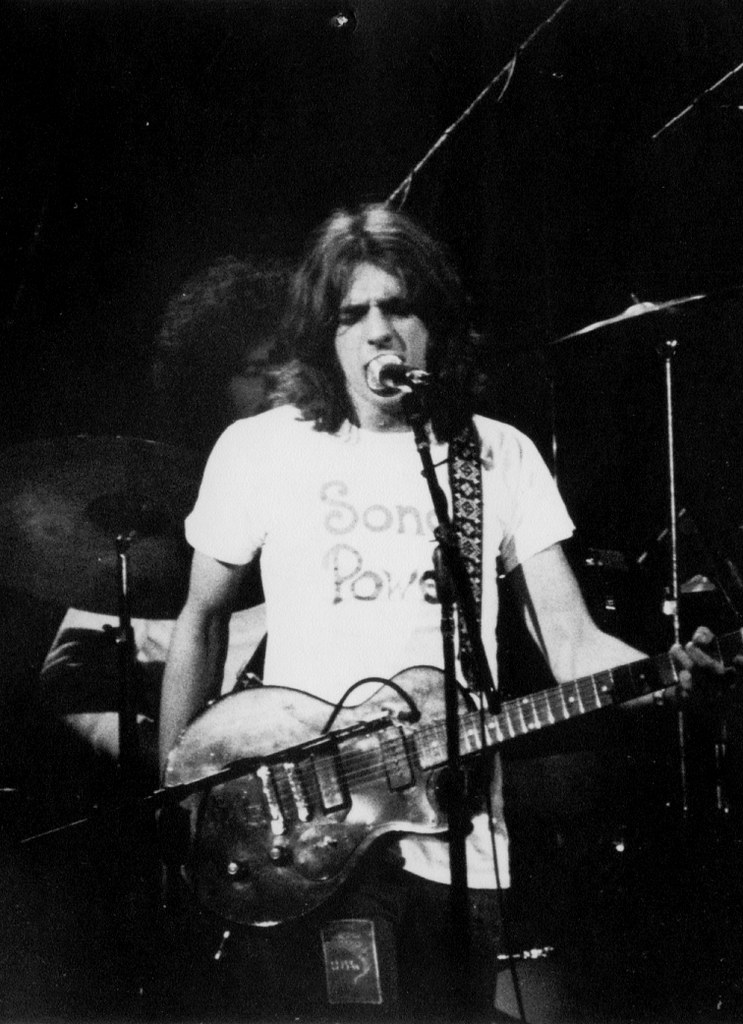
There are some records that do more than climb the charts. They create a place you can step into. Glenn Frey’s You Belong to the City, released in 1985, is one of those songs. From its first lonely saxophone line to its sleek, late-night pulse, the track feels like neon reflected on rain-dark streets, a fast car rolling through empty avenues, and the restless energy of a city that never really goes to sleep.
By the mid-1980s, Frey was already famous as a founding member of the Eagles, but this song helped define his solo identity. It was stylish, cinematic, and perfectly timed for an era when pop music was increasingly shaped by television, film, and a fascination with urban cool. Behind that polished surface, though, was a carefully crafted collaboration involving sharp songwriting, smart production choices, and one unforgettable saxophone performance.
How the song came together
A collaboration built for the screen
You Belong to the City was written by Glenn Frey and longtime collaborator Jack Tempchin. Tempchin had already played a major role in Frey’s career through his work with the Eagles, writing or co-writing songs including Peaceful Easy Feeling and Already Gone. He had a gift for lyrics that felt direct and vivid, and with You Belong to the City he and Frey tapped into a very different atmosphere from the California ease of the Eagles years.
The song was created for the hugely popular television series Miami Vice, a show that became a cultural force in the 1980s thanks to its stylish visuals, designer fashion, and carefully curated music. Frey even appeared on the programme as Jimmy Cole, a smuggler and pilot, which gave the connection an extra layer of authenticity. This was not simply a pop star lending a song to a TV series; Frey was stepping directly into that world.
The lyric captures a particular kind of urban loneliness: the idea of someone drawn to the city’s excitement even while being swallowed by its anonymity. It is romantic, but not in a soft-focus way. Instead, it is all headlights, shadows, and emotional distance. That mood made it a natural fit for Miami Vice, where music often served almost like an extra character.
In the studio: polished, moody, unmistakably 1985
The producers and the sound
The record was produced by Glenn Frey and Keith Olsen. Olsen was one of the key studio figures of the era, known for helping artists create radio-ready records with punch and clarity. His production work with Fleetwood Mac, Foreigner, and many others made him a trusted hand when it came to balancing rock muscle with pop precision.
Together, Frey and Olsen shaped You Belong to the City into something sleek and atmospheric. The arrangement leans into the sonic hallmarks of the mid-1980s: crisp drums, shimmering keyboards, a tight rhythm section, and that dramatic use of space that allows every major hook to land with impact. It is glossy, certainly, but never empty. There is tension in the track, and that is what keeps it compelling.
The saxophone that stole the spotlight
No discussion of the song is complete without its signature saxophone part, performed by Bill Bergman. That opening line is one of the most recognisable instrumental moments in 1980s pop-rock. It does exactly what a great intro should do: before Frey even starts singing, you already know the emotional temperature of the song.
In the 1980s, saxophone became a powerful shorthand for sophistication, seduction, and urban drama. On this track, it is not just decoration. It is the voice of the city itself: cool, lonely, and a little dangerous. Bergman’s playing gives the song much of its cinematic identity, and it remains one of the reasons the record still instantly evokes its era.
Frey the vocalist
Glenn Frey’s vocal performance is another key ingredient. He does not oversing the song. Instead, he delivers it with a controlled, knowing cool that suits the lyric perfectly. There is a storyteller’s confidence in his voice, but also a sense that he understands the character at the heart of the song: someone pulled toward the bright lights, even if they know the city can be unforgiving.
That restraint is part of what makes the track age well. Frey sounds less like a singer trying to impress and more like a guide taking you through the night.
Chart success and commercial reception
A major solo hit
You Belong to the City became one of Glenn Frey’s biggest solo successes. In the United States, it reached number 2 on the Billboard Hot 100, held back from the top spot but still becoming a defining hit of his solo career. It also performed strongly on the Adult Contemporary chart, where its polished sound and memorable hook found a wide audience.
The song’s success helped confirm that Frey could thrive outside the Eagles. That was no small achievement. When members of major bands go solo, audiences often compare every release to the group’s greatest work. Frey managed to avoid sounding like he was simply revisiting old territory. Instead, he embraced the 1980s with confidence and delivered a record that felt modern, stylish, and radio-friendly without losing his identity.
The Miami Vice effect
The song also benefited enormously from its association with Miami Vice. In the 1980s, television could turn a song into an event, especially when it was placed in a dramatic, visually striking scene. Miami Vice was particularly influential in this regard, often using pop songs almost like mini music videos inside the narrative.
That exposure helped You Belong to the City reach listeners who might not have been following Frey’s solo work closely. Once heard in that context, the song’s moody glamour became inseparable from the show’s identity, which gave it an extra commercial push.
Why it captured the era so perfectly
When pop music became cinematic
One of the most fascinating things about You Belong to the City is how neatly it sits inside the broader musical landscape of the mid-1980s. This was a time when pop and rock were becoming increasingly visual and atmospheric. MTV had changed the game, film soundtracks were huge business, and television producers were paying closer attention to how songs could shape mood and meaning.
Frey’s record fits right into that moment. It is not just a song you hear; it is a scene you can picture. That quality links it to other major records of the era that blended pop accessibility with a strong sense of place and style. The production is clean and contemporary, but the emotional core is classic: longing, movement, ambition, and the search for connection.
Urban romance and 1980s cool
The song also reflects a broader 1980s fascination with the city as a symbol. In popular music of the decade, cities were often portrayed as glamorous, dangerous, liberating, and lonely all at once. You Belong to the City captures all of that in just a few minutes. It is a song about belonging, but it is also about surrendering to a place that can thrill you and overwhelm you in equal measure.
That emotional mix gave the song staying power. It was never just about one television episode or one chart run. It spoke to a wider feeling in the culture.
Behind-the-scenes details and memorable anecdotes
A song tied closely to Frey’s screen presence
One of the most enjoyable details in the story of You Belong to the City is how thoroughly Glenn Frey became part of the Miami Vice universe. His acting appearance on the show strengthened the connection between artist and material. Viewers did not simply hear his voice over the action; they saw him inhabiting the stylish, high-stakes world the song described.
That crossover between music and television was a very 1980s phenomenon, but few artists managed it as smoothly as Frey did here. He looked entirely at home in that setting, which only reinforced the song’s authenticity.
Jack Tempchin’s lyrical instinct
Jack Tempchin’s contribution is worth underlining because he understood how to write lines that felt simple but carried atmosphere. The lyric of You Belong to the City does not overload the listener with detail. Instead, it sketches a mood and lets the arrangement do the rest. That economy is part of the song’s strength. It leaves room for the listener’s imagination.
It is a reminder that some of the best pop songwriting is not about saying everything. It is about saying just enough to open the door.
Legacy: the city lights still glow
A defining Glenn Frey solo statement
Today, You Belong to the City stands as one of the signature songs of Glenn Frey’s solo catalogue. Alongside hits like The Heat Is On, it helped establish him as an artist who could move beyond the Eagles’ country-rock roots and adapt to the sharper lines of 1980s pop-rock. That flexibility says a great deal about his instincts as a songwriter and performer.
For listeners revisiting the decade, the song remains a time capsule in the best sense. It preserves the textures, moods, and ambitions of its moment without feeling trapped by them. Yes, the production clearly belongs to 1985, but that is part of its charm. It wears its era proudly.
Still irresistible after dark
There is a reason the song still turns heads when it comes on the radio. The groove is immediate, the saxophone is unforgettable, and Frey’s performance has just the right amount of cool detachment. More than that, the song still delivers a little thrill of escape. It invites you into a world of midnight streets, glowing signs, and possibility.
You Belong to the City remains one of those classic 1980s records that feels larger than its running time: part hit single, part television moment, part urban postcard from a decade that loved style as much as substance.
And perhaps that is its real legacy. It reminds us that a great pop song can capture not only a melody, but an entire atmosphere. Glenn Frey did exactly that in 1985, and the lights of You Belong to the City have never really gone out.