Hey Jude turned a private comfort into a global singalong
Here's what made Hey Jude more than a hit single: a song written to comfort one child that grew into one of the world's great singalongs. Its story is full of studio surprises, emotional truth, and the kind of musical confidence only The Beatles could deliver.
Few records feel as instantly welcoming as Hey Jude. It begins like a personal conversation, almost gentle enough to lean in toward, and then slowly opens into one of the biggest communal moments in pop history. By the time that long, glowing coda arrives, it no longer sounds like one singer at a piano. It sounds like the whole world joining in.
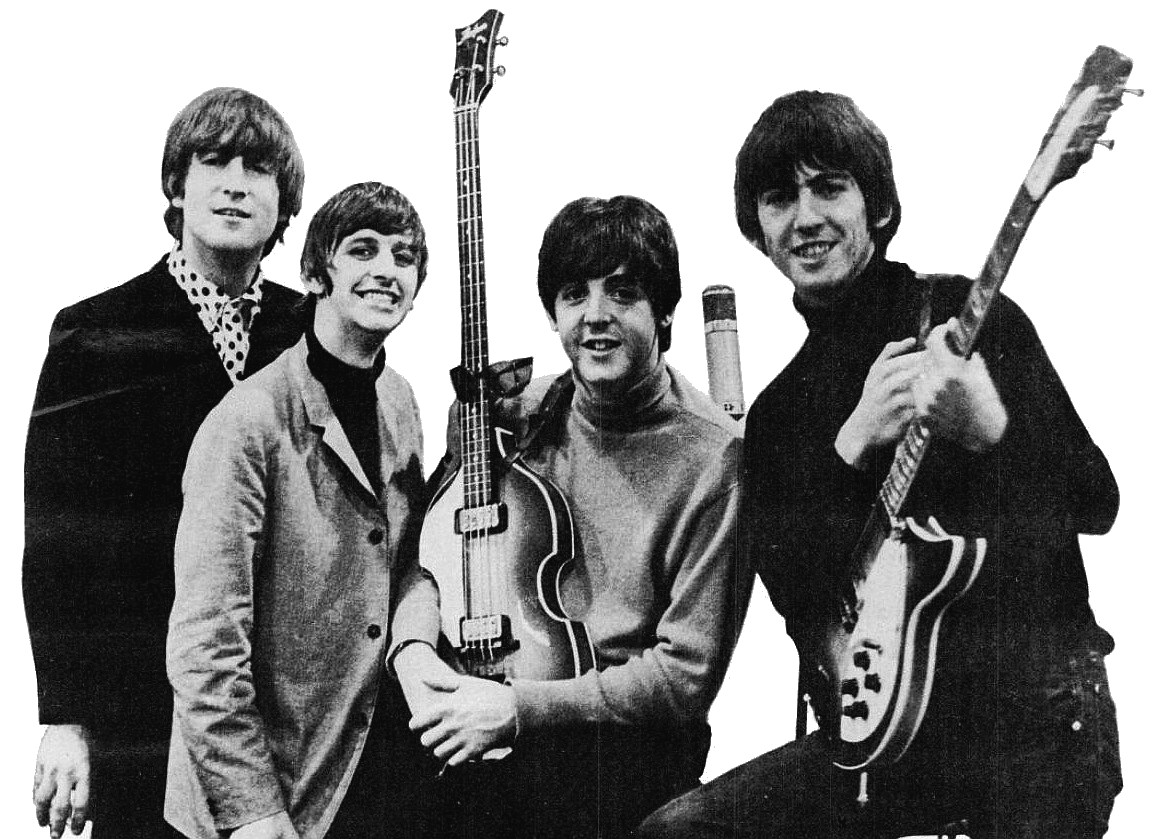
Released in 1968, not 1964, Hey Jude arrived at a fascinating moment for The Beatles: they were no longer the matching-suit phenomenon of the early Beatlemania years, but a group stretching popular music in every direction. The song carried intimacy, grandeur, emotional reassurance, and commercial power all at once. That balancing act is a big part of why it still feels fresh on radio today.
A song born from a difficult family moment
The story behind Hey Jude begins with John Lennon and Cynthia Lennon separating in 1968. Their young son Julian was caught in the emotional upheaval, and Paul McCartney, who had a close and affectionate bond with Julian, drove out to visit him and Cynthia. On that journey, Paul began composing a song meant to comfort the child.
The first title was reportedly Hey Jules, aimed directly at Julian Lennon. As the melody and words took shape, Paul changed it to Jude, partly because he liked the sound better. It gave the song a slightly broader, less specific quality too, allowing it to move from a private message into something universal.
Paul’s reassurance, John’s conviction
Paul has long described the song as an attempt to tell Julian that things would be all right: take a sad song and make it better. That simple emotional instruction became the heart of the lyric. It is one of Paul McCartney’s great gifts as a writer: taking a complicated feeling and expressing it in language so direct that millions of listeners can immediately step inside it.
John Lennon believed strongly in the song from the start. He even thought some lines Paul considered changing were among the best. John famously interpreted parts of the lyric in a more personal way, hearing echoes of his own life and his relationship with Yoko Ono. That says a lot about the song’s strength: it was written for one person, but it was open enough for others to find themselves in it.
Inside the studio: patience, scale, and a touch of chaos
Hey Jude was recorded during sessions in the summer of 1968, with George Martin producing. Martin’s role was crucial, as always, helping shape the Beatles’ ideas into something both polished and emotionally effective. By this stage in the group’s career, the four Beatles were experienced enough to push hard for what they wanted, and Martin was the steady musical architect who could help turn ambition into a finished record.
The key players
- Paul McCartney – principal writer, lead vocal, piano
- John Lennon – backing vocal, guitar
- George Harrison – guitar, backing vocal
- Ringo Starr – drums, backing vocal
- George Martin – producer, orchestral guidance
One of the most famous details from the session involves Ringo Starr. During one take, he had briefly stepped away, and Paul had already begun playing the opening piano section when Ringo quietly returned, slipped behind the drum kit, and came in at exactly the right moment. It is the kind of tiny studio drama Beatles fans treasure: a near-miss transformed into a perfect entrance.
An orchestra joins the party
The recording grew into something much larger than a standard rock band performance. A 36-piece orchestra was brought in to add richness and momentum, especially in the song’s epic closing section. George Martin helped arrange those orchestral textures, giving the record its sense of lift without overwhelming the emotional core.
There is also a wonderful anecdote about the orchestra members being asked not only to play, but to clap and sing the now-legendary na-na-na refrain. Some reportedly resisted at first, perhaps unsure about joining what might have seemed like pop-session crowd participation. In the end, many joined in, and that decision helped create one of the most recognisable singalong passages in music history.
A long song in a singles world
At over seven minutes, Hey Jude was unusually long for a single in 1968. In an era when radio-friendly pop songs were expected to be much shorter, releasing it as a major single was a bold move. Yet the Beatles were in a position where they could challenge those assumptions, and the emotional arc of the song justified every extra second. It starts in close-up and ends in widescreen.
That structure mattered. Rather than rushing toward a chorus and ending neatly, Hey Jude takes its time. It builds trust with the listener, then rewards that patience with a euphoric release. That was part of its magic then, and it still works now.
How the song performed on the charts
The commercial response was enormous. Hey Jude became one of The Beatles’ biggest-selling singles and a major international hit. It topped charts in multiple countries, including the United States, where it spent an exceptionally long run at number one on the Billboard Hot 100. It also performed strongly across Europe and beyond, confirming that its emotional clarity crossed borders with ease.
Why audiences responded so strongly
Part of the appeal was timing. By 1968, pop music was changing quickly. Audiences were hearing more ambitious production, more introspective writing, and more experimentation. Hey Jude somehow satisfied all of those developments while remaining deeply accessible. It was sophisticated, but never distant. It was grand, but not cold.
For radio listeners, it offered something rare: a song that felt both personal and public. You could hear it alone and feel comforted, or hear it in a crowd and feel connected. That dual quality made it ideal for heavy airplay, despite its length.
The cultural impact that never really faded
Some songs become hits. Others become part of shared human ritual. Hey Jude belongs in the second category. Its closing refrain has been sung in stadiums, concert halls, family gatherings, television specials, and countless ordinary moments when people simply wanted to join voices. Few records have such a clear built-in invitation to participate.
A bridge between eras
The song also sits at a key crossroads in late-1960s music. The early years of the decade had been driven by compact, energetic singles and youthful excitement. By the end of the 1960s, popular music was becoming more expansive, emotionally layered, and studio-conscious. Hey Jude captures that transition beautifully.
It still carries the melodic directness that made Beatle records so instantly memorable, but it also embraces the scale and confidence of a more adventurous era. In that sense, it is both classic Beatles and a signpost pointing toward where pop and rock were headed next.
An anthem without aggression
One reason the song has lasted so well is that its power is not based on rebellion or fashion. Its central message is encouragement. There is tenderness in it, and even its biggest moments feel inclusive rather than overpowering. That gives it remarkable durability. Musical styles change, production trends come and go, but reassurance delivered with this much craft does not date easily.
Memorable facts and stories fans still love
- It began as Hey Jules, written by Paul McCartney to comfort Julian Lennon during his parents’ separation.
- John Lennon championed the lyric, encouraging Paul to keep lines Paul had considered revising.
- Its length was unusual for a single, yet that did not stop it becoming a radio giant.
- The famous coda runs for minutes, turning a ballad into a communal chant.
- An orchestra helped make pop history, adding both instrumental weight and human voices.
Take a sad song and make it better may be one of the simplest instructions ever written into a pop lyric, and one of the most enduring.
Why Hey Jude still feels alive on the radio
There is a special thrill in hearing Hey Jude come on unexpectedly. The piano lands, the vocal enters, and for a moment the room changes. It does not matter whether you know every note or have only heard it in passing over the years. The record creates space for you. Then, as it gathers force, it gently turns listeners into participants.
That is the real legacy of the song. It was born from compassion, shaped by extraordinary musicianship, guided by George Martin’s production, and released at a time when pop music was learning how emotionally and structurally ambitious it could be. Yet for all its historical importance, it never feels like homework. It feels like company.
And that may be the most Beatles quality of all: taking something artistically daring and making it feel completely natural. Hey Jude did not just top the charts. It showed that a deeply human message, carried on a bold musical canvas, could become a lasting part of everyday life.