Never Too Much
Luther Vandross brought warmth, class, and pure feeling to every song he touched. From his early days as a sought-after backing singer to timeless hits like Never Too Much and Here and Now, his voice remains one of classic radio’s great treasures.
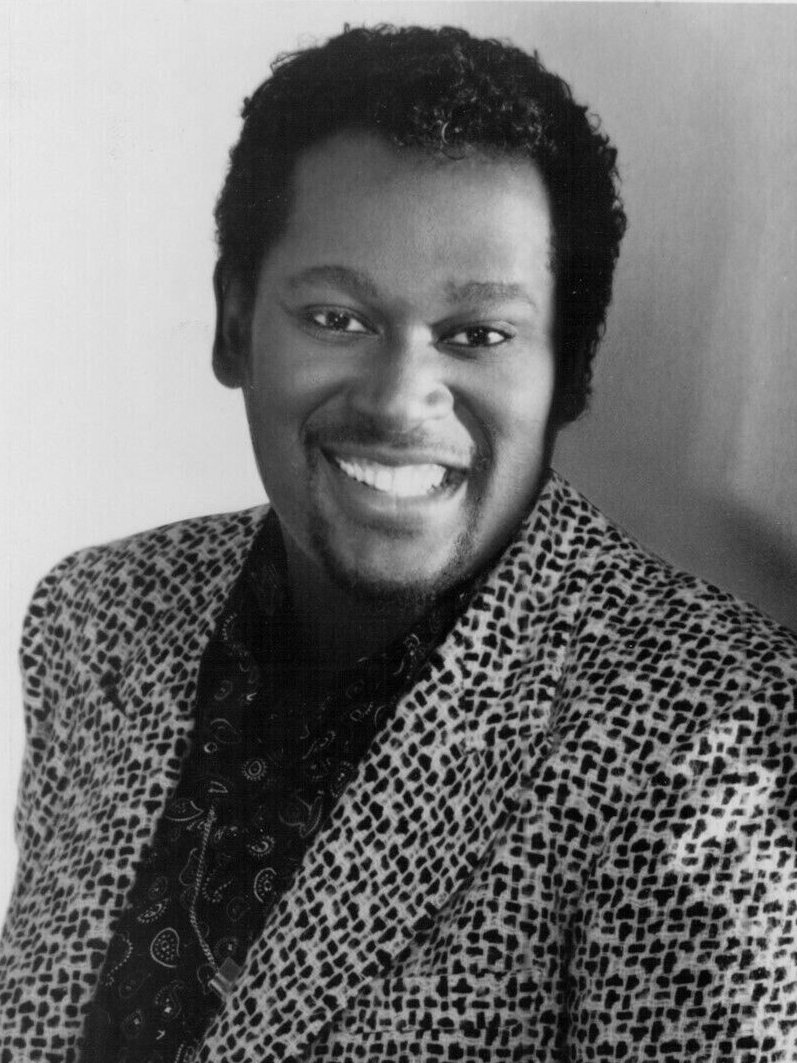
Some voices don’t just sing a song — they wrap themselves around it. Luther Vandross had that kind of voice: rich, velvety, instantly recognisable, and full of feeling. Whether he was delivering a joyous groove, a late-night slow jam, or a tender ballad that seemed to stop time altogether, Luther brought elegance and heart to every note. For classic hits listeners, he remains one of those rare artists whose records still feel luxurious the moment they come on the radio.
From Manhattan to the microphone
Luther Ronzoni Vandross Jr. was born in New York City on 20 April 1951 and grew up on the Lower East Side of Manhattan. Music was woven into family life early on. He was the youngest of four children, and after the death of his father when Luther was still a boy, his mother helped keep the household strong and close-knit. The records playing at home became part of his emotional education: soul, gospel, pop, and the great vocal stylists who could turn a lyric into a life experience.
He attended William Howard Taft High School in the Bronx, and even as a teenager, it was clear that music wasn’t just an interest — it was the centre of gravity. He formed a theatre workshop group called Shades of Jade, showing off not only his vocal talent but his instinct for arrangement and performance. Luther had a remarkable ear. He understood harmony, texture, and how voices could be layered to create something lush and unforgettable.
Before the spotlight found him, he put in the kind of apprenticeship that often shapes the greats. In the 1970s, Vandross became one of the most in-demand backing vocalists in the business. His voice appeared in places many listeners wouldn’t realise at first glance. He sang on sessions for artists including David Bowie, Roberta Flack, Bette Midler, Chaka Khan, Carly Simon, Donna Summer, and Diana Ross. That famous refrain on Bowie’s Young Americans? Luther Vandross was right there in the mix, helping give the track its gospel-soul lift.
He also worked in advertising, singing jingles with a polish and precision that must have made even breakfast cereal sound glamorous. It’s one of those delightful details about his career: before he became the voice of romance, he was lending his silky tone to commercials. But even then, his gifts were impossible to hide for long.
The breakthrough that changed everything
For years, Luther Vandross was admired within the music industry as a singer’s singer — the secret weapon, the exquisite background vocalist, the arranger who could elevate a session. Then came the moment when the wider world truly heard him as a star in his own right.
That moment arrived in 1981 with the album Never Too Much. It was a dazzling debut, full of confidence, groove, and sophistication. The title track, Never Too Much, burst out of radios with a smile in its voice. It was playful, romantic, and utterly infectious, with Luther gliding over the rhythm like he’d been headlining all along. The song became his signature hit and remains one of the great feel-good records of its era.
What made that breakthrough so satisfying is that it didn’t feel accidental. Vandross had spent years learning the craft from every angle. By the time he stepped forward as a solo artist, he knew exactly who he was. He wasn’t chasing trends; he was presenting a fully formed sound — smooth yet grounded, refined but deeply soulful.
The success of Never Too Much opened the door to a remarkable run through the 1980s and 1990s. Album after album found an audience eager for his blend of romance, class, and vocal mastery. He became a fixture on the R&B and pop charts, won multiple Grammy Awards, and built a catalogue that could soundtrack both a celebration and a quiet moment at home.
The songs that made hearts melt
Luther Vandross had a gift for making songs feel personal, as if he were singing directly to one listener. That intimacy is a big part of why so many of his records have lasted.
- Never Too Much — The joyful anthem that introduced him as a solo star. Bright, buoyant, and impossible not to move to.
- Here and Now — One of his most beloved ballads, often chosen for weddings and milestone moments. It showcased the emotional warmth that became his hallmark.
- Give Me the Reason — Sleek and polished, with that unmistakable Luther blend of yearning and control.
- Stop to Love — A wonderful example of his ability to make sophisticated production still feel effortless and inviting.
- So Amazing — Tender, graceful, and beautifully phrased, this remains a favourite for listeners who love his gentler side.
- Power of Love/Love Power — A big, uplifting performance that underlined his crossover appeal.
- A House Is Not a Home — His interpretation of the Burt Bacharach and Hal David classic became one of his signature performances, especially in concert, where he could stretch it into a breathtaking emotional journey.
- Dance with My Father — Released later in his career, this moving song carried extraordinary poignancy and introduced his artistry to a new generation.
His duets deserve a special mention too. The Best Things in Life Are Free with Janet Jackson brought him to a huge pop audience in the early 1990s, while his version of Endless Love with Mariah Carey paired two powerhouse vocalists in one of pop’s most cherished love songs.
And then there were the covers. Luther Vandross didn’t simply remake songs; he inhabited them. Whether tackling Dionne Warwick, Aretha Franklin, or classic standards, he brought a reverence for melody and a deep emotional intelligence. He knew when to hold back, when to soar, and when to let a single line break your heart.
Why his voice stood apart
There are technically gifted singers, and then there are singers who make technique disappear. Vandross belonged firmly in the second category. His control was extraordinary, but it never sounded clinical. Instead, his voice felt warm, lived-in, and deeply human.
He could move from a whisper-soft phrase to a full-bodied crescendo without losing elegance. His phrasing was masterful. He understood the drama inside a lyric and could colour a word just enough to make it linger. That’s one reason his ballads remain so powerful: he sang about love not as an abstract idea, but as something fragile, thrilling, complicated, and real.
Musically, he sat at a beautiful crossroads. There was classic soul in his delivery, gospel in his emotional reach, pop in his accessibility, and jazz-like sophistication in his arrangements. His records often featured polished production, but beneath the sheen was old-school craftsmanship. You can hear the care in the harmonies, the patience in the build of a song, and the respect for melody in every performance.
“If only for one night” — even a line like that could sound monumental in Luther Vandross’s hands.
He was also admired by fellow musicians for his exacting standards. Vandross was known to be deeply involved in arranging, producing, and shaping his recordings. He cared about details, and that attention gave his music a timeless quality. Nothing feels rushed. Nothing feels careless.
Stories, surprises, and the man behind the music
One of the most charming lesser-known facts about Luther Vandross is just how respected he was long before mainstream fame arrived. In industry circles, he had a reputation as a perfectionist with impeccable taste. He knew what a song needed, and he wasn’t afraid to work until it sounded right.
Another lovely detail is his connection to television and jingles in his early years. It’s easy to picture the future star in a studio, delivering short commercial hooks with the same polish he later brought to international hits. It says something about his professionalism: no job was beneath his full effort.
His friendship and collaborations with other major artists also reveal how trusted he was. David Bowie admired him. So did countless vocalists who saw in Vandross a model of control and emotional truth. He was the sort of artist other artists listened to carefully.
There’s also the famous story of his devotion to songwriting and arrangement. Luther didn’t just sing beautifully; he built songs from the inside out. That helps explain why his recordings feel so cohesive. The backing vocals, the instrumental textures, the pacing — they all serve the emotional centre of the song.
Later in life, Vandross faced serious health challenges, and his 2003 stroke was a heartbreaking moment for fans. Yet even in that period, the love for his music never dimmed. In fact, the release of Dance with My Father that same year became one of the most poignant chapters of his career. The title song, written with Richard Marx, reflected on family, memory, and loss with extraordinary tenderness. It won Song of the Year at the Grammy Awards, a reminder that Luther’s ability to connect ran as deep as ever.
An influence that still echoes
Luther Vandross’s influence on modern R&B and soul is immense. You can hear traces of him in generations of singers who value smooth phrasing, emotional honesty, and vocal richness. Artists such as Boyz II Men, Usher, John Legend, and many others have drawn from a tradition he helped define and elevate.
But influence isn’t only about technique. It’s also about atmosphere. Vandross set a standard for grown-up soul music that was romantic without being syrupy, polished without losing heart. He proved that tenderness could be powerful, and that restraint could be just as moving as vocal fireworks.
His music also helped keep the great soul tradition alive for mainstream audiences. At a time when pop was changing rapidly, Luther offered continuity — a link back to the emotional directness of classic soul while still sounding contemporary. That balancing act is harder than it looks, and he made it seem natural.
Why classic hits listeners still hold him close
For listeners tuning in today, Luther Vandross matters because his records still deliver exactly what great radio should deliver: feeling. The opening notes of Never Too Much can lift the room. A ballad like Here and Now can instantly transport someone back to a wedding dance, a first love, a long drive, or a quiet evening when a song said what words couldn’t.
Classic hits radio thrives on songs that stand the test of time, and Vandross made those in abundance. His music carries nostalgia, certainly, but it never feels trapped in the past. The joy is still joyful. The heartbreak is still heartbreak. The craftsmanship still shines.
There’s another reason he remains so cherished: sincerity. Luther Vandross never sounded detached or cynical. He believed in the songs he sang, and listeners believed him. In an age when so much can feel hurried or disposable, his recordings remind us of the pleasure of taking your time, savouring a melody, and letting a voice tell the truth.
That’s why hearing Luther on the radio still feels special. It’s not just a hit record coming through the speakers. It’s a mood, a memory, a little touch of elegance in the day. Few artists could bring that so consistently, and fewer still could do it with such grace.
Luther Vandross didn’t simply sing love songs. He gave them weight, warmth, and style. And decades on, that voice still sounds like it always will: unforgettable.