Saddle Up for a TV Classic
From Bonanza to Gunsmoke, the great TV Westerns of the 1960s and 1970s still charm viewers with their music, style and larger-than-life storytelling. Here is why these classics continue to inspire retro fashion, home décor and a love of slower, richer entertainment.
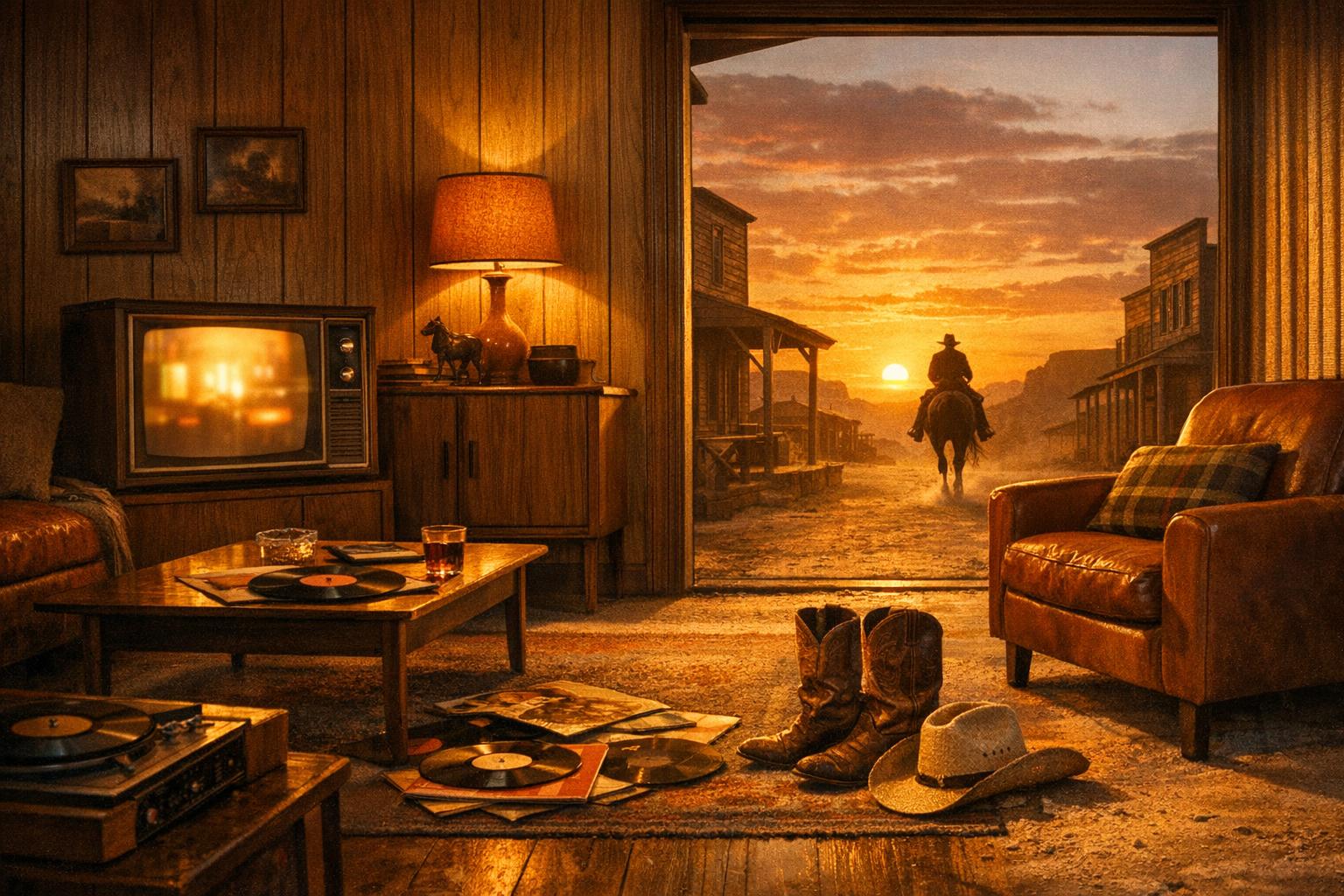
There is something irresistible about a great Western television series. The theme tune strikes up, a rider appears against a wide-open sky, and for a moment you are back in a world of dusty streets, swinging saloon doors and heroes who could settle trouble with a steady look before they ever reached for a holster. For many of us, the best Western TV series from the 1960s and 1970s are more than old programmes. They are part of a whole retro lifestyle picture, sitting comfortably alongside vinyl records, teak furniture, cowboy boots, and the warm glow of a family television set in the corner of the room.
And perhaps that is why they still feel so special today. These shows were not just about the frontier. They carried the style, sound and spirit of their era with them, from bold theme music to striking costume design. Watching them now is like opening a time capsule where television, fashion, music and everyday life all ride together.
The Westerns that still ride tall
If you ask fans to name the finest Western television series of the 1960s and 1970s, a few titles always come galloping to the front. Bonanza is one of the giants, of course. Set around the Cartwright family and their Ponderosa ranch, it mixed action with warmth and family drama. It also became part of weekend routine in homes around the world, the kind of show people watched together, often with supper trays balanced on their knees.
Then there was Gunsmoke, which had already begun in the 1950s but remained a towering presence through the 1960s and into the 1970s. James Arness gave Marshal Matt Dillon a quiet authority that made him unforgettable. Gunsmoke had grit, but it also had heart, and that balance helped it last for two decades.
The Virginian brought a more cinematic feel, with sweeping colour photography and longer episodes that gave stories room to breathe. The High Chaparral offered a richer, more layered view of frontier life in the American Southwest, while Alias Smith and Jones added wit and charm, almost like a buddy film on horseback. And for those who liked their Westerns with a side of mischief, Maverick remained a favourite in reruns, proving that not every cowboy hero had to be stern and square-jawed.
By the 1970s, the genre had started to shift. Audiences were changing, television was changing, and Westerns became a little more reflective, sometimes more playful, sometimes more rugged. But even as trends moved on, these series kept their place in popular memory.
More than horses and hats
Part of the appeal of these shows lies in what they tell us about the decades that made them. The 1960s and 1970s were years of huge cultural change, yet Westerns remained a comforting fixture on television schedules. They offered moral clarity, adventure and a sense of ritual at a time when the world often felt fast-moving and uncertain.
Off screen, those same decades were bursting with style. In the 1960s, homes filled with sleek furniture, geometric prints and optimistic design. By the 1970s, earthy colours, fringed suede, denim, handcrafted décor and a more relaxed bohemian look had taken hold. That frontier influence filtered into mainstream fashion too. Western shirts, embroidered yokes, leather belts, cowboy boots and shearling jackets all found their way from ranch imagery into everyday wardrobes.
Music played its part as well. The era that gave us these television Westerns also gave us rich country-pop crossovers, outlaw country, folk-rock and big cinematic themes. It is impossible to think about vintage Western television without hearing those bold orchestral title tunes and galloping rhythms. For a Classic Gold audience, that connection is part of the magic. The same decades that brought us Glen Campbell, Johnny Cash, Linda Ronstadt, Kenny Rogers and The Eagles also kept the Western spirit alive on the small screen.
A great TV Western never arrived quietly. It came with a memorable theme, a strong silhouette, and the promise that trouble was just around the corner.
Why retro Western style still feels fresh
So why do people still love these retro aesthetics today? One reason is craftsmanship. Whether it is a hand-tooled saddle in a television close-up or a wood-panelled living room from the era in which the show first aired, there is a texture to the past that modern life sometimes misses. Things look built, worn-in and lived-in.
There is also a longing for slower storytelling. Many classic Western series took their time. Characters developed over seasons. Landscapes mattered. A pause at the hitching post could tell you as much as a page of dialogue. In an age of constant scrolling, that kind of pacing feels almost luxurious.
And then there is the romance of the imagery. Wide skies, campfires, silver stars pinned to a sheriff’s vest, dusty piano music drifting from a saloon: it is cinematic, comforting and just dramatic enough. Even viewers who have never ridden a horse can connect with the feeling.
For some, the attraction is personal. Perhaps it is remembering a parent who never missed Bonanza, or a grandparent who hummed the Rawhide theme while fixing something in the garage. These programmes often carry family memories with them. They are not just watched; they are inherited.
Behind the scenes charm and pop culture echoes
One of the joys of revisiting classic Westerns is discovering the stories behind them. Bonanza was one of the first television Westerns filmed and broadcast widely in colour, which helped its landscapes and costumes stand out in a remarkable way. That rich look made the Ponderosa feel almost like a place viewers could step into.
Meanwhile, many future stars passed through Western series before becoming household names elsewhere. These shows were training grounds for actors, writers and directors. They also shaped television language itself, teaching producers how to build long-running ensemble casts and balance action with character drama.
Their influence still turns up everywhere. You can see it in modern neo-Westerns, in fashion editorials full of fringe and denim, and even in music videos that borrow frontier iconography. The Western never really left; it simply changed its clothes now and then.
I know more than one person who says their love of vintage style began not with a fashion magazine, but with an afternoon rerun of The High Chaparral or Gunsmoke. One friend still talks about being fascinated by the sheriff’s office interiors, the lanterns, the maps, the sturdy desks and the sense that every object had a purpose. Another swears his first pair of cowboy boots was inspired by watching TV Westerns with his older brother, then listening to country records straight after.
How to bring a little Western nostalgia into modern life
You do not need a ranch, a horse or a six-shooter to enjoy the best of this retro world. A few thoughtful touches can bring that spirit into everyday life.
- Start with a watch list: Try Bonanza, Gunsmoke, The Virginian, The High Chaparral and Alias Smith and Jones. Mix a family saga with a grittier series and one lighter, more playful show.
- Pair your viewing with music: Build a playlist featuring Johnny Cash, Marty Robbins, Glen Campbell, Willie Nelson, Linda Ronstadt and The Eagles. The right songs can turn an evening of television into a full mood.
- Add subtle Western décor: Think woven throws, aged leather, framed vintage posters, warm wood tones and a table lamp with a soft amber glow. Aim for character rather than theme-park excess.
- Try the fashion gently: A denim shirt, suede jacket, leather belt or cowboy boots can nod to the style without looking like costume.
- Make it social: Invite friends or family for a retro viewing night. Serve simple comfort food, dim the lights and let the opening credits do the rest.
If you enjoy collecting, vintage TV guides, soundtrack albums and promotional stills from classic Westerns can be wonderful conversation pieces. Even an old transistor radio on a shelf can complete the atmosphere, especially for music lovers who like their nostalgia with a little crackle and warmth.
Still in the saddle
The best Western TV series from the 1960s and 1970s endure because they offer more than nostalgia alone. They give us strong characters, memorable music, timeless visual style and a direct line back to a period when entertainment felt communal. Families gathered, theme tunes were recognised from the first note, and television heroes became part of everyday conversation.
For the Classic Gold crowd, that is a powerful blend. These shows belong to the same cherished world as treasured records, beloved radio favourites and the pleasure of revisiting stories that still know how to hold a room. Put on a classic tune, settle into a comfortable chair, and let one of these old Westerns roll. Chances are, you will stay for just one episode and somehow end up watching three.
That is the thing about the frontier on television. Even decades later, it still knows exactly how to draw us in.