What a Fool Believes and the Silken Sound of 1979
With its shimmering keyboards, bittersweet lyric, and Michael McDonald’s unforgettable vocal, What a Fool Believes became more than a hit for The Doobie Brothers. It captured the polished, soulful spirit of 1979 and still stands as one of the era’s most admired pop records.
A song that seemed to float in on a California breeze
By the time The Doobie Brothers released What a Fool Believes in early 1979, popular music was in the middle of a fascinating changeover. Disco still lit up dance floors, soft rock ruled FM radio, and a new polish was coming into pop production. Into that landscape came a record that felt sophisticated, smooth, and just a little mysterious. It had an elegant groove, a wistful story, and one of the most memorable keyboard introductions of its era. More than just a hit single, What a Fool Believes became a defining statement of late-1970s West Coast pop.
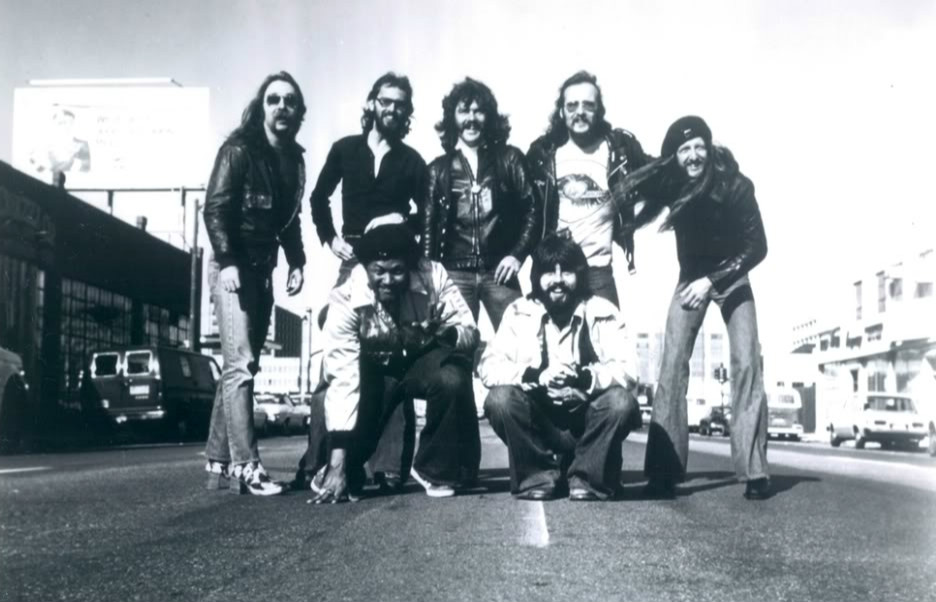
It also marked a high point for a retooled Doobie Brothers lineup. The band had begun as a rougher, guitar-driven outfit with biker-bar energy and rhythm-and-blues muscle. But by the late 1970s, with Michael McDonald firmly in the fold, their sound had evolved into something silkier and more harmonically rich. What a Fool Believes captured that transformation perfectly.
How the song was written
Michael McDonald and Kenny Loggins find the story
The song was written by Michael McDonald and Kenny Loggins, two artists with a gift for melody and emotional nuance. The origin of the lyric has become one of those great pop-song stories that only deepens the song’s appeal. The central idea revolves around a man who reunites with a woman from his past and imagines a romantic history that, in truth, may never have meant to her what it meant to him. It is a song about memory, self-deception, and the stories people tell themselves to keep old dreams alive.
Loggins has spoken about the concept as one rooted in a familiar kind of heartbreak: the person who believes a lost connection can be rekindled simply because it still burns in his own mind. That emotional ambiguity is what gives the song its unusual power. It is not a straightforward love song, nor exactly a breakup song. Instead, it lives in that hazy space between longing and illusion.
“What a fool believes he sees, no wise man has the power to reason away.”
That line is the key to the whole record. It suggests that once someone has built a fantasy around the past, logic is useless. You cannot talk a person out of a feeling they have carefully nurtured for years.
A lyric with cinematic detail
One reason the song has endured is its remarkably economical storytelling. In just a few lines, McDonald and Loggins sketch an entire emotional drama. The woman appears almost like a figure in soft focus, while the man is trapped in a private movie of his own making. The lyric does not judge him harshly; it simply observes him with a kind of sad compassion. That emotional maturity helped set the song apart from more conventional pop writing of the day.
Recording the song and shaping the sound
Ted Templeman and the polished Doobies era
The recording of What a Fool Believes took place for the Doobie Brothers album Minute by Minute, released in 1978. The band worked with their longtime producer Ted Templeman, one of the key architects of the California rock sound. Templeman understood how to preserve warmth and groove while giving records a radio-ready sheen. On this track, his touch is all over the final result: crisp but not cold, detailed but never fussy.
The arrangement is a marvel of restraint. Rather than building around a heavy guitar riff, the song leans on keyboards, layered vocals, and rhythm. That gave it an airy sophistication that matched both McDonald’s voice and the song’s emotional complexity.
The musicians who made it sing
Michael McDonald was the song’s emotional center, delivering a lead vocal full of ache and understatement while also helping shape the keyboard textures that define the track. Patrick Simmons and other Doobie Brothers members contributed to the band’s seamless vocal blend and rhythmic finesse, while the rhythm section gave the record its graceful forward motion.
One of the most important contributors was session drummer Jeff Porcaro, whose feel on the track is often singled out by musicians and fans alike. Porcaro, later a founding member of Toto, brought a subtle, supple groove that helped make the song move with effortless confidence. It is not a flashy drum performance, but it is an essential one. Every beat seems to breathe.
The keyboard introduction deserves its own salute. Those opening chords arrive like sunlight on chrome, instantly placing the listener in that late-1970s Los Angeles studio world where jazz harmony, pop craftsmanship, and rock radio all met. The vocal arrangement, too, is a masterclass in smooth complexity, with McDonald’s distinctive blue-eyed soul phrasing gliding over harmonies that feel both sophisticated and deeply human.
An unusual path from demo to classic
Kenny Loggins actually recorded his own version of the song around the same period, but it was the Doobie Brothers’ take that truly caught fire. That in itself says something about the chemistry of the band at the time. McDonald’s voice, with its grainy tenderness and gospel-inflected depth, gave the song a world-weary credibility. In his hands, the narrator did not sound merely foolish. He sounded heartbreakingly believable.
Chart success and commercial reception
A number one hit at exactly the right moment
What a Fool Believes became the Doobie Brothers’ biggest hit, reaching number one on the Billboard Hot 100 in April 1979. It also performed strongly on adult contemporary and other radio formats, making it one of those rare records that crossed audience lines with ease. Rock fans embraced it, pop listeners loved it, and FM programmers could not get enough of its polished melancholy.
The song helped propel Minute by Minute into major commercial success as well. The album became a landmark release for the band, confirming that their more sophisticated late-1970s sound was not just an artistic detour but a full-fledged commercial peak.
Critics heard something special
The record was not merely a hit with the public. It also earned substantial industry recognition. At the Grammy Awards, What a Fool Believes won Song of the Year and Record of the Year, an impressive double that underscored both the strength of the writing and the excellence of the recording. Those are not casual honors. They signaled that the song had risen above the weekly churn of radio singles and entered the realm of major pop craftsmanship.
Cultural impact and lasting legacy
A cornerstone of yacht rock and sophisticated pop
In later decades, What a Fool Believes became one of the signature songs associated with what many listeners now call yacht rock—that sleek, soulful, harmony-rich strain of late-1970s and early-1980s soft rock. If the term can sometimes be used jokingly, the best songs in that style are no joke at all, and this one may be the genre’s crown jewel. It combines immaculate musicianship with genuine emotional depth.
For younger listeners discovering the era, the song often serves as a gateway into a broader musical world that includes artists like Steely Dan, Boz Scaggs, Toto, and Loggins himself. It represents a moment when pop could be smooth without being shallow, and technically accomplished without losing feeling.
A song musicians admire
Among songwriters and players, the record has long inspired admiration. Its chord changes are richer than the average pop hit, its groove is deceptively intricate, and its lyric avoids obvious sentimentality. It is the kind of song that sounds effortless on the radio but reveals more and more craft the closer you listen.
That is one reason it has remained a favorite on classic hits radio. It still sounds luxurious, but it also sounds alive. The arrangement never feels trapped in amber. Instead, it glides along with a timeless elegance.
Behind-the-scenes facts and stories
The changing identity of The Doobie Brothers
One of the most interesting aspects of What a Fool Believes is how completely it reflects the Doobie Brothers’ evolution. Earlier hits like China Grove and Listen to the Music came from a more guitar-centered, rootsy band identity. By contrast, this song placed keyboards, harmony, and smooth rhythmic precision front and center. Not every longtime fan expected or even wanted that shift, but the success of the single proved the band could reinvent itself without losing its musical integrity.
A song with a famously tricky vocal
Michael McDonald’s vocal performance is so distinctive that many singers have discovered, often the hard way, just how difficult it is to replicate. The melody sits in a demanding place, requiring both range and control, while the phrasing has to sound conversational rather than showy. That combination of technical challenge and emotional subtlety is part of what makes the original performance so special.
The groove that musicians still talk about
Ask drummers and studio aficionados about the track, and Jeff Porcaro’s contribution will almost certainly come up. The feel is smooth, yes, but also incredibly precise. It is a reminder that the best soft rock records were often built by players with razor-sharp instincts and impeccable timing. Underneath the song’s satin surface is a machine of remarkable musical discipline.
How it fits the wider sound of 1979
Where rock, soul, jazz, and pop met
In many ways, What a Fool Believes is a perfect snapshot of its era. The late 1970s saw increasing crossover between genres. Artists borrowed from jazz harmony, R&B groove, singer-songwriter introspection, and studio pop refinement. This song sits right at that crossroads. It is too harmonically rich to be disposable pop, too smooth to be hard rock, too soulful to be merely cerebral. That blend was the sound of a changing radio landscape.
It also arrived at a moment when listeners were open to records that felt adult without sounding dull. There was room on the charts for sophistication. What a Fool Believes took full advantage of that opening and, in doing so, became one of the definitive records of the period.
Why the song still matters
More than four decades on, What a Fool Believes remains a marvel. It is a hit single with the emotional shading of a short story. It is a polished studio production with the ache of something deeply personal. And it is a reminder that popular music, at its best, can be elegant, catchy, and quietly devastating all at once.
That is why the song still turns heads whenever it comes on. The keyboards shimmer, the groove settles in, and Michael McDonald delivers that opening line with a mixture of hope and resignation that still sounds fresh. For three and a half minutes, 1979 returns—not as nostalgia alone, but as a living, breathing piece of musical craft.
- Writers: Michael McDonald and Kenny Loggins
- Producer: Ted Templeman
- Featured era: The Minute by Minute period of The Doobie Brothers
- Major achievement: Billboard Hot 100 number one and Grammy wins for Record of the Year and Song of the Year
- Enduring reputation: One of the defining songs of late-1970s sophisticated pop