Why Eddie Money Still Connects
Eddie Money brought grit, melody and everyman charm to some of classic hits radio's most enduring songs. From “Two Tickets to Paradise” to “Take Me Home Tonight,” his music still feels like an open road and a chorus worth sharing.
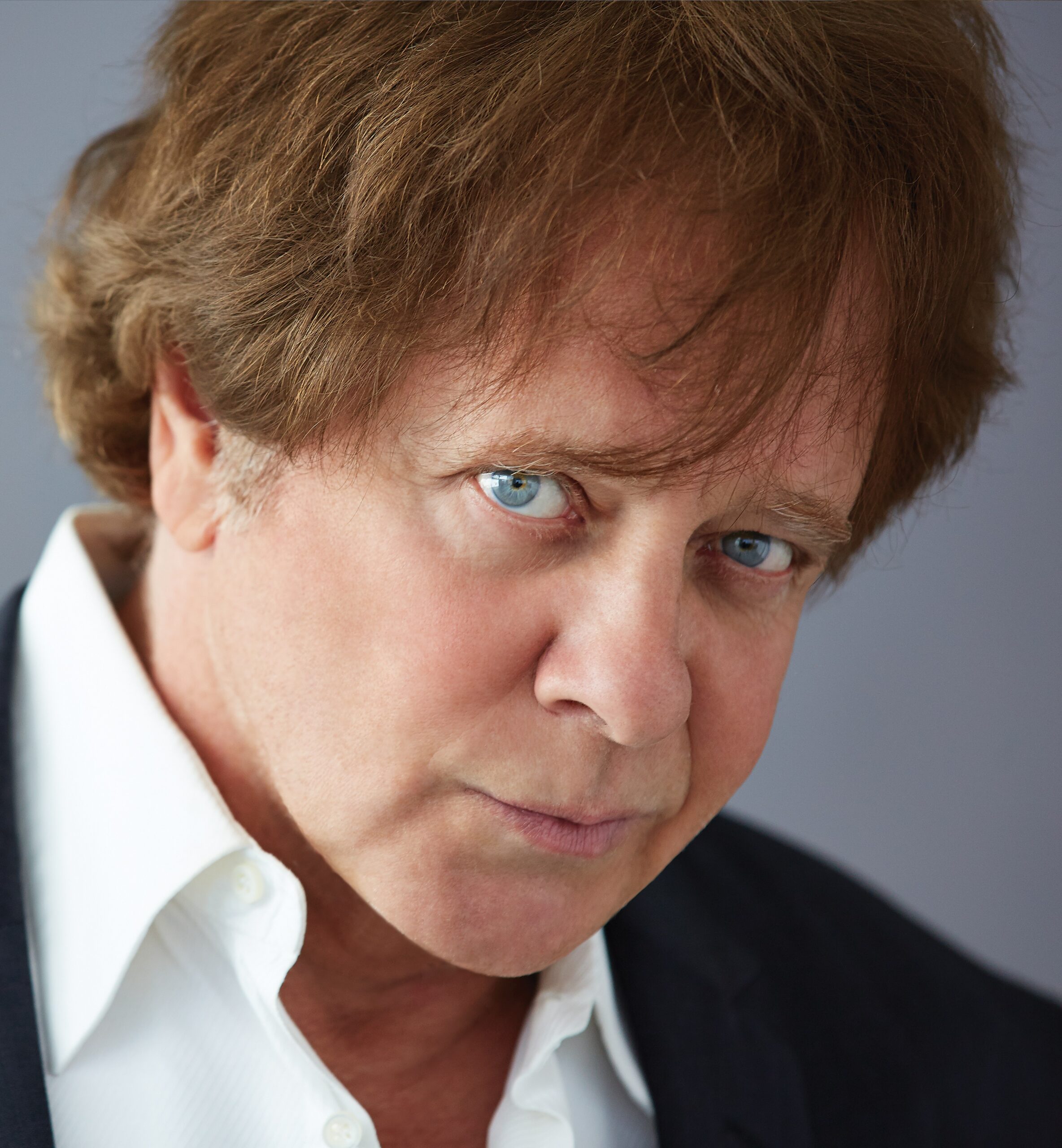
There are some artists who feel instantly familiar the moment their voice comes through the speakers. Eddie Money was one of them. With that raspy, wide-open delivery and a gift for songs that sounded like late-night drives, first dates, second chances and working-class dreams, he carved out a place in classic hits history that still feels wonderfully alive. He was never trying to be mysterious or untouchable. Eddie Money sang like a regular guy who had seen a little trouble, found a little hope and decided to turn both into a chorus you could sing at the top of your lungs.
For classic hits listeners, that matters. His records do not just bring back a time; they bring back a feeling. They are energetic, melodic and full of heart, with enough grit to keep them from sounding polished into blandness. Behind the radio staples was a fascinating story too, one that began far away from the music business.
From a police family to the stage
Eddie Money was born Edward Joseph Mahoney in Brooklyn, New York, on March 21, 1949, into a family with deep ties to law enforcement. His father, grandfather and brother were all police officers, and for a while it looked as though Eddie would follow the same path. He even trained as a New York City police officer in his late teens.
It is one of those great rock stories because it feels so unlikely. Here was a young man headed toward a stable, structured career, yet music kept pulling at him. He grew up listening to rock and rhythm and blues, and like so many future stars of the era, he was electrified by the British Invasion. The Beatles, in particular, opened the door in his imagination. Suddenly, another life seemed possible.
Money later said that being a police officer was simply not for him. One often-repeated story is that he realised the job and his growing appearance as a musician were not exactly a neat fit. Long hair and a rebellious streak were not ideal for the academy. He left that path behind, changed his surname from Mahoney to Money, and committed himself to music.
That decision took courage. He moved to California, where the club scene offered opportunity but no guarantees. Like countless hopeful musicians, he paid his dues the hard way, playing bars and small venues, building a following and sharpening the stage presence that would become one of his greatest strengths. He was not a distant art-rock figure. He was a born performer, direct and personable, someone who knew how to grab a room and hold it.
The breakthrough that changed everything
Eddie Money’s big break came in the 1970s when legendary promoter and manager Bill Graham took notice. Graham had a sharp eye for talent, and he saw something special in Money: a blue-collar charisma, a powerful voice and songs that could connect quickly with an audience. That support helped Money land a recording contract with Columbia Records.
His self-titled debut album, Eddie Money, arrived in 1977 and made an immediate impact. It introduced listeners to a singer who could move easily between punchy rockers and emotional mid-tempo songs. Most importantly, it delivered hits. “Baby Hold On” became his first major single, and it remains one of those records that seems to brighten a room as soon as it starts. Then came “Two Tickets to Paradise”, the song that would become one of his signatures.
“Two Tickets to Paradise” was pure radio magic: a hopeful escape anthem with a soaring hook and just enough wistfulness underneath its excitement. It sounded like freedom. That was part of Eddie Money’s gift. Even when his songs were simple on the surface, they often carried a deeper emotional tug. He knew how to make longing feel exciting rather than heavy.
The success of his debut was no fluke. Through the late 1970s and into the 1980s, Money kept building a strong catalogue and a loyal audience. Albums such as Life for the Taking, Playing for Keeps and No Control showed his consistency, while his live performances strengthened his reputation as a crowd-pleaser.
The songs that made him a classic hits staple
If you want to understand why Eddie Money remains such a natural fit for classic hits radio, start with the songs. He had a knack for recording tracks that were instantly accessible without ever feeling disposable. They were catchy, yes, but they also had personality.
- “Baby Hold On” – A bright, urgent debut hit that announced his arrival with confidence and warmth.
- “Two Tickets to Paradise” – His defining early anthem, full of youthful optimism and one of the most memorable choruses of the era.
- “Maybe I’m a Fool” – A strong example of his emotional side, balancing vulnerability with radio-friendly polish.
- “Think I’m in Love” – A sleek early-1980s hit with a punchy groove and a lighter pop-rock touch.
- “Shakin’” – Playful, energetic and packed with attitude, this one became a fan favourite and a perfect summer radio record.
- “Take Me Home Tonight” – His huge comeback hit from 1986, an irresistible singalong that introduced him to a new generation.
- “I Wanna Go Back” – One of his most nostalgic and emotionally resonant recordings, reflecting on youth with real tenderness.
- “Walk on Water” – A late-1980s hit that proved he still had plenty of chart power and vocal fire.
Among these, “Take Me Home Tonight” deserves special attention. By the mid-1980s, Money’s career had gone through challenges, including personal struggles and changing musical trends. Then came this comeback single from the 1986 album Can’t Hold Back. Built around a nod to the Ronettes classic “Be My Baby”, it was both nostalgic and modern for its time.
The masterstroke was bringing in Ronnie Spector herself to sing the line
That moment gave the record a spark of pop history and made it feel like a conversation between generations of rock and pop. The song became one of the biggest hits of his career and earned him a Grammy nomination. It was a comeback, certainly, but it was also a reminder of how naturally he fit the radio format: familiar, emotional and impossible not to sing along with.“Be my little baby.”
A voice full of grit and heart
Eddie Money’s musical style sat comfortably between heartland rock, power pop and radio-friendly album rock. He was not as hard-edged as some arena rock acts, and he was not as soft as the smoother adult contemporary singers of the day. Instead, he occupied a sweet spot that gave him broad appeal.
His voice was central to that appeal. It had texture. There was a rough edge in it, but also warmth and vulnerability. He could sound exuberant on an uptempo hit, then turn around and make a reflective lyric feel deeply personal. That combination helped his records stand up over time. They were crafted for mass audiences, but they never felt anonymous.
Musically, his songs often leaned on strong guitar lines, sturdy rhythms and big choruses built for car radios and concert halls alike. Yet there was also a pop instinct in his work that kept things concise and memorable. He understood hooks. He also understood pacing. Many of his best songs build toward a chorus in a way that feels natural and satisfying, which is one reason they continue to sound so good on the radio.
His influence can be heard in later artists who blend rock energy with approachable storytelling and melodic punch. While he may not always be the first name mentioned in discussions of rock history, musicians and fans alike recognise how effectively he bridged toughness and tenderness. That is not easy to do, and Eddie Money made it seem effortless.
Behind the scenes: humour, resilience and real life
One of the reasons audiences stayed with Eddie Money for so long was that he came across as genuine. He had a sense of humour about himself and never seemed interested in pretending to be something he was not. In interviews, he could be funny, self-aware and refreshingly direct. He told stories like someone sitting across from you at a diner counter, not someone reading from a carefully polished script.
There were difficult chapters in his life, including battles with addiction, and he spoke openly about them in later years. That honesty only deepened the bond many fans felt with him. He was not selling perfection. He was living a life, making mistakes, surviving them and continuing to perform.
Another lesser-known detail about Money is just how strong a live act he remained across decades. Even as musical fashions changed, he kept drawing crowds because his songs were built to be shared. Audiences did not attend his concerts to stand quietly and admire from a distance. They came to sing, laugh, remember and celebrate.
In his later years, he also reached television audiences through the reality series Real Money, which offered a glimpse into his family life. It showed another side of him: a father, husband and entertainer whose career was deeply woven into everyday life. That visibility reminded many people that the artists behind the classic hits were human beings with stories still unfolding.
Why his legacy endures
Eddie Money passed away in 2019, but his music remains a regular and welcome part of classic hits radio. The reason is simple: the songs still work. They still lift the mood. They still trigger memories. They still have that wonderful quality shared by the best radio records, where within a few seconds you are completely inside their world.
His legacy is not built on mystery or reinvention. It is built on connection. He made records for ordinary people living ordinary lives, and he made those lives feel cinematic for three or four minutes at a time. A drive out of town became “Two Tickets to Paradise.” A complicated romance became “Baby Hold On.” A look back at younger days became “I Wanna Go Back.”
That is a rare skill. It is also why he matters so much to classic hits listeners today. His songs are not museum pieces. They are companions. They show up at barbecues, on road trips, during reunion weekends and on quiet evenings when one familiar chorus can unlock a flood of memories.
And perhaps that is the best way to think about Eddie Money. Not just as a hitmaker, though he certainly was that. Not just as a survivor, though he earned that description too. But as one of those artists who knew exactly how to meet listeners where they were. He brought the hooks, the heart, the grit and the grin. Decades later, the radio still sounds better when Eddie Money is on it.