Blame It on the Rhythm?
Their story is one of pop’s most dramatic twists, but the hits still shine. Milli Vanilli remain a fascinating late-1980s phenomenon: stylish, controversial, and impossible to separate from the radio memories they helped create.
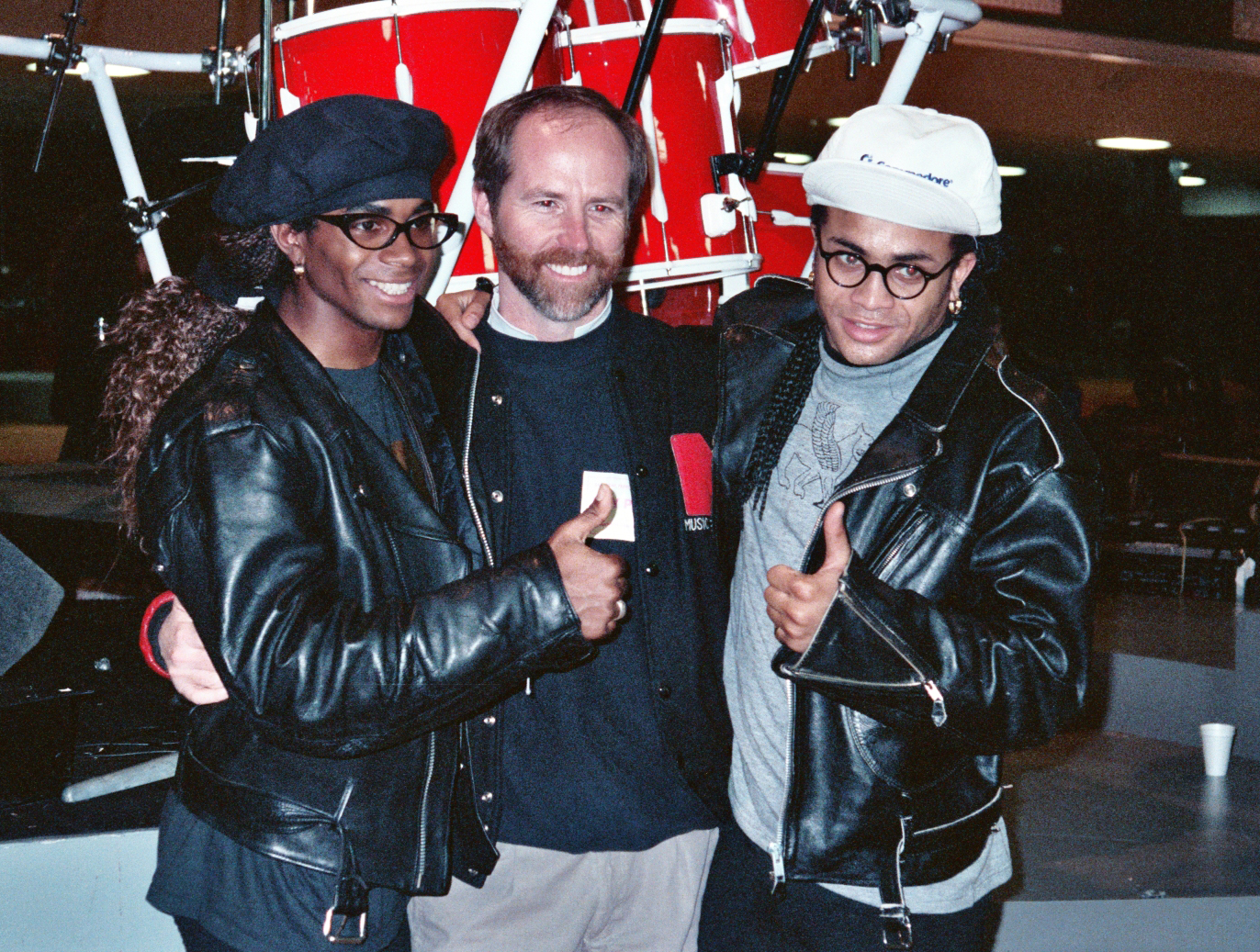
Few pop stories from the late 1980s are as irresistible, complicated, and instantly recognisable as Milli Vanilli. For a brief, dazzling moment, Fab Morvan and Rob Pilatus seemed to be everywhere: on television, on magazine covers, on radio, and at the centre of a global pop storm powered by huge hooks, sleek dance production, and a striking visual image. Their rise was meteoric, their fall was public, and yet the music itself has never entirely left the room. For classic hits listeners, Milli Vanilli remain more than a headline. They are part of that bright, high-energy era when pop, dance, and R&B met on the airwaves and made people turn the volume up.
Two young men chasing a bigger stage
Behind the famous name were two charismatic performers with very different beginnings. Fab Morvan was born in Paris and spent part of his youth in Guadeloupe before returning to France. Rob Pilatus was born in Munich, Germany, and had a more turbulent early life, growing up in foster care and later channeling his energy into music, dance, and fashion. Both were drawn to performance long before the world knew their names. They were not simply faces chosen at random; each had been trying to build a life in entertainment, modelling, and music, and each understood the power of image in the MTV age.
When Morvan and Pilatus met in the European club and fashion scene, they clicked quickly. They shared ambition, style, and a hunger to break through. In the mid-to-late 1980s, that mattered enormously. Pop was becoming more visual by the month. A memorable look could open doors, but staying in the public eye required confidence, movement, and star presence. Rob and Fab had plenty of all three.
Their path changed dramatically when they connected with German producer Frank Farian, already known for assembling hit-making studio projects. Farian had a sharp ear for commercial pop and a history of building acts that blended strong production with carefully managed presentation. With Milli Vanilli, he saw something powerful: a pair of photogenic, energetic frontmen who could embody the songs and carry them into the global market.
The breakthrough that felt impossible to miss
Once Milli Vanilli arrived, they did not creep into public consciousness. They exploded. Their debut album, released internationally as Girl You Know It’s True, became one of those records that seemed to produce hit after hit. The title track was impossible to ignore, with its bouncing beat, crisp rhythm track, and unforgettable chorus. Then came Baby Don’t Forget My Number, Blame It on the Rain, and Girl I’m Gonna Miss You—songs that gave the act a remarkable run across pop radio.
What made that breakthrough so effective was the balance of ingredients. The production was polished and radio-friendly, drawing from dance-pop, contemporary R&B, and the sleek studio sheen of the era. The hooks were immediate. The visuals were bold. Morvan and Pilatus looked like stars and moved like stars. In the age of music television, that combination was gold.
For listeners at the time, Milli Vanilli records had a special kind of momentum. They sounded modern, clean, and emotional without becoming heavy. You could dance to them, sing along with them, or hear them as part of the everyday rush of late-1980s life—cars, shopping centres, weekend countdown shows, and the thrill of hearing a favourite song again just when you hoped it might come on.
The commercial success was enormous. The album sold in huge numbers, and the duo won major awards, including a Grammy for Best New Artist. For a while, they looked unstoppable.
The songs that still leap out of the speakers
Even now, the biggest Milli Vanilli hits have a way of snapping a room to attention. Their catalogue may be forever linked to controversy, but it is also full of records that know exactly how to deliver a chorus.
- Girl You Know It’s True – The signature hit for many listeners. It has that irresistible stop-you-in-your-tracks quality, with a beat that feels both tightly programmed and joyfully alive.
- Blame It on the Rain – A beautifully crafted pop single, smoother and more wistful than some of their dance-floor material. It remains one of the most beloved songs associated with the act.
- Baby Don’t Forget My Number – Bright, punchy, and built for radio. This one captures the playful side of late-1980s chart pop.
- Girl I’m Gonna Miss You – The ballad in the set, and proof that the project could shift from club-ready energy to softer, sentimental territory.
- All or Nothing – Another strong example of the polished, emotional pop sound that helped define their chart run.
Part of the reason these songs endure is simple: they are expertly constructed pop records. Long after the headlines faded, the melodies remained. Classic hits radio has always understood this. Listeners respond not only to biography, but to feeling—and these songs still deliver instant recognition, nostalgia, and a rush of memory.
A polished pop machine with dance-floor sparkle
Musically, Milli Vanilli sat at a very specific and very successful crossroads. Their records drew from dance-pop, Euro-pop, new jack swing-era energy, and mainstream R&B styling. The drums were crisp, the bass lines were strong, and the choruses were designed to hit fast. This was music made for radio, clubs, and music television all at once.
That sound mattered because it reflected a wider shift in late-1980s pop. Audiences wanted records that could move between formats. A song needed to sound good in headphones, in a car, on a dance floor, and through a television speaker. Milli Vanilli’s biggest hits were built for exactly that world.
There was also a theatrical quality to the act. Rob and Fab did not present themselves as quiet studio craftsmen. They were visual performers—stylised, athletic, camera-ready. In that sense, they belong to a lineage of pop where movement, fashion, and image are central parts of the experience. You can see traces of that formula throughout later pop history, where presentation and personality became inseparable from the music.
Milli Vanilli’s songs were made to be felt immediately: one beat, one hook, one unforgettable image, and you were in.
The scandal that changed everything
Of course, no profile of Milli Vanilli can avoid the story that turned them into one of pop’s most talked-about cautionary tales. It emerged publicly that Morvan and Pilatus had not sung the vocals on their hit recordings. The revelation led to intense media scrutiny, public backlash, and the unprecedented return of their Grammy award.
It was a shocking moment, but it also exposed something larger about the music industry. Milli Vanilli became the most famous example of a tension that had long existed in pop: the gap between the image sold to the audience and the complicated reality of how records are made. Studio musicians, background vocalists, producers, image consultants, and label strategy had always played major roles behind the scenes. Milli Vanilli did not invent that machinery, but their case forced the public to look at it more closely than ever before.
One of the most memorable moments in the saga came during a live performance when the backing track skipped and repeated the line “Girl, you know it’s…” over and over. It was the kind of onstage mishap that instantly becomes legend. For Rob and Fab, it was disastrous. For pop history, it became one of those scenes people still talk about decades later.
What is often forgotten in quick retellings is that Morvan and Pilatus were themselves caught in a system much bigger than they were. They were ambitious young performers who stepped into a manufactured project and then found themselves unable to control the story once it began to unravel. That does not erase the deception, but it does add a human dimension to a tale too often reduced to punchlines.
The human story behind the headlines
As the years passed, the Milli Vanilli story took on a more reflective tone. Fab Morvan continued working in music and has spoken openly about the experience, often with a mixture of honesty, regret, and hard-earned perspective. Rob Pilatus, tragically, struggled deeply after the scandal and died in 1998. His story remains one of the saddest chapters in pop history, a reminder that sudden fame and public humiliation can leave lasting scars.
That human cost is one reason the Milli Vanilli story still resonates. It is not only about chart hits or industry scandal. It is about pressure, image, youth, and what happens when a glossy pop fantasy collides with reality. For listeners revisiting the era today, there is room to hold two thoughts at once: the project was built on a serious deception, and the people at the centre of it were real, vulnerable, and far more complicated than the caricatures that followed.
There are also plenty of lesser-known details that make the story more vivid. Before their global fame, both Morvan and Pilatus worked in modelling and dancing. Their distinctive braided and long-haired image was not a minor detail—it was a major part of the brand. And while the scandal eclipsed everything, it is worth remembering just how completely they captured the visual language of their moment. In photographs and videos, they look like a perfect freeze-frame of late-1980s pop culture.
Why classic hits listeners still care
For classic hits radio, Milli Vanilli matter because radio has always been about the moment a song connects. Whatever happened behind the scenes, these records connected in a massive way. They were part of school runs, summer drives, weekend countdowns, and living-room dance sessions. A listener hearing Blame It on the Rain today may first remember the melody, not the scandal. Another may remember both at once. Either way, the reaction is immediate.
There is also something undeniably fascinating about artists whose legacy includes both triumph and controversy. They spark conversation. They remind us that pop history is rarely tidy. And on radio, that can be part of the appeal. A great classic hit does not need to come from a simple story; sometimes the songs that last are tied to the messiest, most revealing chapters in music history.
Most of all, Milli Vanilli represent a very particular flash of pop excitement. Their records captured the bright, synthetic glamour of the late 1980s with absolute precision. The beats still bounce, the choruses still land, and the memories they trigger are real. That is why they continue to have a place on classic hits radio: not because the story is easy, but because the music remains woven into the listening lives of millions.
A legacy that is still being debated
Milli Vanilli’s legacy is unusual because it lives in two lanes at once. In one lane, they are a cautionary tale about authenticity, image, and the machinery of pop. In the other, they are attached to some of the most infectious and memorable records of their era. Both are true, and that is exactly why they remain so compelling.
For listeners today, perhaps the most useful way to hear Milli Vanilli is with clear eyes and open ears. The scandal belongs to the story, but so do the songs, the excitement, and the emotional pull of a very specific pop moment. Fab Morvan and Rob Pilatus became symbols of an era that could be glamorous, manufactured, exhilarating, and unforgiving all at once.
And when one of those big singles comes on the radio, all of that history arrives in a few seconds: the beat, the memory, the image, the debate, the chorus. That is not a small legacy. That is pop history doing what it does best—making us feel something instantly, then giving us plenty to talk about after the song ends.