How Love Hangover Took Over
The studio lights dim, the groove waits in the shadows, and Diana Ross begins almost in a whisper. Then Love Hangover flips the switch, becoming one of the most seductive and exhilarating hits of 1976.
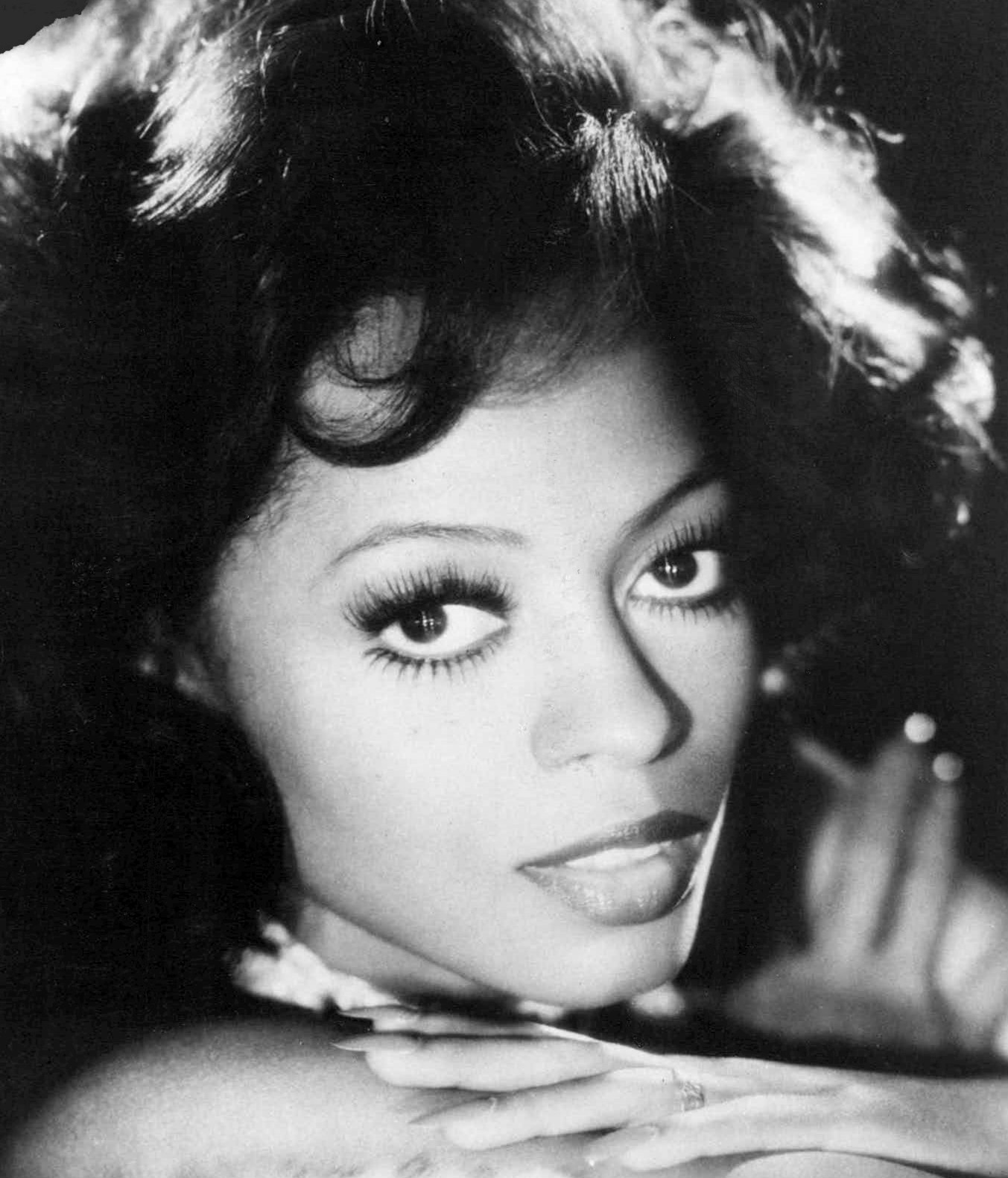
Needle down, lights low, and suddenly Diana Ross is whispering as if she is leaning right into your ear. Then, almost without warning, Love Hangover bursts open into a sleek, pulsing dance floor release. Few records capture that delicious mid-1970s moment of sensuality, sophistication, and disco momentum quite like this 1976 classic.
By the time Diana Ross recorded Love Hangover, she was already one of the defining voices in popular music. But this was not simply another hit added to a remarkable catalogue. It was a reinvention in real time: a record that let Ross glide from intimate torch singer to queen of the club in one unforgettable performance.
A song built in two moods
The writers behind the idea
Love Hangover was written by Pamela Sawyer and Marilyn McLeod, two gifted Motown songwriters with a sharp feel for melody and emotional drama. Their concept was a clever one: a song that begins like a dreamy, after-hours confession and then flips into a feverish groove. That change of pace is the record’s great trick, and it still feels thrilling.
Sawyer and McLeod were part of the wider Motown creative machine, but this song had a personality all its own. Rather than following a neat verse-chorus path from the first bar, it unfolds like a scene. First comes the haze of romantic intoxication, then the rush. In a decade when disco was moving from underground clubs into the mainstream, that structure felt modern, daring, and a little dangerous.
A perfect match for Diana Ross
Diana Ross had the ideal voice for that kind of dramatic journey. She could sound delicate, conversational, glamorous, and commanding, sometimes within the same line. Love Hangover gave her room to do all of that. The opening section is all soft-focus allure; the second half is pure motion, carried by rhythm, repetition, and Ross’s increasingly ecstatic delivery.
It was a song that depended on control. The transition had to feel natural rather than gimmicky, and Ross sold it beautifully. She does not merely sing the song; she acts it out, moving from dreamy intoxication to joyful abandon.
Inside the recording session
Produced with a dance floor instinct
The record was produced by Hal Davis, a key Motown figure who understood how to shape a performance for maximum impact. Davis had worked on major recordings before, and on Love Hangover he helped create a sound that was polished enough for pop radio but loose and physical enough for clubs.
The arrangement is essential to the record’s magic. The first section drifts in with lush atmosphere, then the rhythm section locks in and the track turns into a streamlined disco engine. Strings shimmer, bass pushes forward, percussion flickers around the beat, and the whole thing begins to glide with that irresistible mid-1970s momentum.
The famous studio atmosphere
One of the best-loved stories around the recording is that the studio environment was deliberately set to help Ross ease into the song’s sensual mood. Accounts over the years have described the lights being dimmed and the atmosphere softened so she could deliver the intimate opening with just the right feeling. Whether remembered in slightly different ways by different people, the anecdote has endured because it makes perfect sense when you hear the record. The performance feels private, almost cinematic.
Another memorable detail is the laughter and exclamations that help give the finished track its spontaneous energy. The record sounds alive, as though Ross is discovering its pleasures moment by moment. That quality is one reason it still jumps out of the radio speaker decades later.
The musicians and the groove
As with many Motown recordings of the era, the exact session personnel are not always celebrated as widely as the star and producers, but the musicians deserve enormous credit. Love Hangover depends on disciplined playing: a supple bass line, crisp drums, elegant keyboards, and orchestral touches that never weigh the track down. The groove has finesse. It is dance music, certainly, but it is also beautifully engineered pop.
That balance mattered in 1976. Disco was becoming commercially powerful, but there was still a difference between records made purely for clubs and those that could cross effortlessly to mainstream radio. Love Hangover managed both.
The chart race and a major hit
A dramatic commercial breakthrough
When Love Hangover was released in 1976, it quickly proved itself as more than an adventurous album cut. It became a major single, reaching number one on the Billboard Hot 100. It also topped the Billboard soul chart and performed strongly on dance-oriented play, confirming that Ross had a genuine crossover smash on her hands.
Its success was especially striking because the song arrived during a fiercely competitive period for pop and soul music. Radio was broadening, club culture was growing, and audiences were responding to records with stronger rhythmic identities. Love Hangover met that moment perfectly.
The rival version story
One of the most fascinating footnotes in the song’s history is that The 5th Dimension also recorded Love Hangover, and their version was released around the same time. For a brief moment, there was the possibility of a real chart contest between two recordings of the same song.
But Diana Ross’s version quickly took command. Her performance, the production’s seductive slow-burn opening, and the irresistible dance section gave it a dramatic edge that listeners clearly preferred. It is one of those moments in pop history when the public seems to decide almost instantly which version is definitive.
Why it mattered in 1976
Disco moving into the spotlight
Love Hangover arrived at a turning point. Disco was no longer just a club phenomenon whispered about by insiders; it was becoming central to popular music. Yet in 1976, the style was still flexible. It could be lush, soulful, glamorous, electronic, orchestral, or raw. Ross’s hit reflects that rich in-between stage before formulas hardened.
The record also shows how Motown adapted to changing tastes. The label had built its reputation on concise, hook-filled soul and pop, but by the mid-1970s it was responding to longer grooves, more sensual textures, and the growing importance of the dance floor. Love Hangover sounds like a bridge between classic Motown elegance and the emerging disco era.
Diana Ross as a modern pop star
For Ross personally, the song was a statement. She was not trapped by the sound that first made her famous. Instead, she could move with the times and still sound unmistakably like herself. That ability is one reason her career remained so durable. Love Hangover did not erase the past; it refreshed it, adding a sleek new chapter to her image.
Legacy on radio, in clubs, and beyond
A record that never lost its sparkle
Some hits are tied tightly to their year. Love Hangover is different. It remains one of Diana Ross’s signature recordings because it works on several levels at once:
- As a pop single, it is instantly memorable.
- As a dance record, it has movement and release.
- As a vocal performance, it is playful, sensual, and technically smart.
- As a period piece, it captures 1976 without feeling trapped there.
Its influence can be heard in later dance-pop and R&B records that use dramatic tempo or mood shifts, intimate spoken or whispered passages, and a sense of theatrical build. The idea that a song can begin in one emotional world and end in another is now common, but Love Hangover helped make that kind of transformation feel exciting and commercial.
Enduring cultural presence
The song has continued to appear in compilations, retrospectives, club playlists, and discussions of defining disco-era records. It is also one of those songs that radio listeners recognize within seconds. That opening mood is enough to pull people in; the beat change seals the deal.
Love Hangover is more than a hit single. It is a miniature drama, a dance floor release, and a reminder that Diana Ross could turn elegance into electricity.
Behind-the-scenes details fans still love
Little touches that make the record unforgettable
Part of the song’s staying power comes from its details. Listen closely and you can hear how carefully the tension is managed before the rhythm fully takes over. The opening does not rush. It lingers. That patience makes the explosion into the groove even more satisfying.
Fans also love the record because it feels both sophisticated and fun. It has polish, certainly, but it never sounds stiff. There is a human spark in Ross’s delivery that keeps the track from becoming merely stylish. You can almost picture the smile in the vocal.
A classic with a pulse
Nearly fifty years later, Love Hangover still sounds like a record in motion. It shimmers, teases, then takes off. In the story of 1970s popular music, it stands as one of the great examples of an artist, a label, and a song all meeting the moment perfectly.
And that is why the record still feels so good on the air. It is nostalgic, yes, but not dusty. It carries the glamour of its era while keeping a heartbeat that feels immediate. Put it on, and for a few minutes the room changes shape: softer lights, brighter mood, and a dance floor just waiting to fill.