Rick Springfield Still Has Jessie’s Girl and Our Attention
Rick Springfield’s story is bigger than one unforgettable No. 1 hit. From his Australian beginnings to his early-'80s pop-rock reign, he remains a classic hits favorite whose songs still crackle with energy, heart, and pure radio magic.
From Sydney Suburbs to Center Stage
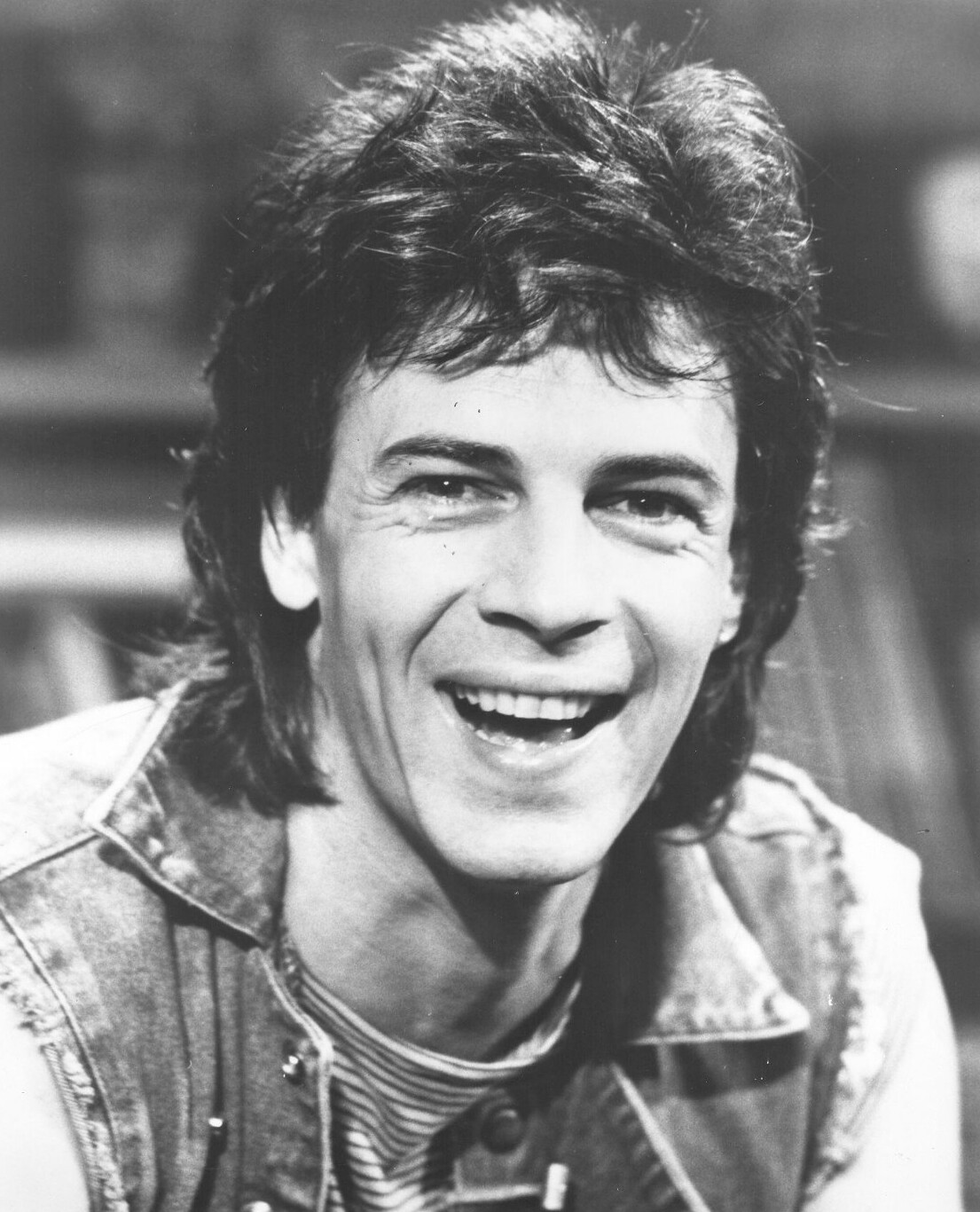
For a lot of classic hits listeners, Rick Springfield will always be the guy with the windswept hair, the leather jacket, and that irresistible chorus from Jessie’s Girl. But behind the MTV-era heartthrob image is a musician with a remarkably deep story — one that began far from the bright lights of American pop culture.
Born Richard Lewis Springthorpe on August 23, 1949, in Sydney, Australia, Rick Springfield spent part of his childhood on the move because of his father’s career in the Australian Army. That early life meant adapting to new places and experiences, and in a way, that flexibility would serve him well in the music business later on. Like so many future stars of his generation, Springfield came of age during the explosion of 1960s rock. The Beatles, in particular, lit the spark. He has often spoken about seeing that wave of pop excitement and realizing music could be more than just something on the radio — it could be a life.
As a teenager, he picked up the guitar and began playing in local bands. One of his first notable groups was Zoot, a flashy Australian pop-rock outfit that built a loyal following in the late 1960s and early 1970s. Zoot had a colorful image and a knack for catchy tunes, but Springfield was already showing signs of wanting something more than bubblegum success. He was learning the ropes of performance, songwriting, and life in a band — all while developing the drive that would define his career.
After Zoot broke up, Springfield set his sights on a solo path. That kind of leap can be daunting for any young artist, but it turned out to be the right move. He had the looks to attract attention, sure, but he also had a songwriter’s instincts and a restless creative streak that kept pushing him forward.
The Long Road to a Breakthrough
Rick Springfield’s rise to stardom was not the overnight story people sometimes imagine. In fact, one of the most fascinating things about his career is just how much persistence it took to get to the top. He signed with Capitol Records and scored an early hit in 1972 with Speak to the Sky, a song that gave American listeners their first taste of his melodic, emotional style. It cracked the Top 20 in the United States, which seemed to suggest bigger success was just around the corner.
But the music business rarely follows a straight line. Through the 1970s, Springfield released albums, wrote songs, toured, and tried to establish himself in an increasingly crowded pop-rock field. He also pursued acting, most famously landing the role of Dr. Noah Drake on the daytime soap General Hospital. That role would become a major part of his story, and not just because it made him a household name.
By the end of the decade, Springfield was seriously considering giving up on music. He had talent, experience, and ambition, but the major breakthrough still had not arrived. Then, in one of those dramatic twists that seem tailor-made for radio storytelling, everything changed in 1981.
That was the year he released Working Class Dog, the album that turned him into a superstar. Its lead single, Jessie’s Girl, was pure pop-rock electricity: sharp guitars, a pounding beat, and one of the most memorable hooks of the entire era. It shot to No. 1 on the Billboard Hot 100 and won Springfield the Grammy Award for Best Male Rock Vocal Performance.
“Jessie’s Girl” wasn’t just a hit — it was a moment. The kind of song that seemed to leap out of the speakers and instantly belong to everybody.
There is a wonderfully human story behind the song, too. Springfield has explained that it was inspired by a real-life situation involving a friend named Gary and Gary’s girlfriend. He wasn’t actually named Jessie, but the emotional setup was real enough: seeing someone else with the girl you wish you had. That universal feeling of longing, jealousy, and frustration is probably one reason the song still connects so strongly today.
The Songs That Made Rick Springfield a Classic Hits Staple
Of course, Jessie’s Girl is the crown jewel, but Rick Springfield’s catalog runs deeper than one monster single. During the early 1980s, he built an impressive string of hits that helped define the pop-rock sound of the decade.
- Jessie’s Girl – The signature song, and one of the most recognizable anthems in classic hits radio history.
- Don’t Talk to Strangers – A dramatic, urgent track that showcased Springfield’s knack for tension and melody.
- Love Is Alright Tonite – A punchy, feel-good rocker with a huge singalong quality.
- I’ve Done Everything for You – Originally written by Sammy Hagar, but Springfield turned it into a slick, energetic hit.
- Affair of the Heart – A polished and emotional 1983 hit that remains a fan favorite.
- Human Touch – A later success that proved he could evolve with the decade while keeping his melodic identity intact.
- Love Somebody – Big, bright, and radio-friendly, with all the urgency Springfield did so well.
What made these records stand out was their balance. They had the crunch of rock, the hooks of pop, and just enough emotional vulnerability to make them feel personal. Springfield knew how to write songs that sounded great blasting from a car radio, but he also understood the power of a lyric that made the listener think, Yes, I’ve felt that too.
That combination gave him staying power. While some artists of the era were all image and no substance, Springfield built a songbook that has endured. His hits still slide beautifully into a classic hits playlist because they deliver energy, melody, and a little drama — the good kind.
More Than a Heartthrob
One of the most interesting things about Rick Springfield’s career is how often he has had to push back against being underestimated. His success on General Hospital brought him enormous visibility, especially during the height of “Noah Drake fever,” when fans packed appearances and treated him like a pop-culture phenomenon. But that visibility sometimes overshadowed the fact that he was a serious musician and songwriter.
To his credit, Springfield never stopped proving himself. He wrote much of his own material, played guitar with conviction, and brought a real rock edge to songs that might otherwise have been dismissed as lightweight pop. Listen closely to his records and you’ll hear tight arrangements, sharp hooks, and a performer who understood how to sell a lyric without oversinging it.
His musical style sits comfortably at the crossroads of power pop, arena rock, and new wave-era polish. There are traces of British Invasion melody in his songwriting, along with the punch and sheen that defined early 1980s radio. But there is also something unmistakably his own in the way he blends yearning and swagger. A Rick Springfield song often sounds like it’s smiling through heartbreak.
That style influenced plenty of artists who came after him, especially those working in melodic rock and pop-rock. You can hear echoes of Springfield’s approach in the hook-heavy songwriting that dominated radio throughout the 1980s and beyond. He helped show that guitar-driven music could still be sleek, emotional, and wildly accessible.
Behind the Scenes and Lesser-Known Stories
For all the glossy fame of his peak years, Springfield’s story also has depth and honesty that make him especially compelling. In later years, he spoke openly about struggles with depression, something he had faced since youth. That candor gave fans a fuller picture of the man behind the hits and made many admire him even more. It takes real courage to talk about the difficult chapters, especially when the public mostly remembers the posters, the screaming crowds, and the chart positions.
Another lesser-known fact is just how hardworking he has been across multiple careers. In addition to music and daytime television, Springfield acted in film and television projects over the years, wrote books, and continued touring long after many of his contemporaries slowed down. He has also earned praise for his live performances, which remain energetic, funny, and refreshingly self-aware.
Springfield has often shown a sharp sense of humor about his own image. That self-awareness has served him well. Rather than running from the “Jessie’s Girl” legacy, he has embraced it while continuing to make new music. That’s a delicate balance for any artist who becomes closely identified with one defining hit.
And here’s something classic hits fans always appreciate: Rick Springfield is one of those artists whose songs often sound even better with time. Maybe it’s the production, maybe it’s the emotional directness, or maybe it’s because those choruses are simply built to last. Whatever the reason, his music has aged into the format beautifully.
Why Rick Springfield Still Matters on Classic Hits Radio
Classic hits radio thrives on songs that do more than just trigger memory. The very best records bring back a feeling — a summer night, a first car, a school dance, a concert ticket stub tucked into a drawer somewhere. Rick Springfield’s music does exactly that.
His songs capture a sweet spot in pop-rock history: melodic but muscular, romantic but restless, polished but full of heart. When Jessie’s Girl comes on, it still feels like an event. When Don’t Talk to Strangers or Affair of the Heart shows up in the mix, they remind listeners that Springfield’s catalog is richer than casual fans may remember.
For longtime listeners, he represents an era when radio was packed with personality — songs that had hooks you could sing instantly and artists who felt larger than life. For younger listeners discovering him through classic hits, Springfield offers a doorway into the vibrant world of early 1980s pop-rock. Either way, the appeal is the same: great songs, strong storytelling, and a performer who gave it everything.
There’s also something reassuring about artists like Rick Springfield. He reminds us that perseverance matters. That breakthrough can come after years of trying. That a musician can be both wildly popular and genuinely talented. And that one unforgettable chorus can echo across decades without losing its spark.
So yes, Rick Springfield will always be linked to Jessie’s Girl. But that’s only the beginning of the story. He’s a survivor, a craftsman, a showman, and one of those artists whose records still make the radio feel alive. For classic hits listeners, that’s not just nostalgia — that’s a legacy still playing loud and clear.