How A-ha Turned Synth-Pop into Something Timeless
A-ha arrived in the 1980s with one of pop’s most unforgettable breakthroughs, but their story reaches far beyond a single iconic video. With Morten Harket’s soaring voice and a catalogue full of elegance, drama and melody, the Norwegian trio earned a lasting place in classic hits history.
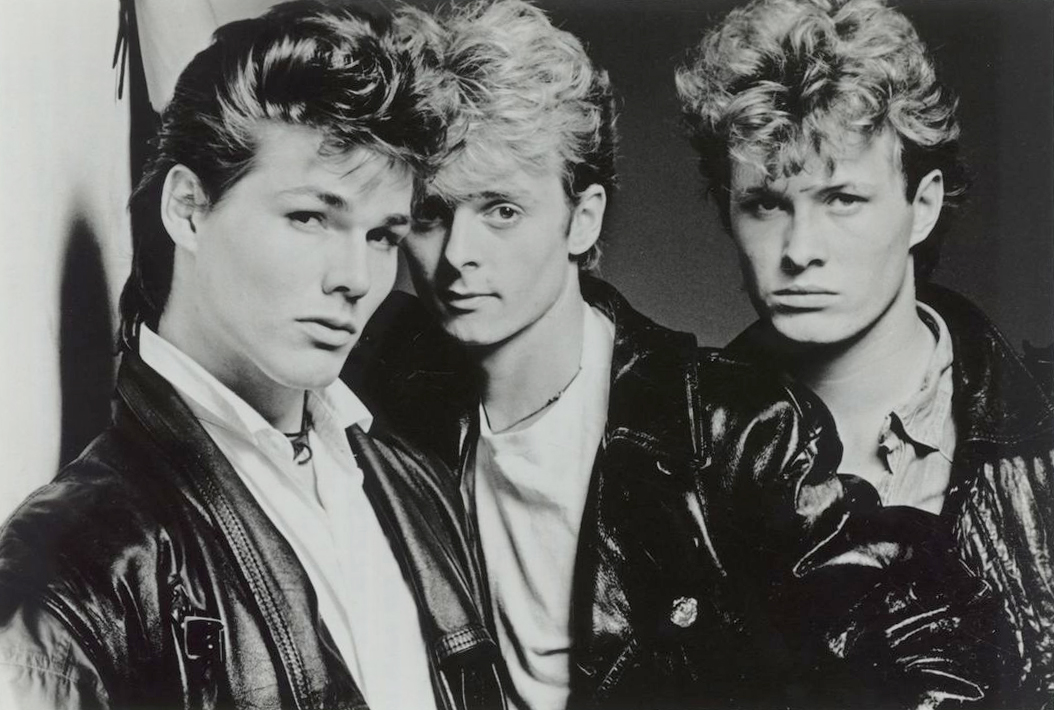
Few bands from the 1980s made a first impression quite as dazzling as A-ha. With their striking visuals, crisp Scandinavian style and a sound that could leap from icy electronic drama to full-hearted pop emotion in a matter of seconds, the Norwegian trio became one of the decade’s defining acts. Yet their story runs deeper than one famous video or one sky-high chorus. A-ha built a catalogue full of elegance, melancholy, ambition and melody, and that is exactly why their music continues to feel at home on classic hits radio today.
Three young musicians with big ambitions
A-ha began with three very different personalities who somehow fit together perfectly: singer Morten Harket, keyboard player and songwriter Magne Furuholmen, and guitarist and songwriter Pål Waaktaar, later known as Pål Waaktaar-Savoy. All three grew up in Norway, and music became an early calling.
Waaktaar and Furuholmen had first played together in a band called Bridges while they were still teenagers. They were serious, driven and already writing original material, inspired by the adventurous spirit of British and European pop and rock. Bridges had artistic promise, but the pair wanted a bigger future than Norway alone seemed able to offer. They were fascinated by the possibilities opening up in late 1970s and early 1980s pop: synthesisers, new wave textures, cinematic songwriting, and the idea that a band could be both emotionally direct and stylishly modern.
Morten Harket came from a different musical path. He had a powerful, expressive voice and had sung in a blues and soul-influenced group called Souldier Blue. His range was exceptional, but just as important was his ability to sound dramatic without losing warmth. When he joined forces with Waaktaar and Furuholmen, the chemistry was immediate. They had the songs, the sonic imagination and, now, the voice to carry them.
Like many great pop stories, theirs involved a leap of faith. The trio moved to London in the early 1980s, determined to break through internationally. It was not glamorous at first. Money was tight, the music business could be indifferent, and life in a new city was difficult. But that struggle shaped the group’s identity. They were outsiders with a clear vision, and they kept refining it until the world caught up.
The breakthrough that changed everything
That breakthrough came with Take On Me, one of the most recognisable pop songs ever recorded. What many listeners may not realise is that the song did not become an instant success in its earliest form. A-ha and their team worked on it repeatedly, reshaping the arrangement and trying to unlock its full potential. The melody was always there, and so was that astonishing vocal performance from Harket, but the right recording took persistence.
Then came the music video, and popular music history shifted. Directed by Steve Barron, the clip blended live action with pencil-sketch animation in a way that felt magical. It was inventive, romantic and unlike anything else on television at the time. Viewers did not just hear A-ha; they saw them enter the cultural imagination in real time. Once MTV embraced the video, Take On Me became a global phenomenon.
The song reached number one in the United States and topped charts in several countries, giving A-ha a spectacular arrival on the world stage. But one hit alone does not sustain a career. What mattered next was that the band could follow it with songs of real quality and character.
Their debut album, Hunting High and Low in 1985, proved they were no novelty act. It was polished, romantic and full of atmosphere. The title track carried a windswept emotional grandeur, while The Sun Always Shines on T.V. offered a darker, more dramatic side of the band. That song, with its grand synthesiser sweep and emotional tension, became a major hit in its own right and remains a favourite among fans who know A-ha as much more than a one-song story.
The songs that built their reputation
If classic hits radio listeners know A-ha first through Take On Me, they often stay for the richness of the wider catalogue. The band had a gift for balancing immediacy with atmosphere, making songs that sounded huge on the radio but also revealed more with repeated listening.
- Take On Me – the breakthrough smash, powered by one of pop’s most famous synth riffs and a vocal line that still sounds thrilling.
- The Sun Always Shines on T.V. – dramatic, emotional and majestic, showing the band’s ability to turn synth-pop into something almost symphonic.
- Hunting High and Low – tender, elegant and yearning, a perfect example of A-ha’s romantic streak.
- Cry Wolf – sharper and more urgent, with a catchy edge that helped keep the band’s momentum going.
- I’ve Been Losing You – moodier and more intense, revealing a darker side in their songwriting.
- Stay on These Roads – sweeping and reflective, one of their most beloved later 1980s recordings.
- The Living Daylights – their bold and stylish contribution to the James Bond world, bringing cinematic glamour to their sound.
- Summer Moved On – a later-era triumph, famous for Harket’s remarkable sustained high note and proof that A-ha could still command attention well beyond their first wave of fame.
Those songs show the range within the A-ha sound. There is sparkle and momentum, certainly, but also longing, loneliness, beauty and a sense of open space. Even their most radio-friendly singles often carry a hint of wistfulness underneath the gloss.
More than glossy pop
One reason A-ha have endured is that they were always a little more complex than their image suggested. At first glance, they could be seen as a sleek 1980s pop group with photogenic appeal and stylish videos. Listen more closely, though, and there is a real emotional seriousness in the music.
Pål Waaktaar’s songwriting often brought tension and introspection, while Magne Furuholmen helped shape the band’s melodic and textural identity on keyboards. Morten Harket, meanwhile, was the ideal interpreter. His voice could soar into the stratosphere, but it could also sound intimate and bruised. That combination gave A-ha a rare quality: they could make grand pop records that still felt human.
Musically, they drew from synth-pop, new wave, art-pop and mainstream melodic rock, but they never sounded like a simple copy of their influences. There was a cool Nordic clarity in their arrangements, yet also a romantic sweep that made the songs feel cinematic. In some tracks, the synthesisers shimmer like winter light; in others, the drums and guitars create a stronger pulse and sense of urgency.
“Take On Me” may have opened the door, but A-ha stayed in the room because the songs had depth.
That depth helped them connect across generations. Younger listeners might discover the band through the famous video, but many become long-term admirers once they hear the emotional range in the albums.
Behind the scenes and lesser-known stories
A-ha’s rise was dramatic, but their career was not a simple straight line. Like many bands that achieve sudden international fame, they had to navigate enormous pressure. Success arrived quickly, and the demands of touring, recording and media attention could strain even the strongest partnership. The three members were known to have different temperaments and creative instincts, and that friction sometimes became part of the story.
Yet in a strange way, that tension may also have sharpened the music. A-ha often sounded like a band balancing precision and passion, control and release. Their records carry that feeling beautifully.
One fascinating detail for music fans is just how much work went into Take On Me. It is often remembered as a lightning-bolt hit, but it was actually a lesson in persistence. Different versions were recorded before the right one emerged, and the song’s eventual success was the result of craft, patience and belief rather than luck alone.
Another point worth celebrating is Harket’s voice, which remains one of pop’s most distinctive instruments. His high notes were not merely decorative; they became part of the emotional architecture of A-ha’s songs. On Summer Moved On, for instance, that famous sustained note became a talking point all by itself, but the real achievement was how naturally it served the song’s ache and beauty.
The band also enjoyed a particularly strong and lasting following in Europe and South America, where audiences remained deeply loyal through changing musical fashions. While some listeners elsewhere froze A-ha in the mid-1980s, devoted fans knew the group kept evolving, recording ambitious later albums and returning successfully after periods apart.
The Bond moment and the art of reinvention
By the time A-ha recorded The Living Daylights for the 1987 James Bond film of the same name, they had already shown they could handle scale and drama. The Bond assignment suited them perfectly. It required glamour, tension and a touch of danger, and A-ha delivered all three with style.
The song gave them another major international moment and confirmed that they could operate in a more cinematic arena without losing their identity. It also fit naturally into their catalogue: sophisticated, melodic and slightly mysterious.
In the years that followed, the band continued to develop rather than simply repeat themselves. Albums such as Scoundrel Days and Stay on These Roads deepened the mood and broadened the emotional palette. Later, after a period away, their comeback work showed that maturity suited them. They were no longer just the bright young faces of the MTV age; they were seasoned artists with a strong sense of who they were.
Why A-ha still matter on classic hits radio
For classic hits radio, A-ha are a perfect fit because they offer both instant recognition and genuine musical substance. The opening notes of Take On Me can light up a room in seconds, but the band’s appeal goes far beyond one familiar riff. Their best songs carry the emotional lift that great radio needs: melody you remember, atmosphere you feel, and performances that still sound alive decades later.
They also represent something essential about the 1980s at its best. This was a period when pop could be inventive, stylish, emotionally expressive and globally ambitious all at once. A-ha captured that spirit beautifully. They were modern without being cold, polished without being empty, and catchy without sacrificing craft.
For listeners who lived through the era, A-ha bring back the glow of music television, cassette singles, neon-lit nights and the thrill of hearing a song that seemed to arrive from another world. For newer listeners, the band offers a gateway into a richer understanding of the decade: not just big hair and bright colours, but elegance, songwriting and atmosphere.
Most of all, A-ha matter because their music still moves. Beneath the stylish surfaces are songs about longing, hope, distance, memory and desire. Those themes do not age. They simply find new ears.
That is the real legacy of A-ha. They came from Norway with bold dreams, survived the struggle to be heard, and created records that still leap from the speakers with grace and feeling. On classic hits radio, that kind of magic never goes out of style.