
Nick Lowe turned Cruel to Be Kind into a 1979 classic
The night they recorded the hit version, Nick Lowe and his circle were not chasing bombast or studio trickery — they were chasing lift, wit, and the kind of chorus that seems to grin back at you. "Cruel to Be Kind" became exactly that: a smart, sparkling single with a longer story than most listeners ever guessed.
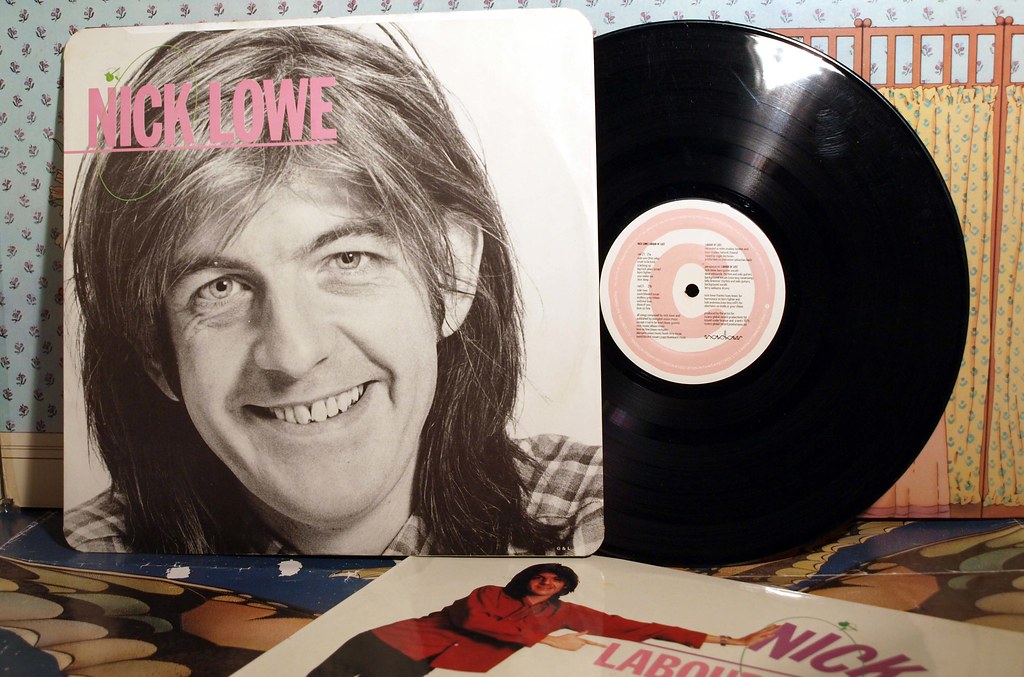
One of the great pleasures of classic radio is hearing a song that feels effortless, then discovering just how much history is tucked inside those three perfect minutes. “Cruel to Be Kind” is exactly that kind of record. Bright, witty, and irresistibly catchy, it sounds like it arrived fully formed on a summer breeze in 1979. In truth, it had a longer journey — one that wound through pub rock, friendship, sharp songwriting instincts, and a studio team that knew how to make clever pop feel gloriously natural.
A song with a longer backstory than most listeners realise
Written before the hit version
Although most people connect “Cruel to Be Kind” with 1979, the song actually began several years earlier. Nick Lowe wrote it with Ian Gomm, a fellow musician from the British pub rock scene, during the early 1970s. Both men were associated with Brinsley Schwarz, the much-loved but commercially underappreciated band that became a proving ground for a whole generation of songwriters and performers.
The first version of the song appeared in 1975 on Lowe’s solo debut The Jesus of Cool in the UK, released as Pure Pop for Now People in the United States. That earlier recording had charm, but it did not become a major hit. What it did do, however, was preserve a terrific song waiting for exactly the right moment.
That moment came a few years later, when Lowe revisited it for his 1979 album Labour of Lust. By then, he had refined not only the arrangement, but also his public persona: part smart pop craftsman, part sly observer, part rock and roll traditionalist with a modern edge. “Cruel to Be Kind” suddenly fit the times perfectly.
How the hit version came together
A sharper, brighter remake
The 1979 recording is the one that lodged itself in radio history. It took the bones of the earlier song and dressed them in a leaner, punchier, more confident production. The result was a record that sounded both classic and contemporary — full of melodic sparkle, but with enough bite to keep it from becoming too sweet.
The song was produced by Nick Lowe himself, which is fitting, because he was one of the defining producer figures of the late 1970s. He had already worked with artists such as Elvis Costello, helping shape the crisp, nervy sound of the era. Lowe understood economy in the studio. He liked records that moved quickly, made their point, and left you wanting to hear them again.
The musicians who gave it life
The hit version featured members of Rockpile, the formidable group built around Nick Lowe, Dave Edmunds, Billy Bremner, and Terry Williams. Rockpile were one of those bands musicians adored: tight, stylish, rooted in 1950s and 1960s rock and roll, but fully alive to the energy of the late 1970s.
That matters when you listen to “Cruel to Be Kind.” The playing is never flashy for its own sake. Instead, everything locks together with precision:
- Nick Lowe brings the lead vocal, bass, and the song’s knowing charm.
- Billy Bremner adds guitar work that keeps the track buoyant and driving.
- Terry Williams gives the song its firm, uncluttered rhythmic snap.
- The broader Rockpile chemistry helps create that wonderful sense of a band smiling while they play.
There is a real craft to the arrangement. The beat is brisk without rushing. The guitars chime rather than crash. The harmonies lift the chorus just enough. And then there is that title hook — playful, slightly mischievous, and instantly memorable.
Why the song connected so strongly in 1979
Power pop with wit and warmth
By 1979, popular music was a fascinating mix. Punk had shaken the industry. New wave was opening doors for smart, concise songwriting. At the same time, listeners still loved melody, romance, and a chorus they could sing on the way home. “Cruel to Be Kind” sat beautifully at that crossroads.
It had the directness and stripped-back confidence that the post-punk era valued, but it also tipped its hat to earlier pop traditions. You can hear echoes of the Brill Building approach, a touch of 1960s guitar pop, and the kind of melodic discipline associated with artists who knew that a great single should make its case in under four minutes.
That balance was one of Nick Lowe’s special gifts. He could write songs that sounded friendly on first listen and slyly sophisticated on the fifth. “Cruel to Be Kind” is a perfect example. The lyric plays with contradiction — affection expressed through exasperation, love wrapped in a grin — and Lowe delivers it with just enough irony to keep the whole thing dancing.
Chart success and commercial breakthrough
The song that gave Nick Lowe his biggest hit
For all his influence as a songwriter and producer, Nick Lowe was never primarily a chart-chasing artist. That makes the success of “Cruel to Be Kind” all the sweeter. The single became his biggest commercial hit and introduced him to a much wider audience.
In the United States, the song reached No. 12 on the Billboard Hot 100, a remarkable achievement for an artist more often praised by critics and fellow musicians than embraced by mainstream pop radio. In the United Kingdom, it also charted respectably, though its American breakthrough is often the headline when the song’s success is discussed.
Its commercial reception reflected something important: audiences were ready for intelligent pop that did not talk down to them. “Cruel to Be Kind” was catchy enough for mass appeal, but distinctive enough to stand apart from more disposable hits of the day. Radio loved it because it sounded immediate. Listeners loved it because it sounded like fun.
Behind the scenes: sharp minds, old friends, and a famous phrase
Ian Gomm’s crucial role
It is easy for co-writers to get lost in the glow of a hit, but Ian Gomm deserves a central place in the story. His collaboration with Lowe reaches back to the fertile pub rock years, when musicians were honing songs in clubs and bars rather than chasing grand rock spectacle. That scene prized strong writing, tight playing, and a lack of pretension — all qualities you can hear in “Cruel to Be Kind.”
The song’s title itself has long had a life beyond the record. The phrase existed before Lowe and Gomm used it, of course, and many listeners associate it with older expressions about tough love. But the song gave the line a new pop permanence. Once heard in that chorus, it is hard to forget.
Nick Lowe the craftsman
Lowe has often been admired for making difficult things sound easy. That can sometimes hide the level of precision involved. His records from this period are full of discipline: no wasted bars, no overblown solos, no clutter. “Cruel to Be Kind” feels spontaneous, but that lightness is the product of careful choices.
Great pop records often sound as if they simply happened. The secret is that somebody worked very hard to make them feel that way.
That observation fits this song beautifully. Its breezy confidence is part of its magic.
Cultural impact and long afterlife
A staple of classic pop radio
Decades later, “Cruel to Be Kind” remains one of those records that can brighten a room within seconds. It has become a dependable favourite on classic hits radio because it carries so many pleasures at once: a memorable hook, a smart lyric, a lively beat, and a performance that never grows stale.
It also helped define Nick Lowe’s public legacy. For casual listeners, this is often the song that opens the door. Once inside, they discover a much larger body of work — his solo records, his production work, and his role in connecting pub rock, new wave, and classic pop craftsmanship.
Its place in music history
“Cruel to Be Kind” stands as a bridge between scenes and eras. It links the underdog spirit of pub rock with the commercial possibilities of new wave. It nods to older rock and roll forms while sounding entirely at home in 1979. And it reminds us that the late 1970s were not only about musical revolution through noise and attitude; they were also about artists rediscovering how powerful a concise, beautifully built pop song could be.
That is one reason the record has endured. Trends come and go, but craftsmanship lasts. A song this well-made keeps finding new ears.
Why Cruel to Be Kind still feels fresh
A hit with brains, heart, and a smile
Some songs survive because they are tied to a moment. Others survive because they seem to slip free of time altogether. “Cruel to Be Kind” does a bit of both. It is unmistakably a product of the late 1970s — you can hear the clean lines, the post-punk efficiency, the power-pop shine — yet it also feels timeless because its structure is so strong and its personality so appealing.
Nick Lowe turned a clever phrase and a finely built tune into something more than a hit single. He made a record that captures the pleasure of pop at its best: smart but never smug, polished but never stiff, nostalgic but never stuck in the past. Every time it comes around on the radio, it still sounds like good news.
And perhaps that is the loveliest part of its legacy. For a song with the word cruel in the title, it has brought a great deal of joy.