
Michael Bolton — the power ballad with a songwriter’s heart
The night they recorded one of Michael Bolton’s great heartbreak anthems, you can almost imagine the studio lights dimming as that unmistakable voice rose to meet the chorus. Behind the big notes was a tireless songwriter who spent years learning how to turn raw feeling into unforgettable radio moments.
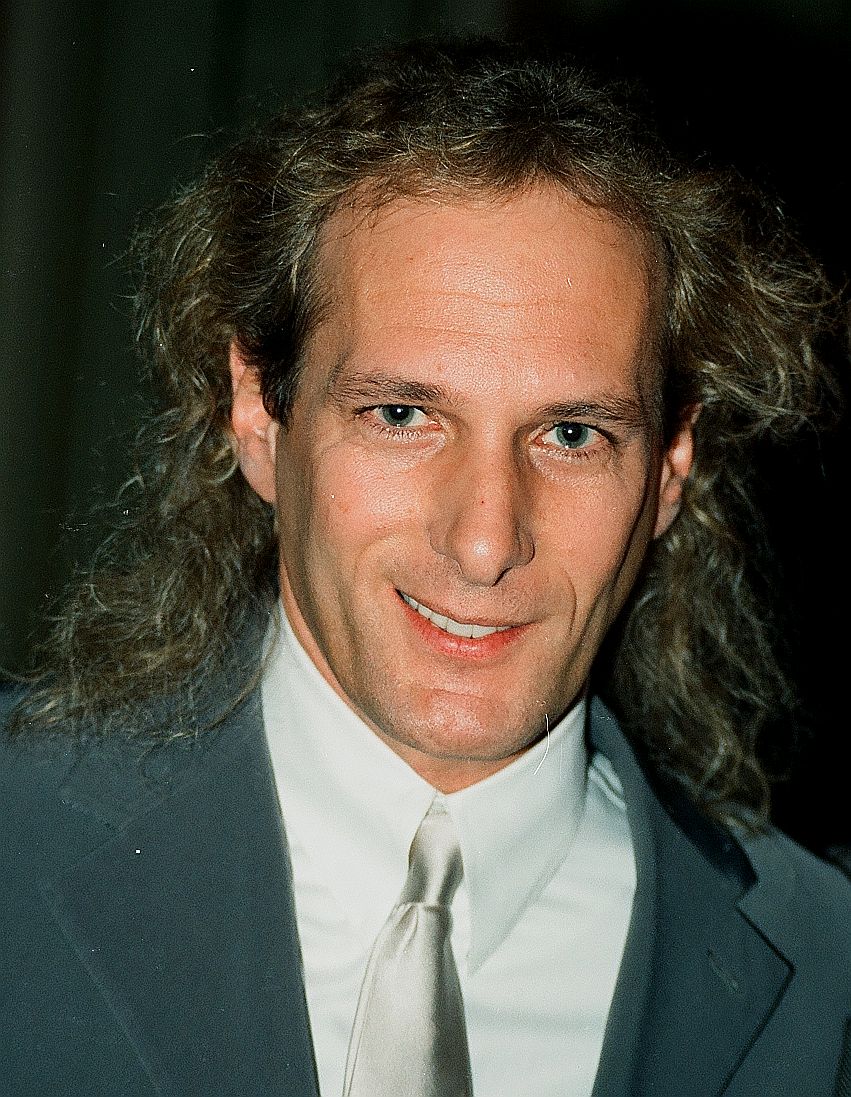
Michael Bolton has one of those voices that seems built for the radio: bold, emotional, instantly recognisable, and impossible to ignore once it rises into full flight. But behind the grand choruses and dramatic key changes is a story that is just as interesting as the songs themselves. Long before he became one of the defining adult contemporary hitmakers of the late 1980s and early 1990s, Bolton was a determined songwriter, a hard-working performer, and a music lover chasing that one big moment.
For classic hits listeners, his records still arrive with a special kind of energy. They bring romance, drama, and a touch of theatre, but they also carry the craft of a man who knew how to build a song from the inside out. Michael Bolton did not simply sing hits. He understood how they worked.
Growing up with music in his ears
Michael Bolton was born Michael Bolotin on February 26, 1953, in New Haven, Connecticut, in the United States. Music entered his life early, and like many future stars of his era, he was drawn to it not through a grand master plan but through fascination, instinct, and persistence. He grew up in a working-class family and was inspired by the great soul and rock voices that filled American radio in the 1960s.
As a young listener, he absorbed a wide range of sounds. Ray Charles, Otis Redding, Sam Cooke, and other vocal giants left a deep impression on him. You can hear it later in the way Bolton phrases a line: he does not just sing the melody, he leans into it, stretches it, and gives it a pleading emotional edge. That connection to soul music became one of the foundations of his style.
He started writing songs as a teenager and was serious about making music long before fame arrived. In fact, his early years were marked less by glamour than by sheer determination. He left school young and focused on building a career, learning the business from the ground up. Those first steps were not easy, but they taught him resilience. Bolton has often spoken about how much work went into simply staying in the game long enough to be heard.
Before the fame, there was the grind
One of the most fascinating parts of Michael Bolton’s story is that his breakthrough came later than many people realise. In the 1970s, he was recording under his birth name, Michael Bolotin, and his sound leaned more toward hard rock than the polished ballad style that would later make him famous. He even fronted the band Blackjack for a time, showing a very different side of his musical personality.
Those early records did not turn him into a household name, but they mattered. They sharpened his instincts as a performer and showed that he could adapt. More importantly, they kept him writing. And songwriting would become the bridge to everything that followed.
Before many listeners knew his face, people in the music industry knew his talent. Bolton began writing songs that other artists wanted to record, and that gave him a foothold. One of the big early signs of his songwriting strength came when he co-wrote How Am I Supposed to Live Without You, a song first recorded by Laura Branigan in 1983. It was a major hit for her and proved that Bolton had the rare ability to write emotionally direct songs that connected instantly with a wide audience.
That mattered enormously. Sometimes an artist breaks through because the right song finds the right moment. In Bolton’s case, there was also the long apprenticeship behind that moment: years of writing, revising, recording, and waiting for the world to catch up.
The breakthrough years that changed everything
By the late 1980s, Michael Bolton had found the sound that would define him. He moved toward a polished blend of pop, rock, and blue-eyed soul, built around soaring vocals and emotionally charged ballads. It was a perfect match for radio at the time, and once the connection clicked, the hits came in a rush.
His 1987 album The Hunger helped establish him with songs like That’s What Love Is All About, but it was the next phase of his career that turned success into stardom. In 1989, Bolton released Soul Provider, and suddenly he was everywhere. The album was packed with songs that became radio staples, including How Am I Supposed to Live Without You, this time recorded by Bolton himself. His version reached number one in the United States and won him a Grammy Award.
Then came How Can We Be Lovers, When I’m Back on My Feet Again, and the title track Soul Provider. These were not small, modest records. They were full-bodied, emotional performances designed to fill a room, a car, or a late-night radio hour with feeling.
Bolton followed that with another major success, Time, Love & Tenderness in 1991. If Soul Provider made him a superstar, this album confirmed his place in the top rank of adult contemporary hitmakers. It included his towering cover of When a Man Loves a Woman, which became one of his signature performances. Taking on a song so deeply associated with Percy Sledge was a bold move, but Bolton did not treat it lightly. He brought reverence, power, and his own dramatic style to it, and listeners responded.
That album also featured Love Is a Wonderful Thing, Missing You Now with Kenny G, and Time, Love and Tenderness. For a period in the early 1990s, Michael Bolton was one of the most reliable presences on mainstream radio, and his songs became part of everyday life for millions of listeners.
The songs people still turn up loud
Ask classic hits fans about Michael Bolton, and a handful of songs almost always rise to the top. They endure because they are built around universal emotions: heartbreak, longing, devotion, and hope. Bolton knew how to sing those feelings at full strength without losing the sincerity at the centre.
- How Am I Supposed to Live Without You – Perhaps the ultimate Michael Bolton ballad, balancing heartbreak with vocal control and dramatic release.
- When a Man Loves a Woman – A huge, passionate reinterpretation of a soul classic that became one of his defining recordings.
- How Can We Be Lovers – More upbeat, with a punchy hook that gave radio listeners a welcome burst of energy.
- Love Is a Wonderful Thing – A bright, confident hit with gospel-pop lift and one of his most recognisable choruses.
- Said I Loved You… But I Lied – A major 1990s hit that showed his talent for delivering a lyric with both tenderness and force.
- To Love Somebody – His version of the Bee Gees song is another example of how well he could inhabit material written by others.
There is a reason these songs still work on classic hits radio. They are not just reminders of a certain era; they are expertly constructed records with memorable melodies and emotional clarity. You know what the song is about almost immediately, and Bolton makes sure you feel it.
A voice made for drama, shaped by soul
Michael Bolton’s musical style is often described through the lens of the power ballad, and that is certainly part of the story. But there is more going on in his music than sheer vocal force. His singing is rooted in soul phrasing, pop accessibility, and a songwriter’s understanding of tension and release.
He knows when to hold back and when to let the voice open up. That balance is one reason his biggest performances land so effectively. The verses often begin in a conversational, almost intimate space, and then the chorus arrives like a wave. It is theatrical, yes, but it is also disciplined.
His influences are easy to hear. The emotional directness of classic soul singers runs through his work, while the polished production places him firmly in the adult contemporary world of the late 1980s and early 1990s. He was part of a generation of artists who treated romance and heartbreak not as small private feelings but as subjects worthy of grand musical statements.
That style made him a natural fit for radio. His records sounded rich on air, and his voice cut through immediately. Whether you heard him through a car speaker, a kitchen radio, or a late-night request show, there was no mistaking who it was.
Stories behind the songs and the man
One of the appealing things about Bolton’s career is how much of it was built behind the scenes before the spotlight fully arrived. He was not an overnight sensation, and that gives his later success an extra layer of satisfaction. By the time he became famous, he had already put in years of work as a writer and performer.
There are also details that surprise casual listeners. For one, he wrote songs for other major artists, including work connected with acts such as Barbra Streisand and Kiss. That range says a lot about his versatility. He could write for powerhouse vocalists, but he could also think in terms of rock structure and mainstream hooks.
Another lesser-known point is how often Bolton has shown a sense of humour about his own image. Because his earnest ballads became so iconic, he later leaned into self-parody in television appearances and comedy sketches, introducing himself to younger audiences in a completely different way. That willingness to laugh at himself made him more approachable and reminded people that behind the intense delivery was a musician with perspective.
“I always wanted to write and sing songs that people could feel in their lives.”
That idea runs through his catalogue. Whatever the production style, Bolton’s songs aim for emotional recognition. He wants the listener to hear their own heartbreak, hope, or memory in the lyric.
He has also remained active well beyond his commercial peak, continuing to tour, record, and connect with audiences who stayed loyal to him across decades. That kind of staying power is not accidental. It comes from having songs people genuinely want to hear again.
Why Michael Bolton still matters on classic hits radio
Classic hits radio thrives on songs that bring back a feeling in the space of a few seconds. Michael Bolton has plenty of those. The opening lines of How Am I Supposed to Live Without You, the build of When a Man Loves a Woman, the lift of How Can We Be Lovers — these are records that instantly place listeners somewhere: in a first apartment, on a long drive, at a school dance, by a living-room stereo, or simply in the emotional atmosphere of another time.
But nostalgia alone is not enough. To last on radio, a song needs craft, identity, and replay value. Bolton’s best records have all three. They are polished without feeling empty, dramatic without losing melody, and emotional without becoming vague. In a crowded era of big voices, his stood out because it carried both power and personality.
For today’s classic hits audience, Michael Bolton also represents something valuable that modern music can sometimes rush past: commitment. His songs commit to the emotion, the melody, and the performance. They do not wink at the listener. They mean every word. That sincerity is part of their charm.
And there is another reason he matters. Bolton’s career is a reminder that perseverance can be as important as talent. He did not arrive fully formed as the king of the dramatic ballad. He evolved, adapted, wrote for others, changed direction, and kept going until his moment came. That journey gives the hits extra weight.
The lasting glow of a great radio voice
Michael Bolton’s legacy is bigger than a hairstyle, a run of chart positions, or a handful of giant ballads. He occupies a distinct place in pop history as a singer-songwriter who brought soul influence, pop craft, and unapologetic emotion into the mainstream in a way that connected around the world.
For listeners who grew up with his records, hearing him on the radio still feels like meeting an old friend who has not lost his voice. For younger listeners discovering him now, there is something refreshing about the scale of the feeling in those songs. They are heartfelt, expertly sung, and built to last.
That is why Michael Bolton remains such a rewarding artist to revisit. Behind the famous choruses is a musician who worked hard for every step, understood the architecture of a hit, and never forgot that a great song should make people feel something real. On classic hits radio, that never goes out of style.