Midnight in the Studio: How Laura Branigan Turned Self Control into a Neon Fever Dream
Dark, sleek, and impossible to ignore, Self Control turned Laura Branigan into the queen of midnight pop.
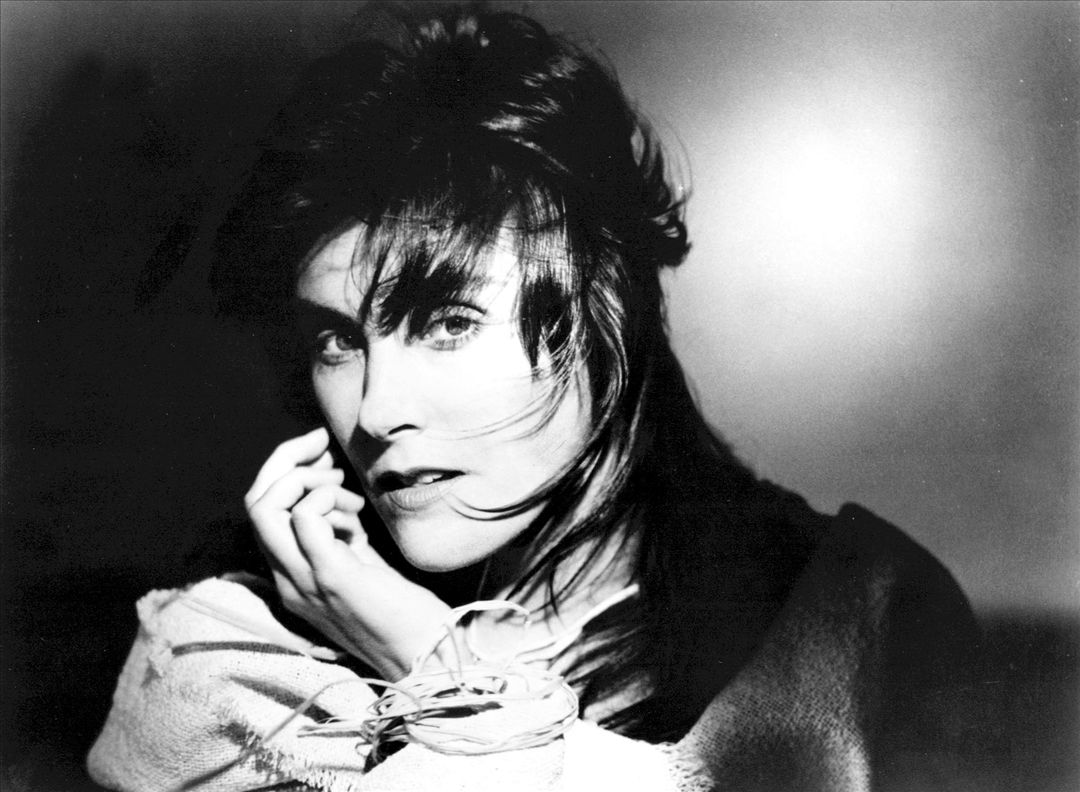
There are songs that define a moment, and then there are songs that seem to glow with it. Laura Branigan’s Self Control, released in 1984, belongs firmly in that second category: all pulsing tension, sleek keyboards, and late-night drama. It arrived in the middle of the MTV era looking and sounding like pure after-dark electricity, yet behind its polished surface was an international story of songwriting, reinvention, and razor-sharp pop craftsmanship.
An Italian hit before Laura Branigan ever sang a note
One of the most interesting things about Self Control is that Laura Branigan did not introduce the song to the world. It was first recorded in Italian pop circles by singer Raf, whose full name is Raffaele Riefoli. He co-wrote the song with Giancarlo Bigazzi and Steve Piccolo, and his version appeared in 1984, around the same time Branigan was preparing her own recording.
That international origin mattered. Branigan had already built a reputation for transforming European songs into major English-language hits. Her breakthrough smash Gloria had also begun life in Italy, written by Umberto Tozzi and Giancarlo Bigazzi before Branigan made it a global sensation. So when Self Control came along, there was already a proven pathway: find a song with strong melodic bones, reshape it for the American and international pop market, and let Branigan’s voice do the rest.
The writers behind the tension
Giancarlo Bigazzi was one of the key architects of Italian pop in this period, with a gift for dramatic melodies that travelled well across borders. Raf brought a contemporary edge and emotional urgency, while Steve Piccolo, an American musician and songwriter working in Europe, helped shape the lyric and mood. Together, they created a song that felt both mysterious and immediate.
The lyric captures the push and pull of temptation, nightlife, and emotional danger. “I live among the creatures of the night” is one of those opening lines that instantly paints a scene. It is theatrical, a little cinematic, and perfectly suited to the glossy, nocturnal mood of mid-1980s pop.
Recording the Branigan version
Laura Branigan’s version of Self Control was recorded for her 1984 album of the same name, and it was produced by Jack White, the German producer and songwriter who had also worked on Gloria. White understood how to frame Branigan’s voice: not by softening its power, but by placing it in arrangements that let her intensity cut through gleaming synthesizers and dance-floor rhythms.
That was the magic trick of Self Control. The production is highly controlled, almost architectural, but Branigan sings as if she is right on the edge of losing control completely. That tension is what makes the record so exciting even now.
A voice built for drama
Branigan was not a whispery new-wave vocalist. She had a big, commanding voice, trained and disciplined, yet capable of sounding urgent and vulnerable at once. On Self Control, she does not simply ride the beat; she pushes against it. Her phrasing gives the song a human heat that keeps the electronic production from feeling cold.
Listen closely and you can hear how carefully the arrangement supports that performance. The synthesizers shimmer and pulse, the drums hit with dance-pop precision, and the backing vocals add atmosphere without crowding the lead. It is a classic 1984 balance: machine-tight rhythm paired with full-bodied emotional delivery.
The musicians and studio craft
Like many major pop productions of the era, Self Control was built by skilled session players and studio specialists who knew how to create a radio-ready record with style and clarity. Jack White’s productions often leaned on disciplined arrangements, layered keyboards, and crisp rhythm tracks, all of which are central here.
The result was a track that felt luxurious without becoming overstuffed. Every part serves the mood. The keyboards create that glowing midnight atmosphere, the percussion keeps the song moving forward, and Branigan remains the emotional focal point throughout. It is a fine example of how 1980s pop could be both mechanical and deeply expressive.
Climbing the charts in a fiercely competitive year
1984 was no easy year to break through. Pop radio was packed with giants, MTV was reshaping how hits were sold, and the charts were crowded with enduring records by artists such as Prince, Tina Turner, Duran Duran, Cyndi Lauper, and Madonna. Yet Self Control cut through that noise in impressive fashion.
The single became one of Laura Branigan’s biggest international hits. In the United States, it reached the Top 10 on the Billboard Hot 100, peaking at No. 4. It also performed strongly on dance and adult contemporary charts, showing just how broad its appeal was. This was not a niche club record and it was not just a pop single for teenagers. It worked across formats, which is often the sign of a truly durable hit.
Internationally, the song was even more formidable, reaching high chart positions across Europe and beyond. In several countries, Branigan’s version became the definitive one, even though Raf’s original was also a success. That dual-chart story is unusual and fascinating: two versions of the same song competing in the same cultural moment, each with its own identity.
Commercial reception
Audiences responded not only to the song but to the whole package around it. The single helped drive interest in Branigan’s Self Control album, which solidified her standing as more than a one-hit or two-hit artist. By 1984, she had become one of the most reliable interpreters of dramatic, high-energy European-influenced pop for the international market.
Critics and listeners alike recognised the song’s immediacy. It was catchy enough for mainstream radio, stylish enough for the clubs, and emotionally charged enough to leave a lasting impression after the first listen.
The video that made it feel dangerous
If the record sounded like the city after midnight, the music video gave it a face. Directed by William Friedkin, the filmmaker famous for The Exorcist and The French Connection, the video pushed Self Control into more provocative territory. Masked figures, dreamlike imagery, and a sense of erotic menace gave the song a visual identity that was far darker and stranger than many pop clips of the day.
That was a bold move in the MTV era. Videos were becoming essential, but not all of them aimed for cinematic unease. Branigan’s did. It stood out because it treated the song’s themes of temptation and nighttime freedom as something seductive but unsettling.
A little controversy helped
The video was edited in some markets because of its sensual imagery, which only added to its reputation. In the 1980s, a touch of controversy could act like rocket fuel for a pop single, especially on television. Viewers remembered what startled them, and Self Control certainly had that effect.
It was one of those perfect MTV moments: a song already built for radio suddenly gaining a second life through unforgettable visuals.
Why the song still lasts
Part of the enduring appeal of Self Control is that it captures several key threads of 1980s music at once. It has the European pop sophistication that shaped so much of the decade. It has the electronic pulse that drove dance music into the mainstream. And it has a powerhouse vocal at the centre, reminding listeners that even the most polished synth-pop needed a human heart.
It also fits beautifully into a broader shift happening in pop at the time. By the mid-1980s, artists and producers were becoming more ambitious with texture, mood, and image. Songs were no longer just songs; they were experiences, often tied to a strong visual and emotional world. Self Control understood that instinct perfectly.
Its place in 1980s pop history
Today, the song is a staple of 1980s compilations, retro radio, streaming playlists, and dance-floor throwback sets. It continues to resonate because it never feels flimsy or disposable. There is real tension in it, real craftsmanship, and a vocal performance that still sounds thrilling.
It also helped define Laura Branigan’s legacy. While Gloria may have introduced her to many listeners, Self Control confirmed her as a major voice of the era: dramatic, elegant, and completely at home in high-gloss pop with a dark edge.
Behind-the-scenes details worth remembering
- It was part of a remarkable Branigan pattern: she had a special talent for identifying European songs that could become international English-language hits.
- Two hit versions existed at once: Raf’s original and Branigan’s cover both found audiences in 1984, which is relatively rare in modern pop history.
- A major film director made the video: William Friedkin’s involvement gave the visual an unusual cinematic weight.
- The production walked a fine line: sleek enough for dance clubs, dramatic enough for pop radio, and polished enough for adult contemporary listeners.
A neon-lit classic
More than forty years on, Self Control still feels alive in that special way only the best 1980s records do. It is stylish, yes, but never merely fashionable. It is dramatic, but not overblown. And at its centre is Laura Branigan, singing with the kind of conviction that can turn a finely made pop song into something unforgettable.
Put it on late at night and it still works its spell. The beat glides in, the keyboards flicker like city lights, and Branigan’s voice steps into the darkness with absolute confidence. That is the enduring thrill of Self Control: a song about temptation that never lost its own.