Spycraft in Spurs
Cowboys, gadgets, and secret missions should not work this well, but Wild Wild West makes it look effortless.
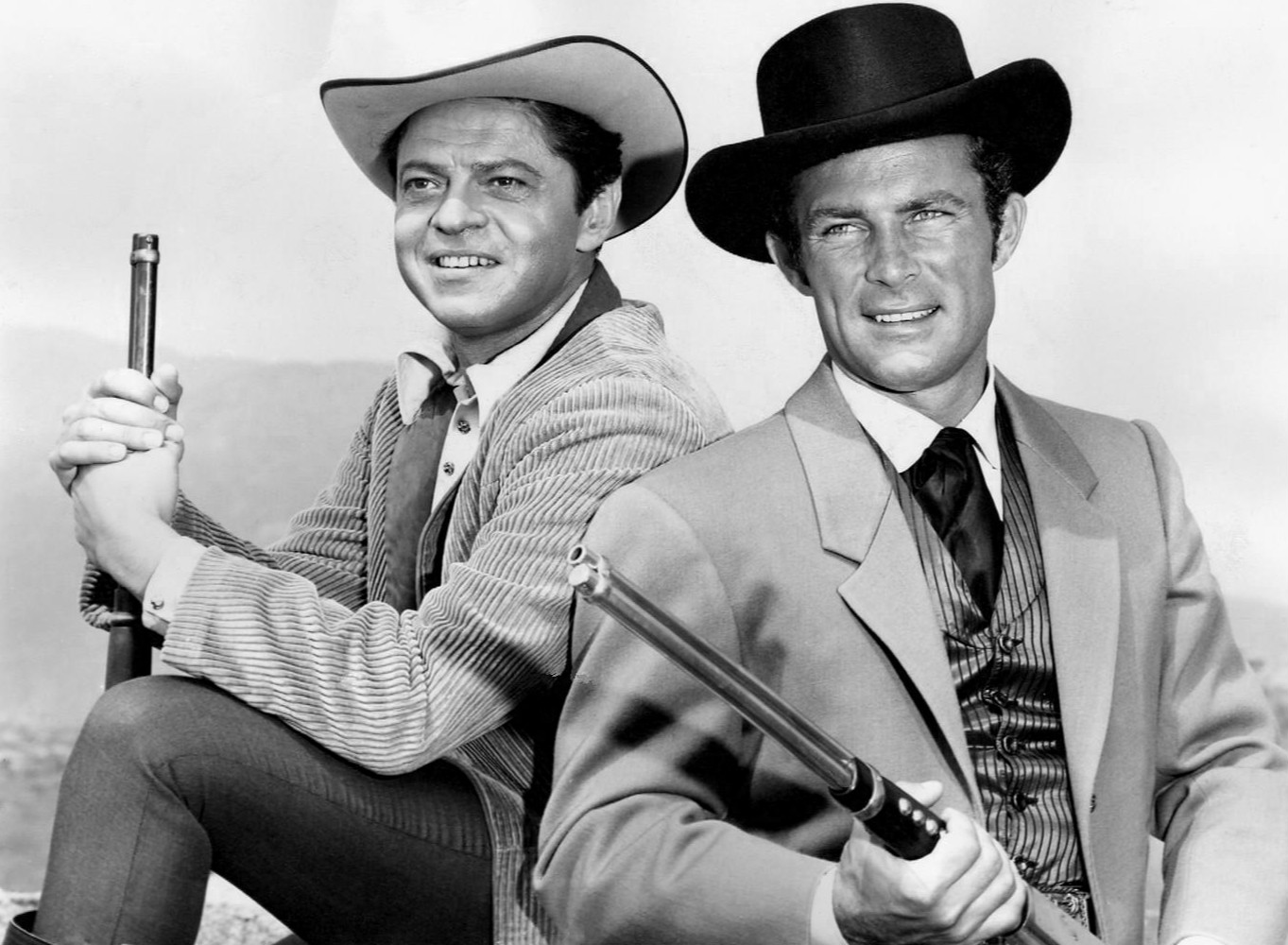
Some television series feel like they belong to one neat little box. Wild Wild West never did. It strode onto screens in 1965 wearing a cowboy hat, carrying a secret agent’s toolkit, and moving with the brisk confidence of a hit song that knows exactly when to land the chorus. Even now, it remains one of the most delightfully inventive shows of its era: part Western, part espionage adventure, part playful fantasy, and all wrapped in a style that still feels fresh.
Set during the administration of President Ulysses S. Grant, the series follows government agents James T. West and Artemus Gordon as they travel by train, foil elaborate criminal schemes, and face off against a gallery of memorable villains. That premise alone is enough to catch the imagination, but what made Wild Wild West such a treat was the way it embraced its own wild possibilities with a grin. It was smart, fast, handsomely made, and never afraid to be a little larger than life.
A Western with a secret compartment
At first glance, the ingredients should not fit together so smoothly. The American frontier and high-tech gadgetry? Victorian manners and comic-book villainy? Martial arts, disguises, hidden laboratories, and a luxurious train serving as mission headquarters? Yet Wild Wild West made it all seem perfectly natural.
The show arrived during a decade when spy fever was in the air. Audiences loved intrigue, coded messages, and ingenious devices, and the success of James Bond had clearly opened doors across popular culture. What Wild Wild West did so cleverly was translate that excitement into a distinctly American adventure setting. Instead of sleek European casinos and sports cars, viewers got dusty towns, rail lines, saloons, and saddle leather. The result was not a gimmick but a genuine fusion, and a very entertaining one.
There is something irresistible about the series’ central image: two elite agents operating out of a beautifully appointed private railroad car, rolling across the country on secret missions. It is a premise with instant romance. The train itself became a character, packed with hidden devices, trapdoors, and elegant furnishings that gave the series an extra layer of charm. In many ways, it was the perfect symbol for the show: classic on the outside, full of surprises within.
Robert Conrad and Ross Martin make the whole machine sing
No matter how imaginative the concept, a series like this lives or dies on chemistry. Here, Wild Wild West was blessed with one of television’s most winning partnerships. Robert Conrad’s James T. West brought athletic confidence, cool authority, and just the right touch of swagger. He played West as a man of action, quick with his fists, sharp under pressure, and entirely believable as the government’s answer to any crisis that required courage and charm in equal measure.
Then there was Ross Martin as Artemus Gordon, the perfect counterweight and, in many ways, the show’s secret weapon. Gordon was a master of disguise, a quick-thinking strategist, and often the source of the series’ sly wit. Martin brought tremendous versatility to the role, slipping into accents, costumes, and comic turns with dazzling ease. Watching him transform from one identity to another remains one of the great pleasures of the series.
Together, Conrad and Martin had the sort of rhythm that every great duo needs. One was direct, physical, and instinctive; the other inventive, theatrical, and cerebral. Their scenes crackled with easy rapport. You believed they trusted each other, respected each other, and genuinely enjoyed the adventure. That warmth gave the show a human centre beneath all the gadgets and danger.
The joy of Artemus Gordon’s disguises
If you ask long-time fans what they remember most fondly, there is a good chance Artemus Gordon’s disguises will come up very quickly. Ross Martin turned these moments into miniature performances within the performance. One week he might appear as a dignified gentleman, the next as a comic eccentric, and then as someone altogether unexpected. It added a playful theatricality to the show and gave each episode a sense that anything might happen.
Behind the scenes, Martin’s range was a gift to the writers and costume department alike. The disguises were not just plot devices; they became part of the series’ identity. In a television landscape already crowded with Westerns, that kind of imaginative flair helped Wild Wild West stand out.
A rogues’ gallery worth tuning in for
Every hero needs a memorable villain, and Wild Wild West delivered them in style. The standout, of course, was Dr. Miguelito Loveless, played with scene-stealing brilliance by Michael Dunn. Loveless was not a one-note adversary. He was cultured, witty, dangerous, and often oddly sympathetic even while plotting chaos on a grand scale. Dunn gave the character intelligence and sparkle, creating a villain viewers could not wait to see again.
His schemes were gloriously extravagant, often involving bizarre inventions and outsized ambitions. This was part of the show’s magic. It was never content with ordinary criminal activity when it could offer elaborate traps, strange machines, and theatrical showdowns. Loveless episodes in particular had an extra charge, as if the series itself knew it was in the company of one of television’s great antagonists.
That said, the wider parade of villains also deserves praise. Mad scientists, foreign agents, power-hungry masterminds, and assorted troublemakers all passed through the series, each adding to the sense that West and Gordon inhabited a heightened, unpredictable world. It gave the show a comic-book energy before that sort of cross-genre storytelling became common.
Style, swagger, and a memorable opening
There are television intros, and then there are television intros that practically leap off the screen. The animated title sequence for Wild Wild West is one of the latter. Clever, dynamic, and unmistakably of its time, it set the tone beautifully. Before a line of dialogue had been spoken, viewers already knew they were in for action, intrigue, and a dash of playful cool.
The series looked terrific too. Costumes were crisp, sets were atmospheric, and the production had a polished confidence that helped sell even its most outrageous ideas. There was always something appealingly tactile about the world of the show: polished wood interiors, brass fittings, formalwear, revolvers, velvet drapes, and hidden mechanisms clicking into place. It was visual storytelling with flair.
And then there was the action. Robert Conrad became well known for performing many of his own stunts, which added real excitement to the fight scenes. That physical commitment gave the series extra punch. Even in its most fanciful moments, there was a grounded sense of movement and risk that kept the adventures lively.
A little behind-the-scenes magic
Part of the enduring affection for Wild Wild West comes from the craftsmanship behind it. The series was created by Michael Garrison, who had the inspired notion of blending the popularity of spy fiction with the enduring appeal of the Western. It was a bold idea, and one that could easily have tipped into parody in less capable hands. Instead, the team found a tone that balanced excitement, humour, and style.
Television in the 1960s often had to achieve a lot on tight schedules, and there is something especially charming about seeing how creatively shows of that era solved storytelling problems. Miniatures, practical effects, inventive set design, and strong performances did much of the heavy lifting. Wild Wild West used those tools with imagination, creating a world that felt much bigger than the limitations of weekly television might suggest.
What makes the show so easy to revisit is simple: it has confidence, personality, and a sense of fun that never feels forced.
Why it still feels special
Nostalgia certainly plays a part in the affection many viewers have for Wild Wild West, but nostalgia alone does not keep a series alive. What lasts is execution, and this show had plenty of it. The episodes move briskly. The central duo remains immensely likeable. The blend of action and humour is consistently appealing. Most importantly, the series has imagination to spare.
Modern audiences, used to genre mash-ups and cinematic television universes, may be surprised by just how ahead of its time Wild Wild West could feel. It was doing playful hybrid storytelling decades before that became a common strategy. It trusted viewers to enjoy a world where historical adventure and futuristic fantasy could share the same frame.
There is also a warmth to the show that makes it a particularly friendly revisit. For all the danger, the mood is buoyant. The banter lands, the villains are colourful, and the heroes are easy company. It is the kind of series you can settle into with real pleasure, knowing you are about to spend an hour in the hands of storytellers who want to entertain you.
A classic worth climbing aboard
If you have never seen Wild Wild West, this is an easy recommendation. And if you already know it, chances are the opening theme, the sight of that train, or one of Artemus Gordon’s disguises can still bring a smile. The series captured something wonderfully specific: the joy of a television adventure that is clever without being cold, stylish without being stiff, and thrilling without forgetting to have fun.
Like a great record spinning on late-night radio, Wild Wild West has energy, character, and a hook you remember instantly. It may come from the years 1965 to 1969, but its appeal rolls on. For fans of classic television, it remains a gleaming, fast-moving ride well worth taking again.
- Best remembered for: the unique Western-spy blend, the chemistry between its two leads, and Michael Dunn’s unforgettable Dr. Loveless
- Why it works: imaginative writing, stylish production, witty performances, and a playful sense of adventure
- Perfect for: viewers who enjoy classic television with charm, invention, and a dash of theatrical mischief