
Just played
Archive
Stories
Retro TV
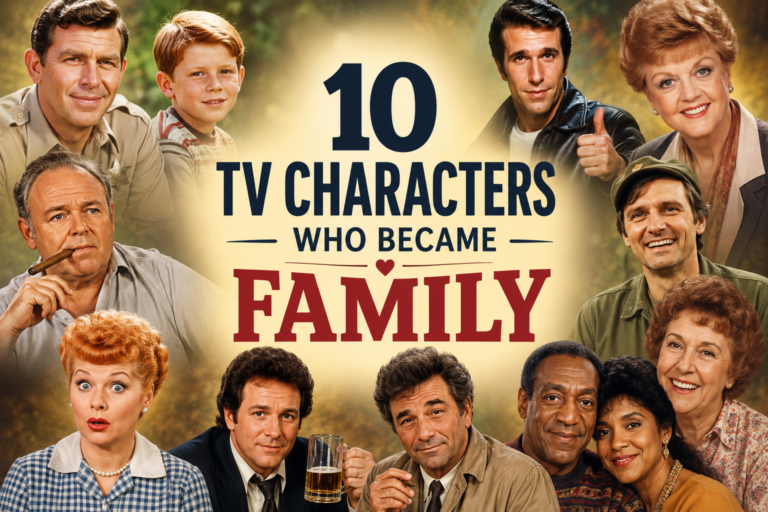
10 TV Characters Who Became Family
Some TV characters were so special, they stopped feeling like fictional people—they became part of the family. ❤️ From Fonzie and Hawkeye…
Music
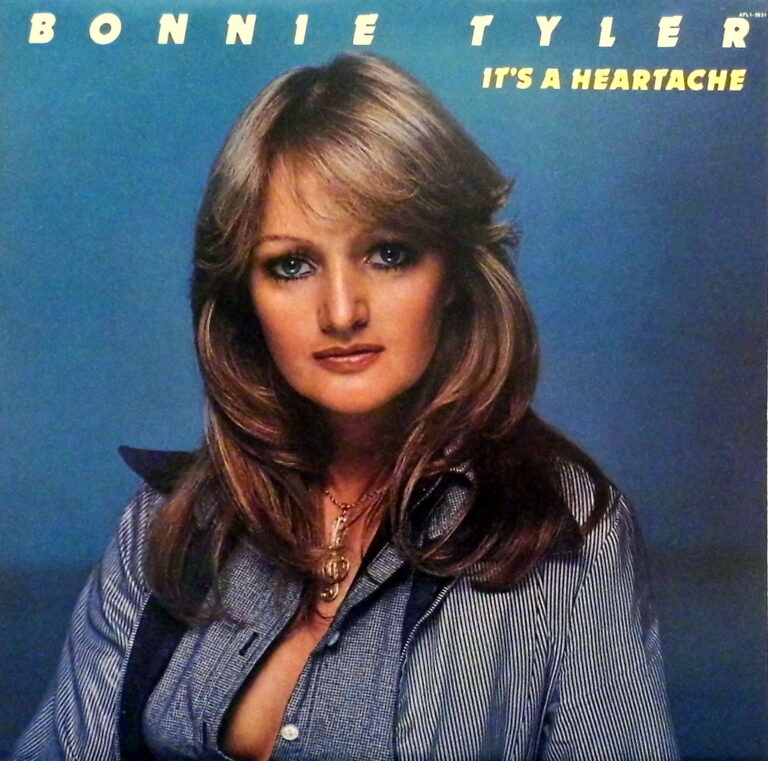
Bonnie Tyler: The Voice That Burned Bright
Bonnie Tyler rose from the club circuit in Wales to become one of pop's most instantly recognisable voices, turning raw emotion and…
Music
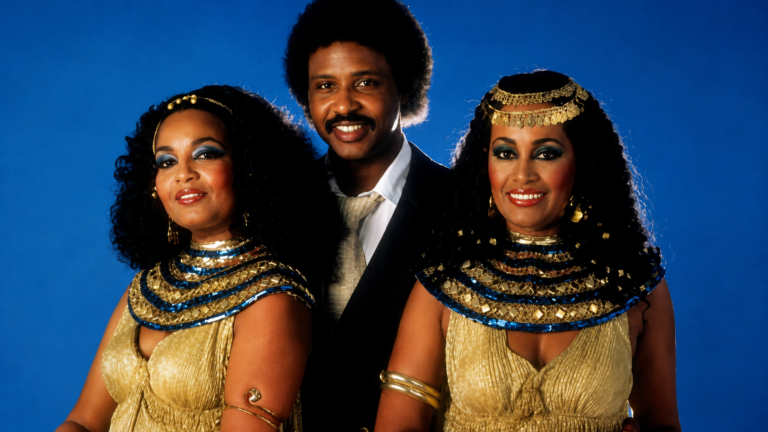
City Lights, One Groove
Disco had bigger smashes, but few records painted a city with more style than “Native New Yorker.”
Music
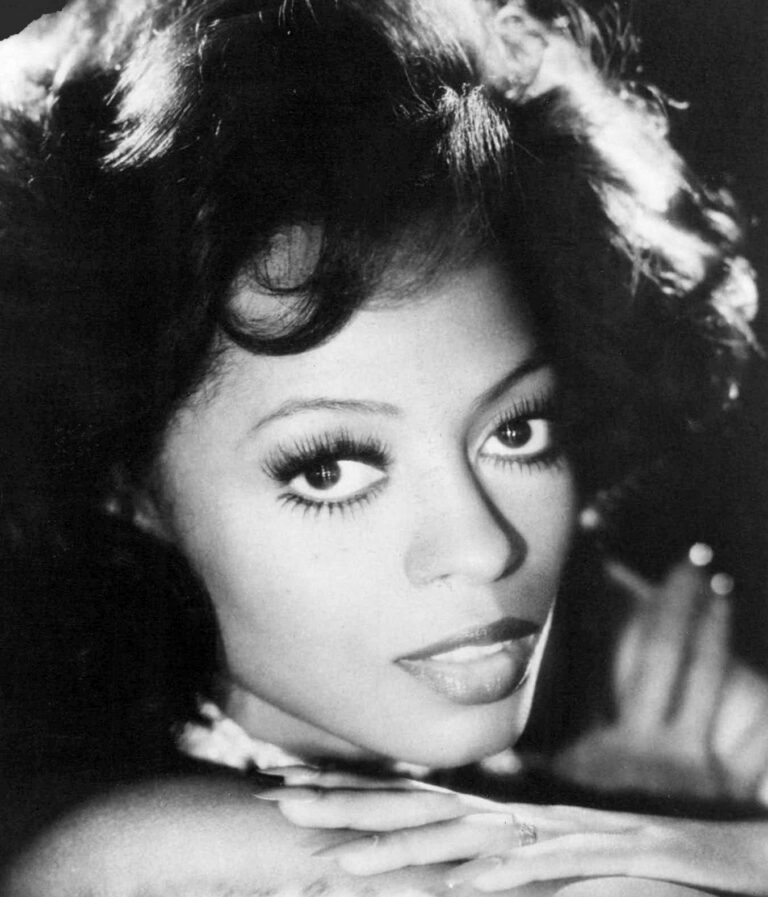
How Love Hangover Took Over
The studio lights dim, the groove waits in the shadows, and Diana Ross begins almost in a whisper. Then Love Hangover flips…
Music
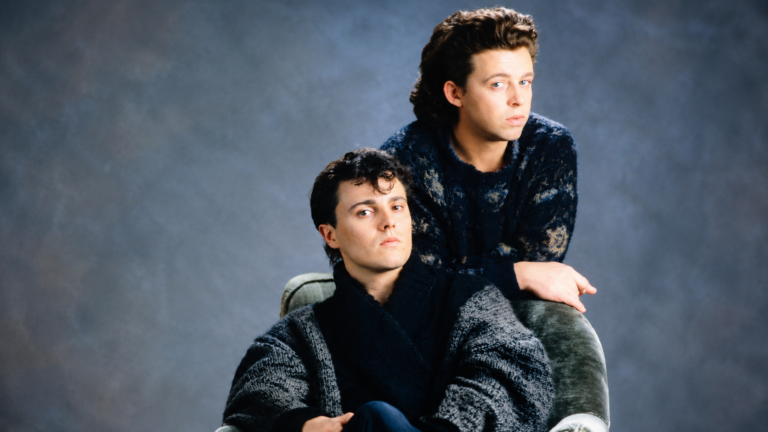
Tears for Fears in the MTV era glow
A shimmer of synthesizer, a sharp suit, and a chorus big enough to fill the room: Tears for Fears still know how…
Music
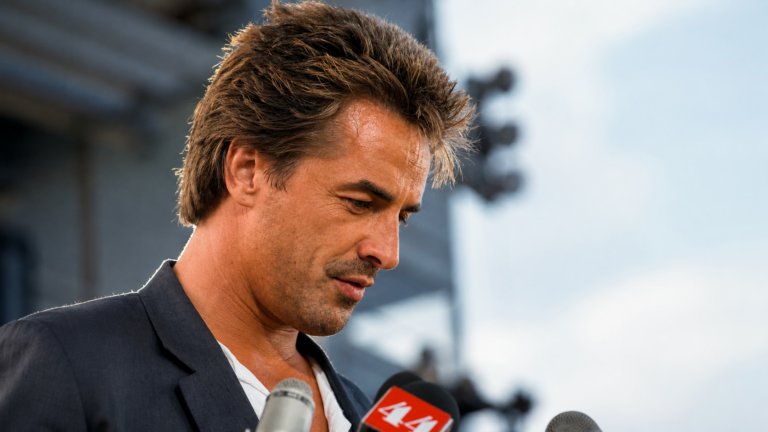
Heartbeat on the Dial
A television superstar with a serious studio team behind him, Don Johnson turned Heartbeat into one of 1986's most memorable pop surprises.…
Music
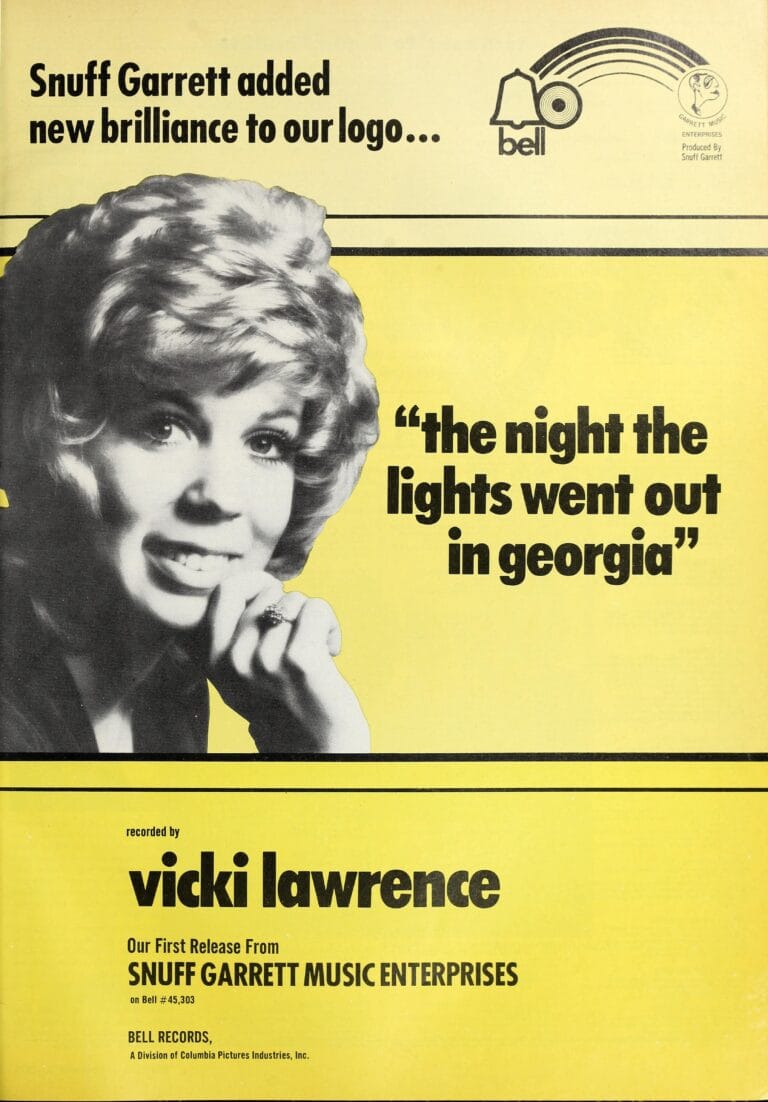
Murder, Moonlight, Radio Gold
Here's what made "The Night the Lights Went Out in Georgia" such irresistible radio: a killer twist, a cool-headed vocal, and a…
Music
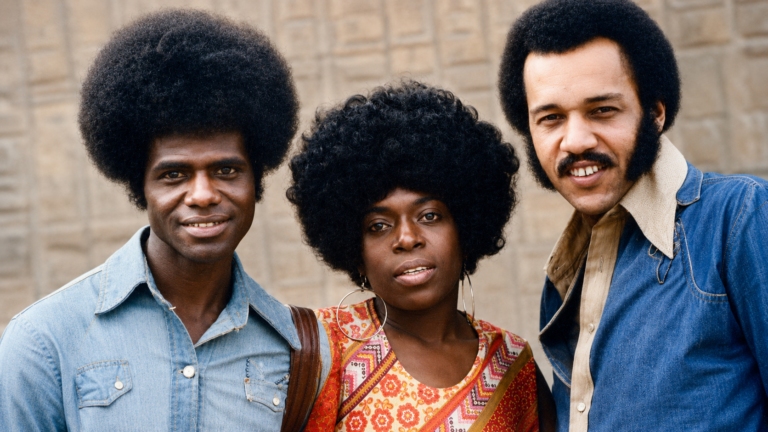
How Rock the Boat Became a Disco Landmark
A light, breezy hit on the surface, "Rock the Boat" was one of the records that quietly changed pop history.
Music
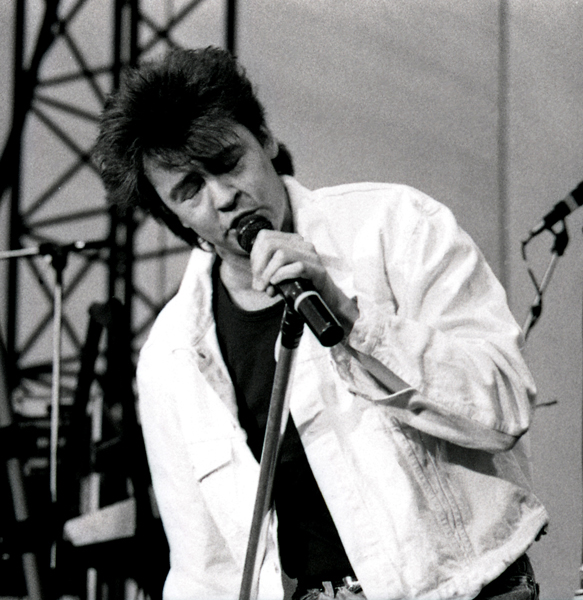
That Voice Never Hurries
The casual fan remembers the immaculate 1980s hits; what they often miss is the seasoned soul singer underneath the sharp suit.
Music
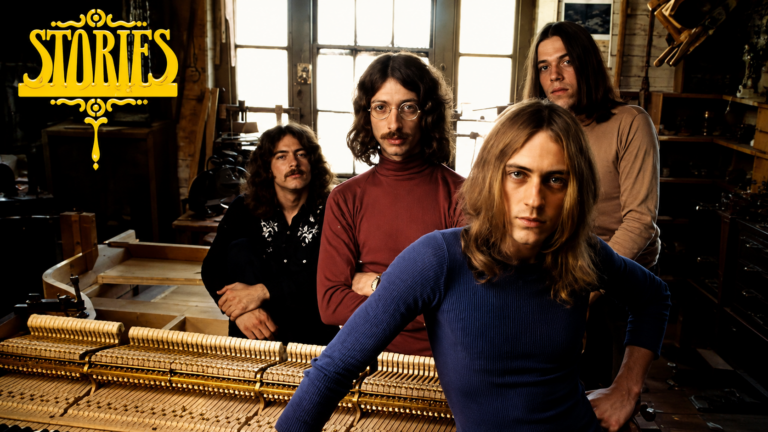
A Summer Chart Climb and One Unforgettable Hook
As "Brother Louie" climbed toward the top of the American charts in late summer 1973, listeners were locking into a record that…