Why Duran Duran Still Sparkle
From Birmingham clubs to MTV superstardom, Duran Duran turned style, melody and ambition into one of pop's most enduring success stories. Their hits still bring glamour, emotion and pure excitement to classic hits radio today.
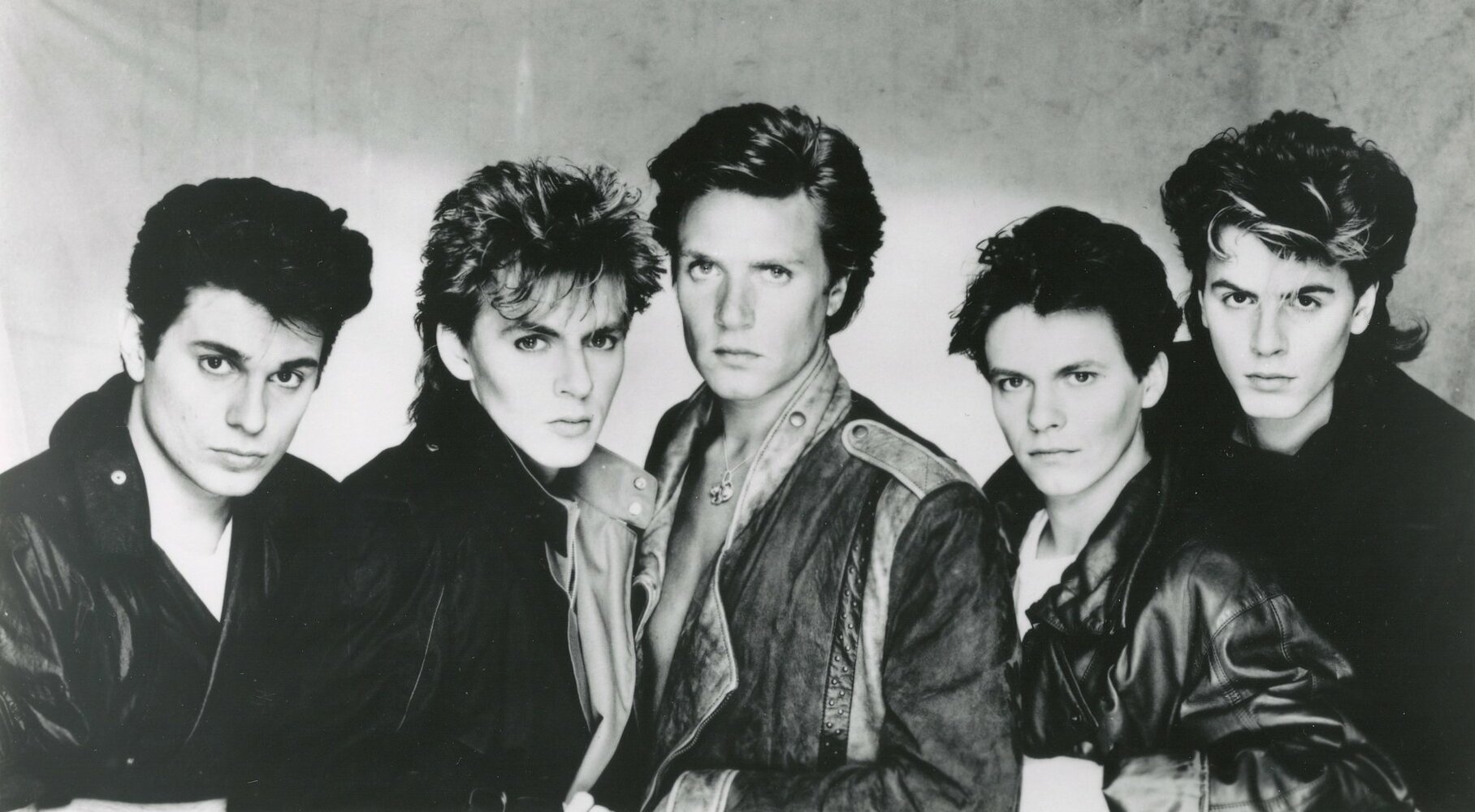
Few bands captured the flash, ambition and sheer excitement of the early 1980s quite like Duran Duran. They arrived with sharp suits, restless energy and songs that seemed built for both the dance floor and daydreaming. Yet behind the glamorous image was a group of determined young musicians from Birmingham, England, who worked hard, thought visually and understood exactly how pop could feel modern without losing melody.
For classic hits radio listeners, Duran Duran remain far more than a stylish memory. Their records still leap out of the speakers with colour and movement, from the nighttime pulse of Hungry Like the Wolf to the elegant sweep of Save a Prayer. Their music carries nostalgia, certainly, but it also has craft, personality and a surprising emotional depth that keeps it fresh.
From Birmingham clubs to big ambitions
Duran Duran were formed in Birmingham in 1978, a city with a strong industrial identity and a lively music scene. The original spark came from bassist John Taylor and keyboard player Nick Rhodes, two friends with a shared fascination for fashion, art and music that felt adventurous. The band took its name from the villain Dr. Durand Durand in the 1968 science-fiction film Barbarella, an early clue that they were drawn to glamour, fantasy and a touch of cinema.
Before the world knew them as chart stars, they were young musicians learning their trade in clubs and bars. Birmingham’s famous Rum Runner nightclub became central to their story. It was more than a venue; it was a creative base. The band rehearsed there, worked there and absorbed the atmosphere of nightlife, style and performance. That setting helped shape the group’s identity. Duran Duran were never simply about songs in isolation. They were about presentation, mood and the full experience of pop.
The classic line-up came together with Simon Le Bon on vocals, John Taylor on bass, Nick Rhodes on keyboards, Andy Taylor on guitar and Roger Taylor on drums. Despite sharing a surname, the three Taylors were not related, a detail that has surprised many fans over the years. Each member brought something distinctive. Simon Le Bon added charisma and a dramatic vocal style. Andy Taylor delivered muscular guitar lines that gave the music rock power. Roger Taylor’s drumming was crisp and driving, while John Taylor and Nick Rhodes built the sleek rhythmic and electronic framework that became a Duran Duran trademark.
Their influences were broad and smartly chosen. They admired the art-school imagination of David Bowie and Roxy Music, the danceable pulse of disco, the urgency of punk and the cool textures of electronic music. That blend helped them create songs that sounded polished yet alive, stylish yet accessible.
The breakthrough that changed everything
Duran Duran’s self-titled debut album arrived in 1981 and introduced the world to a band with a clear visual and musical identity. Songs like Girls on Film and Planet Earth made an immediate impression. Girls on Film in particular became a talking point thanks to its provocative video, but the song itself was the real hook: tight, funky, catchy and unmistakably modern.
Still, it was their second album, Rio, that truly turned them into international stars. Released in 1982, it was packed with songs that would become permanent fixtures of the classic hits era. Hungry Like the Wolf, Rio, Save a Prayer and The Chauffeur showed just how wide their range could be. There was urgency, romance, mystery and dance-floor sparkle, all wrapped in immaculate production.
One of the most important elements in their rise was television. Duran Duran understood early that music videos were not just promotional clips; they were part of the art. At the dawn of MTV, that insight was priceless. Their videos looked luxurious, cinematic and exotic, often filmed in glamorous locations such as Sri Lanka, Antigua and the Caribbean. Viewers did not just hear Duran Duran; they entered their world.
That was the breakthrough moment: the band met the moment when pop music became visual on a grand scale. Many artists benefited from MTV, but few used it as effectively as Duran Duran. They became symbols of the era without ever sounding disposable.
John Taylor once neatly summed up part of their appeal by saying the band wanted to combine “the energy of punk with the chic of disco.” It was a perfect description of what made them stand out.
Success came quickly. The screaming fans, magazine covers and sold-out tours soon led to the label teen idols, something the band sometimes found limiting. Beneath the hysteria, they were serious musicians with a strong sense of arrangement and atmosphere. Their challenge was to prove they were more than a phenomenon, and they did just that by continuing to evolve.
The songs that made their name
Duran Duran built a catalogue full of radio favourites, and several songs have become part of the shared memory of classic hits listeners.
- Hungry Like the Wolf – A thrilling rush of rhythm, suspense and pop instinct. Simon Le Bon’s vocal teases and pounces, while the groove gives the song its unstoppable momentum.
- Rio – Bright, playful and gloriously confident. John Taylor’s bass line is often singled out by musicians as one of the finest in pop, and the whole track feels sunlit and celebratory.
- Save a Prayer – Dreamy and romantic, with a sense of longing that gave the band emotional depth beyond the dance floor.
- Girls on Film – Sharp, stylish and impossible to ignore, it announced Duran Duran as a band with attitude and precision.
- Ordinary World – A major comeback hit from 1993, tender and reflective, showing a more mature side of the group.
- Come Undone – Atmospheric and intimate, another reminder that Duran Duran could do vulnerability as beautifully as glamour.
- A View to a Kill – Their James Bond theme, dramatic and sleek, remains the only Bond title song to reach number one on the US chart.
- Notorious – Funkier and leaner, it proved the band could reinvent themselves after line-up changes.
What is striking when you revisit these songs is how well they are built. The hooks are immediate, but there is always detail underneath: inventive bass playing, shimmering keyboard textures, sharp rhythmic turns and a sense of space that gives the records elegance.
Behind the image, a band with real musical chemistry
It would have been easy for critics to dismiss Duran Duran as all style, but that never told the full story. Their music worked because the band members had strong chemistry and a clear understanding of contrast. They could put a tough rhythm section under a silky melody. They could balance technology with human energy. They could sound sophisticated without losing pop instinct.
Nick Rhodes was especially important in shaping the band’s atmosphere. His keyboards added gloss, mystery and drama, often giving songs their distinctive glow. John Taylor’s bass playing brought funk and movement, helping Duran Duran stand apart from many of their pop contemporaries. Andy Taylor added bite and power on guitar, while Roger Taylor’s drumming kept everything taut and propulsive.
And then there was Simon Le Bon, whose voice could be theatrical, seductive and vulnerable, sometimes all within the same song. He gave Duran Duran a sense of personality that was larger than life, yet never too distant to connect.
The band’s style has often been linked to the New Romantic movement, but that label only tells part of the story. Yes, they embraced fashion and visual flair. But musically, they drew from funk, rock, synth-pop, dance music and art-pop. That is one reason their records still hold up. They were never trapped in one narrow lane.
Setbacks, reinventions and a remarkable second act
Like many major bands, Duran Duran faced internal changes and shifting musical trends. By the mid-1980s, fame had become intense, and the original line-up began to fracture. Andy Taylor and Roger Taylor both left, while the remaining members pressed on. Side projects followed too, including the Power Station and Arcadia, showing how creatively restless they were.
Some bands fade quietly after their first burst of success. Duran Duran did not. They regrouped, adapted and kept making records. In 1986, Notorious signalled a new chapter with a more streamlined, funk-driven sound. Then, in the early 1990s, when many assumed their biggest days were behind them, they returned in spectacular fashion with Ordinary World and Come Undone. Those songs reintroduced them to a new generation while reminding long-time fans just how strong their songwriting could be.
That comeback matters to their legacy. It showed that Duran Duran were not just a band tied to one moment of youthful glamour. They had resilience, emotional range and staying power.
Lesser-known stories and memorable details
One of the enduring myths around Duran Duran is that they were manufactured for fame. In reality, they were deeply involved in shaping their own image and sound. They were ambitious, certainly, but ambition is not the same as artificiality. They knew what they wanted and pursued it with unusual clarity.
There are plenty of colourful stories in their history. Simon Le Bon survived a dramatic yacht racing accident in 1985 when his boat capsized during the Fastnet Race. He and the crew were trapped for a time before being rescued, a frightening episode that only added to the sense that Duran Duran lived larger-than-life lives even away from the stage.
Another fascinating detail is just how respected John Taylor is among bass players. While casual listeners may first remember the haircuts and videos, musicians often point to his inventive, melodic bass work as a key part of the band’s brilliance. Listen closely to Rio or Girls on Film and you can hear why.
The Bond connection is another jewel in their story. When Duran Duran recorded A View to a Kill for the 1985 James Bond film of the same name, they joined a very select club. The song had all the drama the franchise demanded, but it also sounded unmistakably like them: sleek, urgent and glamorous.
Nick Rhodes once observed that Duran Duran always wanted to create “fantasy with a sense of reality.” That idea runs through their whole career: escapism, yes, but always grounded by musicianship and feeling.
Why they still matter on classic hits radio
Duran Duran fit classic hits radio beautifully because they represent something listeners still value: songs with personality. Their records are instantly recognisable within a few seconds. A keyboard flourish, a bass line, Simon Le Bon’s voice, that polished but energetic production — it all adds up to a signature sound.
They also bridge different moods. Need a burst of excitement? Hungry Like the Wolf delivers. Want something reflective and romantic? Save a Prayer or Ordinary World can stop you in your tracks. Looking for pure pop exhilaration? Rio still feels like a celebration in motion.
For listeners who lived through the 1980s, Duran Duran bring back the thrill of seeing music become more cinematic, stylish and global. For younger listeners discovering them through radio, streaming or family playlists, the songs still feel immediate because the melodies are so strong and the performances so alive.
Most importantly, Duran Duran remind us that pop can be clever without being cold, glamorous without being empty, and massively popular without losing its artistic spark. That is a rare balance, and it is why their music has lasted.
A band still glowing
Decades after their breakthrough, Duran Duran remain one of the defining names of the classic hits era. They gave pop music a sense of occasion. They made records that looked beyond the studio walls and imagined a bigger, brighter world. Yet underneath the polish were discipline, imagination and a genuine love of music.
That is why their songs still sound so good on the radio today. They carry memories, but they also carry motion. They shimmer, they pulse, they soar. And every time one of those familiar intros begins, Duran Duran do what they have always done best: they make the ordinary feel a little more electric.