
Just played
Archive
Retro Lifestyle
The places, routines, trends and everyday memories that made growing up feel different.

Retro Lifestyle
The Buzz of the Alarm Clock at 6:30
Monday used to begin with a buzz, a brew, and a bus ride soundtrack you chose yourself.
Retro Lifestyle
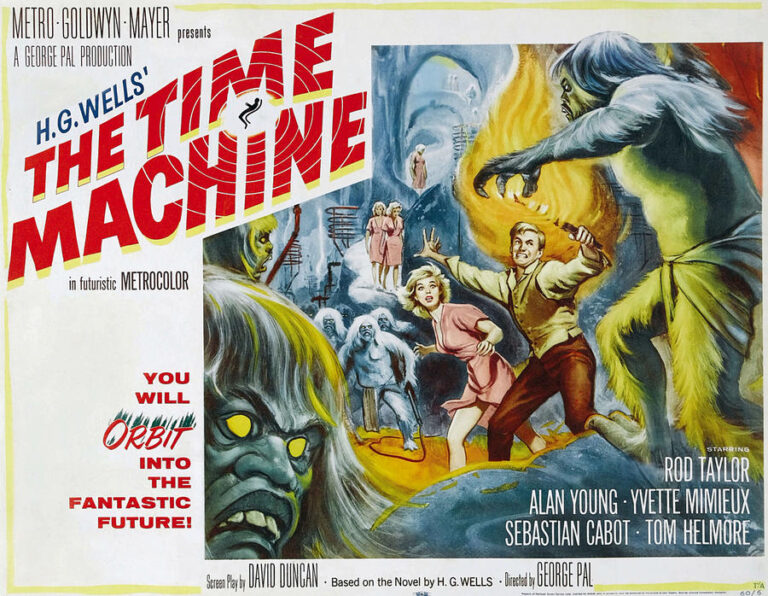
A Ride Worth Taking
Here's what made The Time Machine such an enduring favourite: dazzling imagination, a wonderfully elegant design, and the kind of cinematic wonder…
Retro Lifestyle
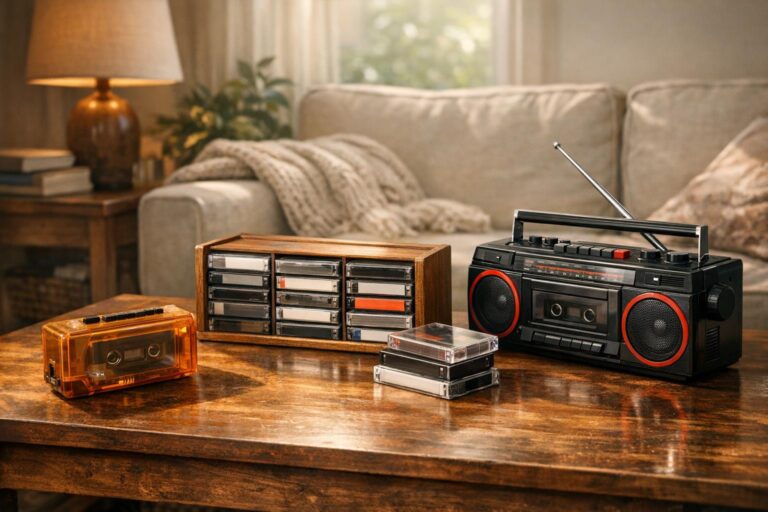
A Cassette Click, a Radio Dial, a Shelf of Tapes — Amazon Picks for Music and Retro Fans
A cassette door snaps shut, the radio dial glows, and a row of tapes waits on the shelf. These Amazon picks bring…
Retro Lifestyle
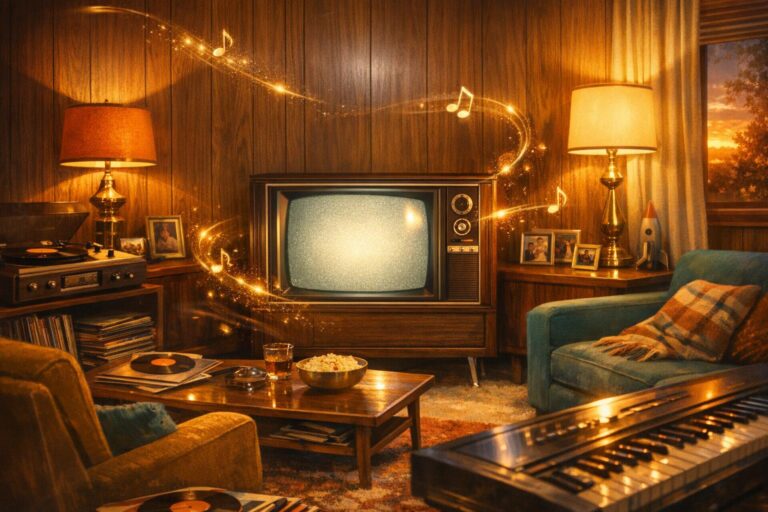
Play It Again, Prime Time
Just a few notes can send us straight back to the sofa, the snacks, and the glow of evening television. As retro…

Retro Lifestyle
Leather Jackets, Fast Cars — Television Heroes Who Made Cool Look Effortless
Cool was never this gloriously over-dressed.

Retro Lifestyle
Monday Motivation — turn it up and smile
Bad mood in, good mood out — these classics get the job done in seconds.
Retro Lifestyle
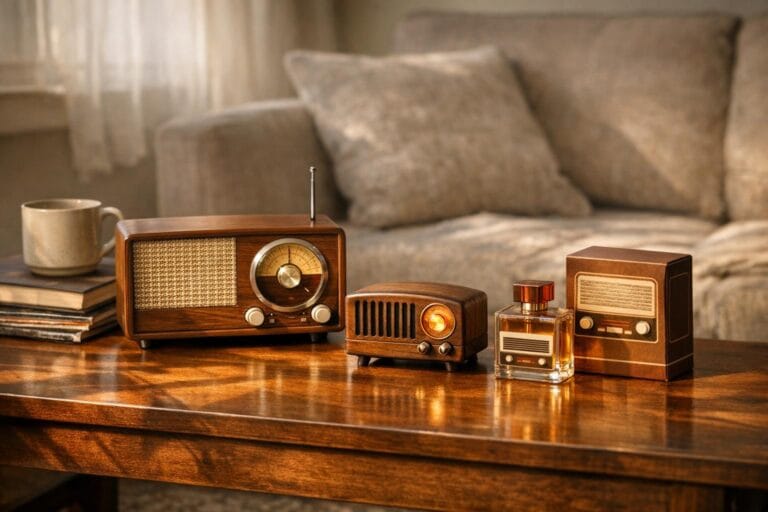
Warm Dials, Wood Cabinets, and a Spritz of Nostalgia
What most people miss about retro-themed buys is that the best ones do not just look nostalgic—they earn their place in daily…
Retro Lifestyle
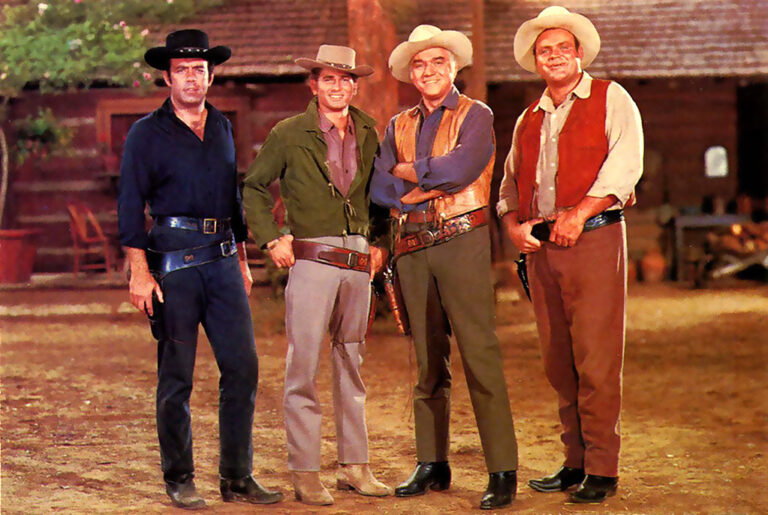
Still Riding High
The map bursts into flames, the theme gallops in, and suddenly you are back at the Ponderosa as if no time has…
Retro Lifestyle
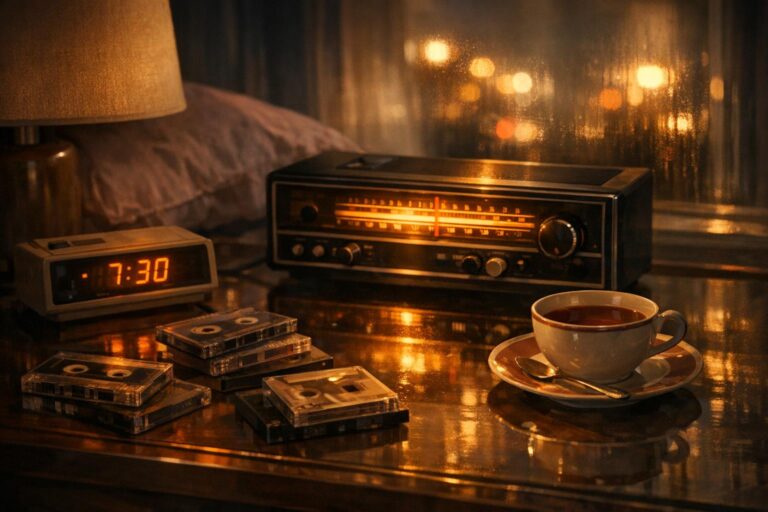
After Midnight, Turn It Up
At 12:17 a.m., with the street outside almost silent, a presenter let the intro run a little longer than usual and suddenly…
Retro Lifestyle
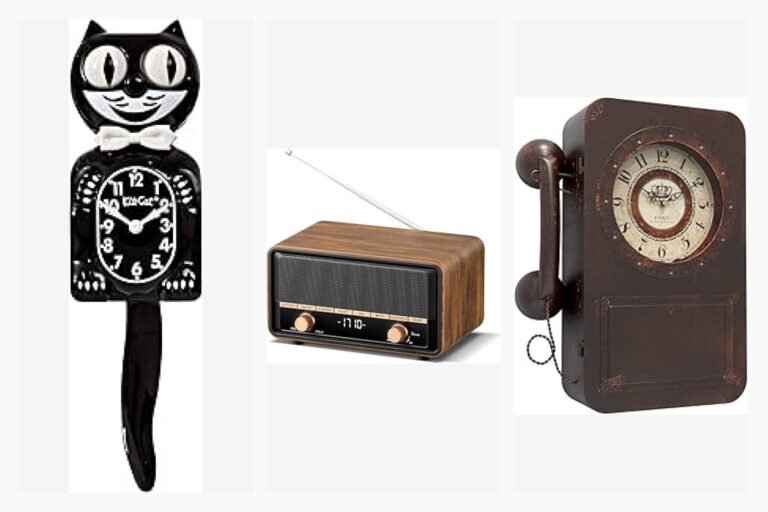
Walnut Dials and Swinging Tails
What most people miss about retro home gear is that the best pieces do not just look nostalgic; they earn their place…