
Just played
Archive
Music
Records, charts, one-hit wonders and the stories behind the songs we still play.
Music
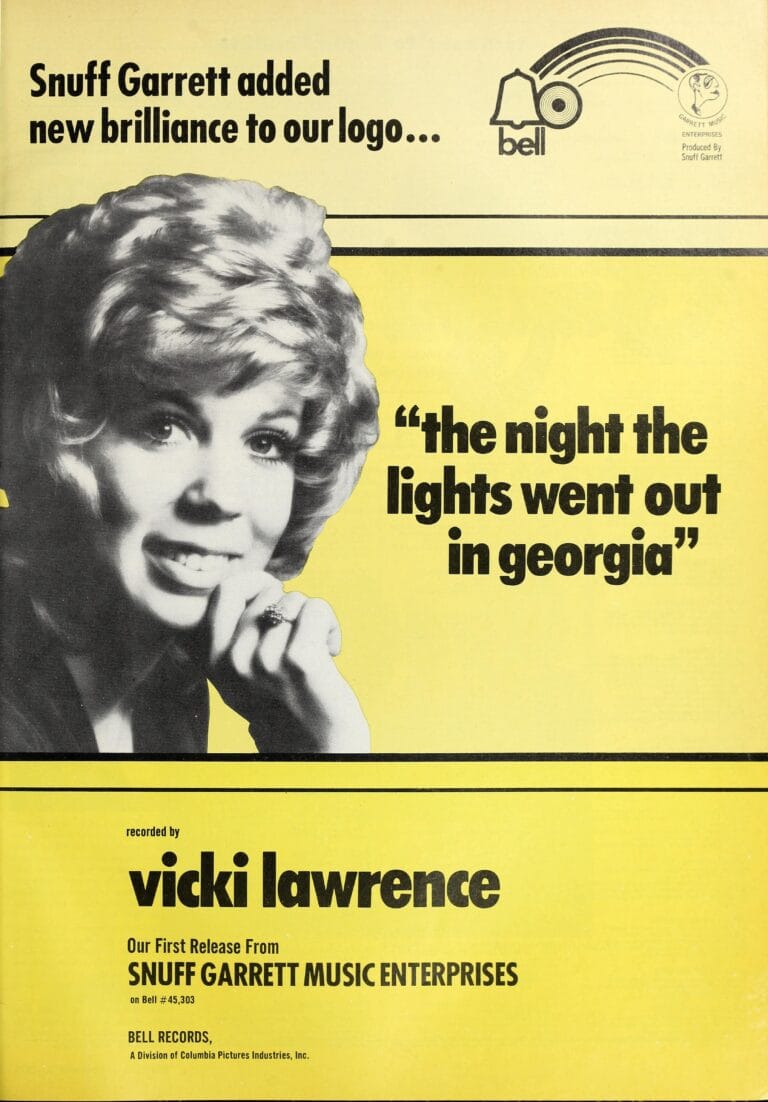
Murder, Moonlight, Radio Gold
Here's what made "The Night the Lights Went Out in Georgia" such irresistible radio: a killer twist, a cool-headed vocal, and a…
Music
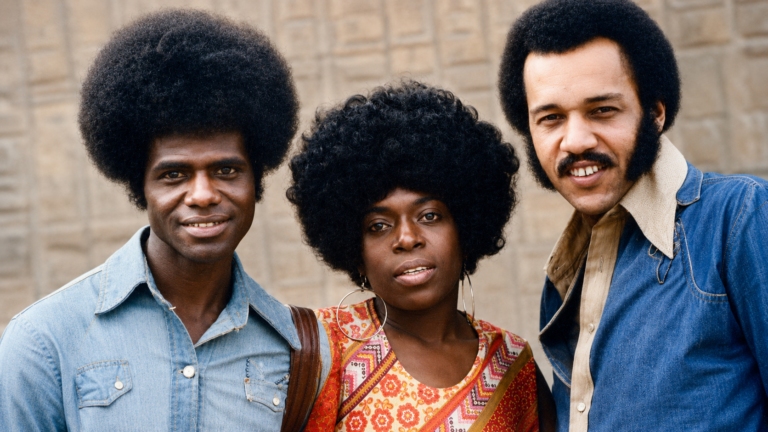
How Rock the Boat Became a Disco Landmark
A light, breezy hit on the surface, "Rock the Boat" was one of the records that quietly changed pop history.

Music
No More Tears turned two superstars into one unstoppable event
As the single surged up the charts in late 1979, listeners were hearing something deliciously rare: Barbra Streisand’s dramatic precision colliding with…

Music
That Voice Never Hurries
The casual fan remembers the immaculate 1980s hits; what they often miss is the seasoned soul singer underneath the sharp suit.
Music
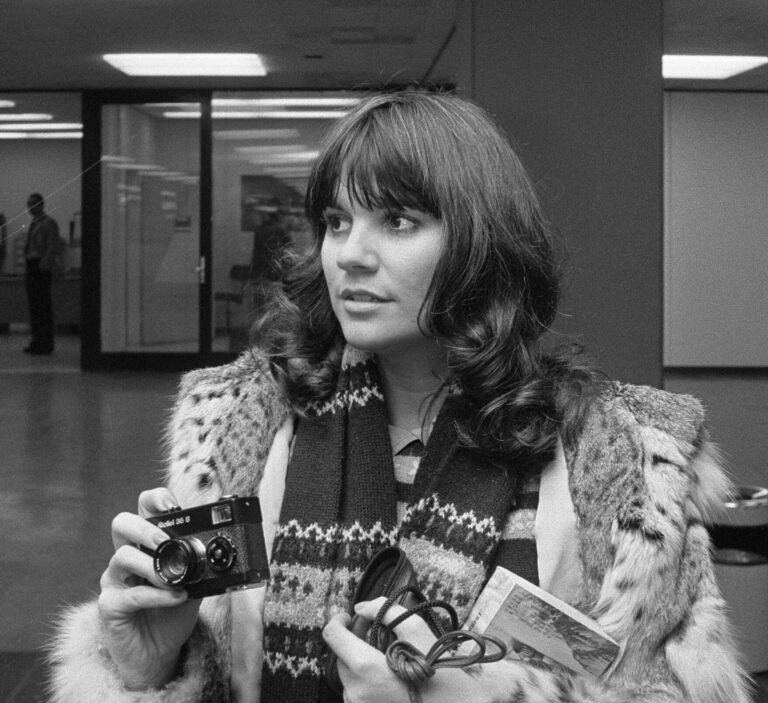
You’re No Good — the breakup anthem that made Linda Ronstadt unstoppable
By February 1975, “You’re No Good” was sitting at number one, but the magic had started earlier in the studio, where Linda…
Music
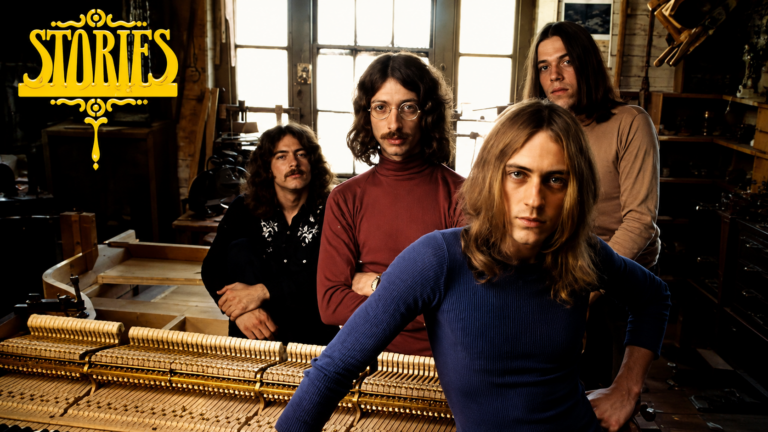
A Summer Chart Climb and One Unforgettable Hook
As "Brother Louie" climbed toward the top of the American charts in late summer 1973, listeners were locking into a record that…
Music
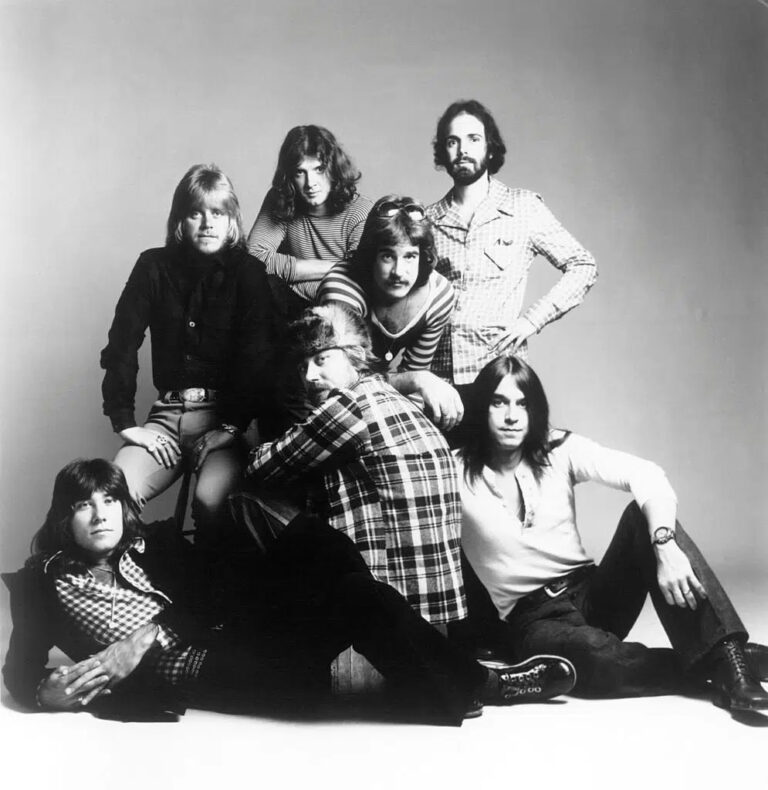
Chicago found a different kind of magic with If You Leave Me Now
Here's what made Chicago's If You Leave Me Now impossible to resist in 1976: a tender Peter Cetera ballad, immaculate production, and…
Music
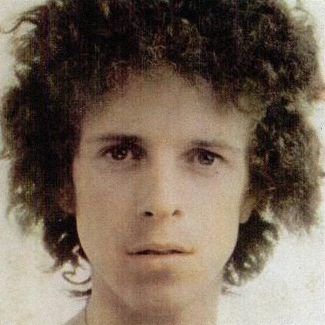
A telephone line, a tender chorus, and Leo Sayer’s 1977 triumph
Why does this ballad still stop listeners in their tracks on classic hits radio? “When I Need You” paired exquisite songwriting with…
Music
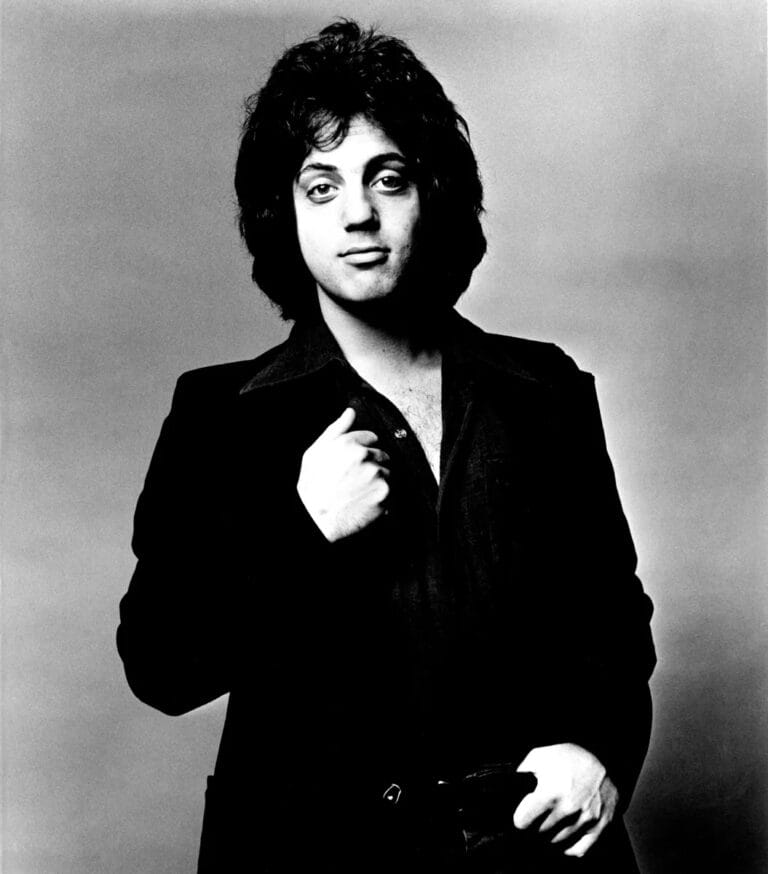
It’s Still Rock and Roll to Me on the Jukebox
A witty complaint became Billy Joel’s first number one—and one of the most durable records of the radio age.
Music
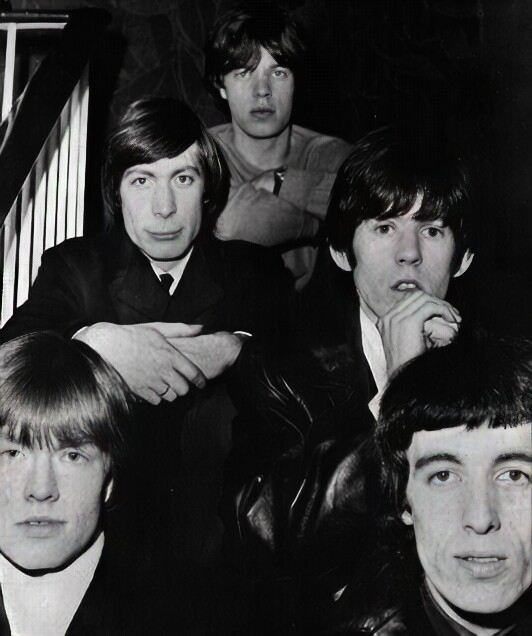
A Piano in the Dark and a Heartbreak on the Airwaves
A tender breakup ballad gave the world’s most dangerous rock band one of its most enduring number ones.